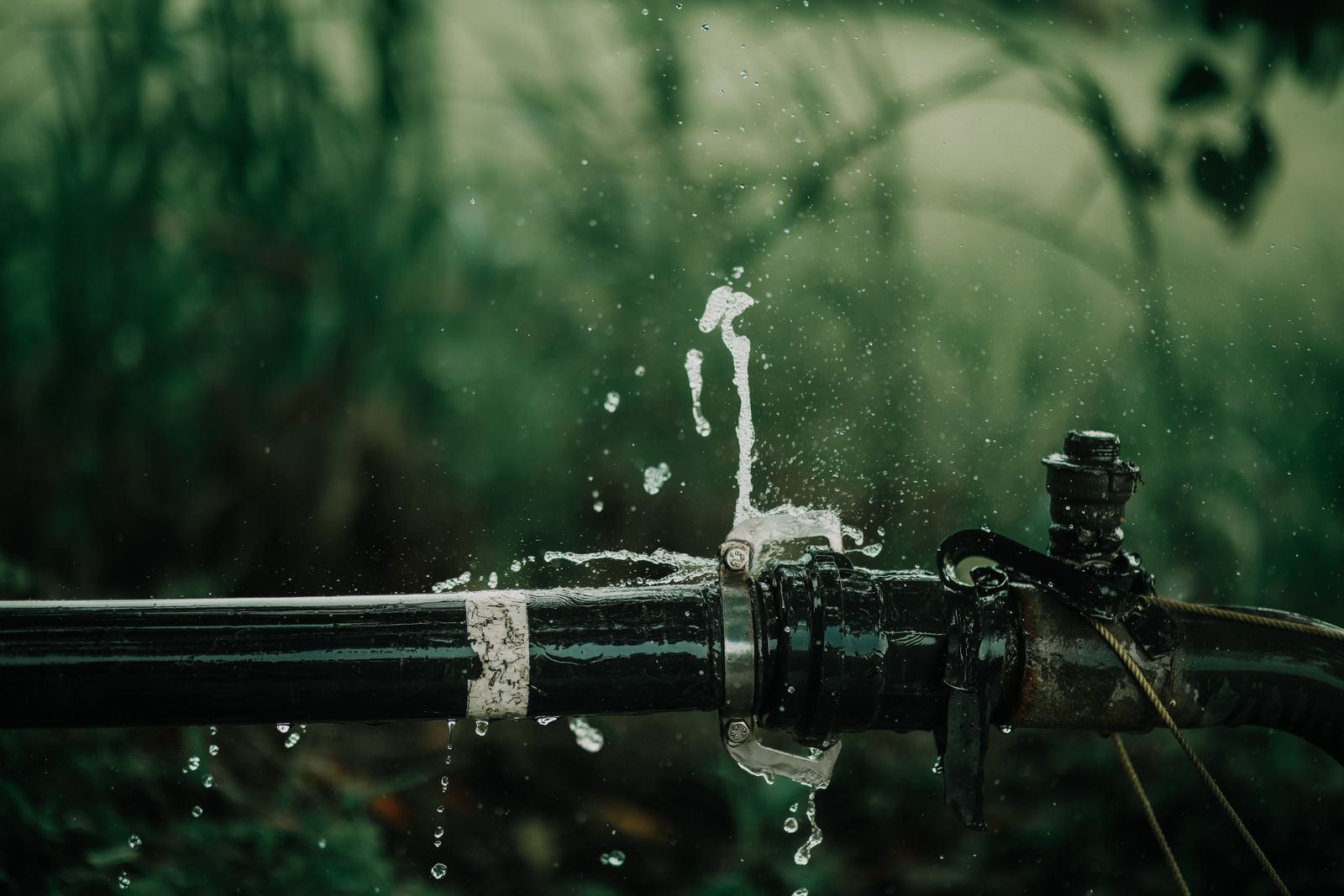
If a pipe has burst, turn off the water at the mains straight away, then switch off power to any wet area at the switchboard, but only if you can reach it while standing somewhere dry. Next, call a licensed plumber to fix the pipe, photograph the damage and start getting the water out. Clean water from a supply pipe is the easiest kind to recover from, as long as it’s removed and dried quickly.
Below are the seven steps to follow now, plus what to expect once the plumber has been.
Where is the water main and how do I turn it off?
In most Melbourne homes the main stopcock (shut-off valve) sits near the water meter, usually at the front boundary close to the footpath or driveway. It’s often under a small metal or plastic lid. Turn the tap clockwise until it stops.
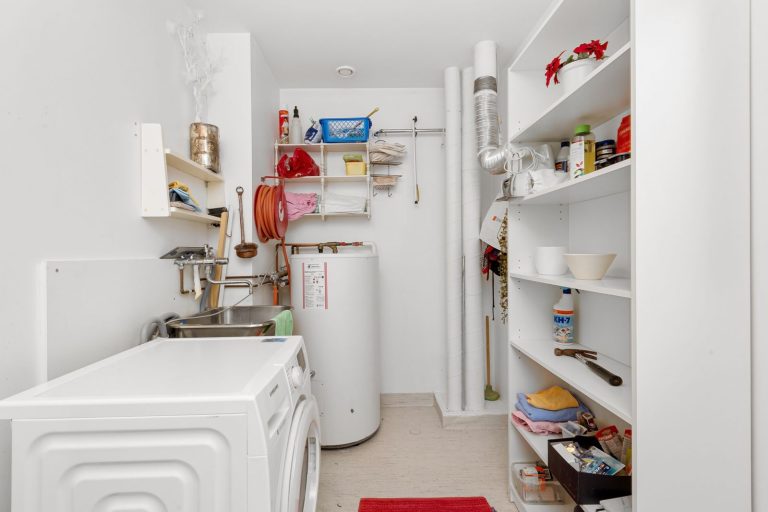
In apartments and townhouses, there may be a separate isolation valve inside, often in the laundry, kitchen cupboard or a service cupboard in the hallway. If you can’t find it, call your building manager or owners corporation.
Tip: Once the water is off, open a cold tap at the lowest point of the house to drain the pipes and take pressure off the break.
The 7 steps to take right now
- Turn off the water at the mains. This is the single most important step.
- Make the electrics safe. If water is near power points, lights or appliances, switch off those circuits at the switchboard from a dry spot. If you can’t do that safely, leave it and call an electrician.
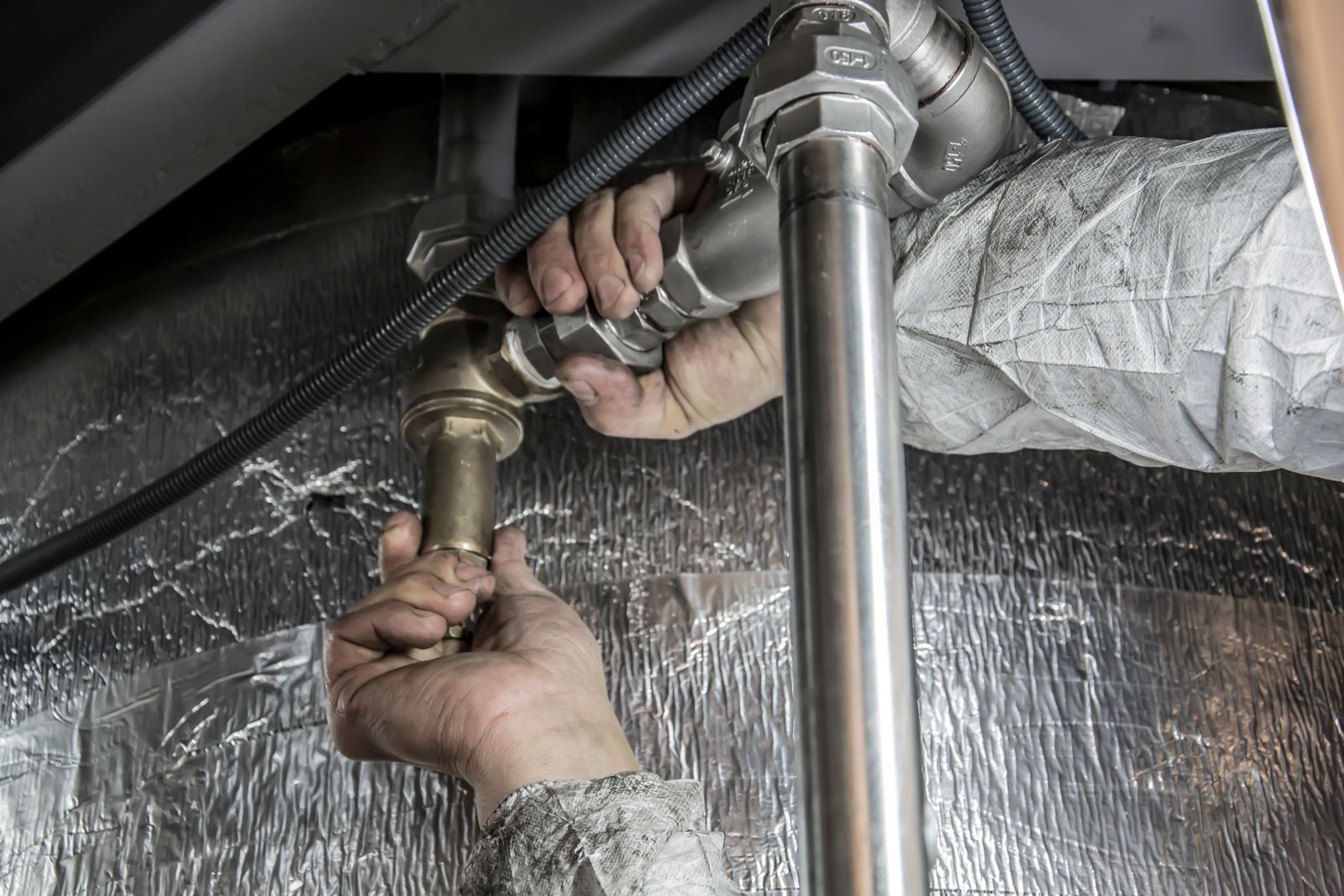
- Call a licensed plumber. They’ll repair or cap the pipe. Ask them to note the cause on their invoice, because your insurer will want to know.
- Photograph everything. Take wide shots of each room, close-ups of the damaged pipe, and short videos of any water still running or pooling.
- Move what you can. Lift rugs, electronics, books and boxes off the floor. Put blocks or foil under timber furniture legs.
- Soak up and contain. Towels and buckets help with the surface water you can see. Don’t use a household vacuum.
- Call your insurer and arrange extraction. Report the claim early, then get the remaining water out of carpet, underlay and floor coverings with proper equipment.
What damage can a burst pipe cause?
The visible puddle is usually the smallest part of the problem. Water from a burst pipe tends to travel:
- Into wall cavities, where it soaks the bottom of plasterboard and timber framing
- Under floating, laminate and hybrid floors, where it can sit unseen
- Into carpet underlay, which holds far more water than the carpet itself
- Through ceilings, if the pipe is upstairs or in the roof space
- Into kitchen and bathroom cabinets made of particleboard, which swells when wet
If water is dripping from above, read water coming through the ceiling before you go into that room. A wet ceiling can be heavy and may come down.
Is burst pipe water dangerous?
Water from a burst supply pipe is generally treated as clean water (Category 1). That’s good news: carpet and most materials can often be dried and kept.
It doesn’t stay clean forever, though. If it sits for a day or two, it picks up dirt and bacteria from floors and building materials and becomes more of a hygiene concern. In damp conditions, mould can start within 24 to 48 hours.
If the burst was on a waste or drain pipe, or the water has mixed with sewage, treat it as contaminated and keep people away from it.
Will my insurance cover a burst pipe?
Many home and contents policies include sudden “escape of liquid” from a burst pipe, but not every policy covers the same things. The cost of fixing the pipe itself is sometimes treated differently to the damage the water caused. Slow leaks that have gone on for weeks may be excluded.
Check your Product Disclosure Statement (PDS) and call your insurer before major work starts. Keep the plumber’s report, your photos and any receipts. Our guide on whether home insurance covers water damage explains what to ask.
What happens after the plumber leaves?
Once the pipe is fixed, the house still needs to be dried properly. This is where many burst pipe claims go wrong: the carpet feels dry after a few days, but the wall framing, subfloor or underlay is still wet. That trapped moisture can lead to musty smells, swollen skirting and mould later.
Proper drying usually involves extracting water from carpet and underlay, setting up air movers and dehumidifiers, and checking moisture levels with meters on each visit. Most drying jobs take around 3 to 5 days, longer for slabs and timber floors. We explain the timeline in how long it takes to dry a water-damaged house.
When to call a professional
A small leak under a sink that’s caught early and only wet a cupboard floor is often manageable yourself: dry it, leave the doors open and keep an eye on it.
Call a professional when:
- Water has spread across carpet or under a floating floor
- Walls, skirting or ceilings are wet
- The pipe burst while you were away and water sat for hours or days
- You can smell mustiness or see swelling
- You need moisture readings and a drying report for your insurer
FRS offers 24/7 burst pipe water extraction across Melbourne, followed by structural drying to bring walls and floors back to normal moisture levels. We use moisture meters and thermal imaging to track where the water went, record readings and photos for your claim, and give you a written scope and price before any major work.
A burst pipe feels like a plumbing problem, but most of the cost comes from water left behind. If the pipe is fixed and you’re unsure how far the water spread, call us any time or request a call back using the form below.
Frequently asked questions
Can I use a wet vac to clean up after a burst pipe?
A wet vac is fine for small amounts of surface water on hard floors. It won’t pull water out of carpet underlay, wall cavities or under floating floors, which is where most of the damage hides. For anything more than a small spill, extraction equipment and moisture readings are needed.
Should I pull up the wet carpet myself?
Usually not. Carpet soaked with clean water can often be dried in place, and pulling it up can stretch or damage it. Take photos and leave it for your insurer or restorer to assess.
How do I know if water got inside the walls?
Look for swelling or bubbling paint on skirting and the bottom of walls, and a damp or musty smell. The only reliable check is with a moisture meter or thermal imaging camera, which can show wet areas you can’t see or feel.