Flood and water damage advice from the people who dry it out
Straight answers for the moment water gets where it shouldn’t: what to do first, what insurance usually covers, what can be saved and when to call for help.
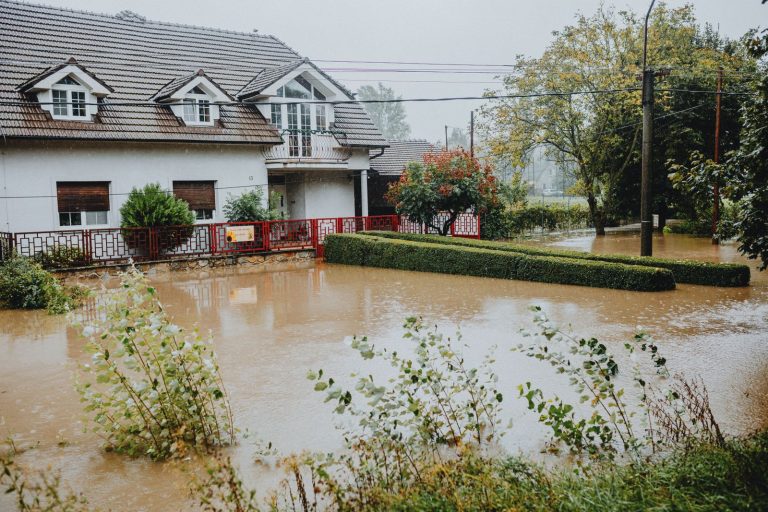
House Flooded? What to Do in the First 24 Hours to Limit the Damage
Water inside the house? Start with safety, then stop the water, document everything and get it out fast. Here's a calm, practical plan for the first day.
Read the guide →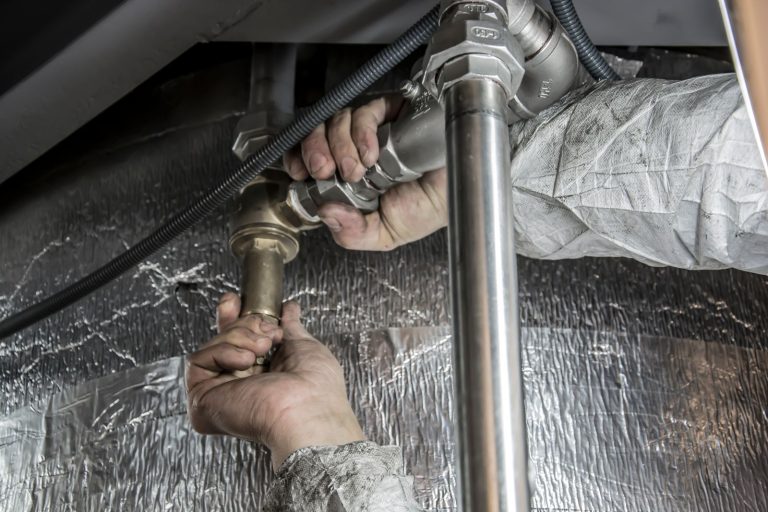
Burst Pipe at Home: 7 Steps to Limit the Damage Before Help Arrives
Water spraying or pooling from a burst pipe? Turn off the mains first, then follow these seven steps to protect your home, your belongings and your claim.
Read the guide →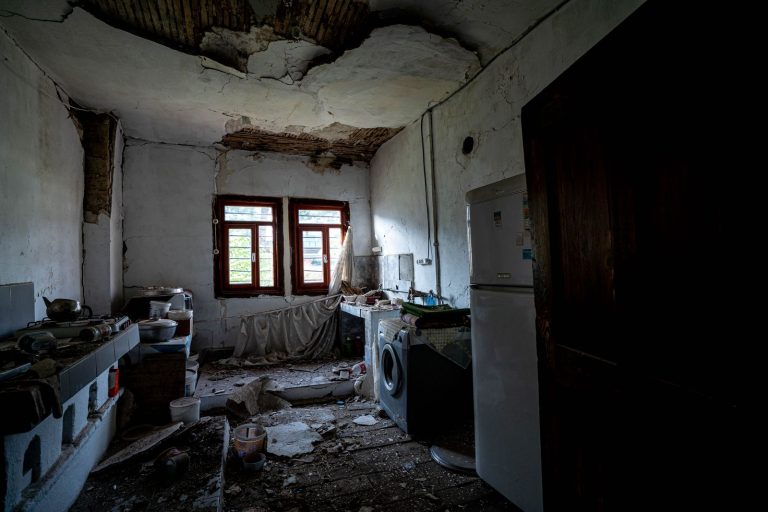
Water Coming Through the Ceiling: What It Means and What to Do Now
A drip, a stain or a bulging ceiling all need a quick response. Here's how to stay safe, work out where the water is coming from and limit the damage.
Read the guide →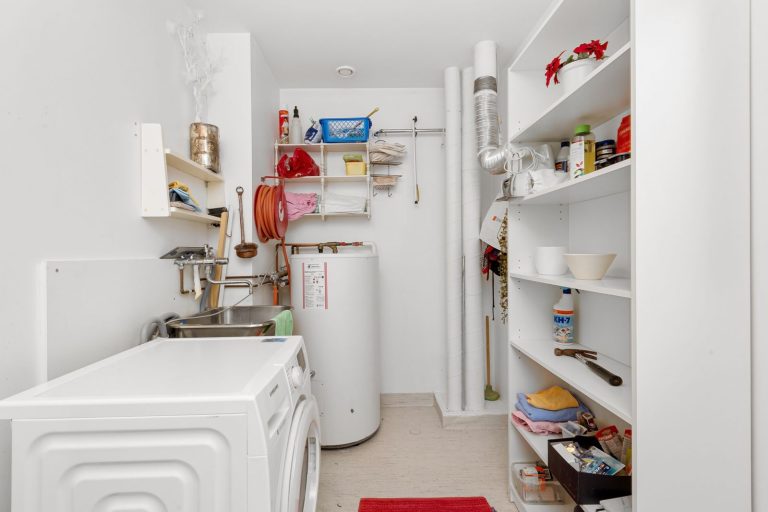
Hot Water System Leaking or Burst: Emergency Steps and Damage Risks
A leaking hot water system can be a harmless drip or a failed tank. Here's how to shut it off safely, avoid burns and protect the floors and walls around it.
Read the guide →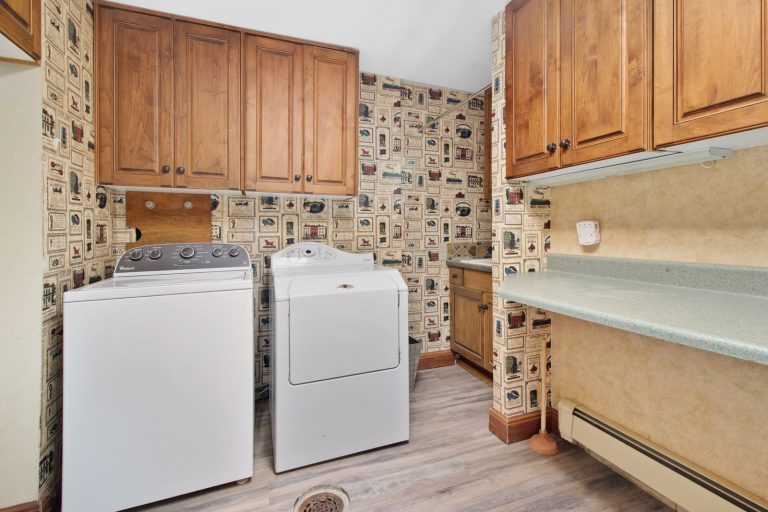
Washing Machine Flooded the Laundry? How to Clean Up and Dry It Properly
A washing machine overflow can wet more than the laundry floor. Here's how to stop it, clean up safely and dry nearby carpet, floors and cabinets properly.
Read the guide →
Storm Damage and Roof Leaks: Make-Safe Steps and Who to Call
Wind and heavy rain can damage a roof without warning. Here's how to protect the inside of your home, who to call during a storm and what a make-safe covers.
Read the guide →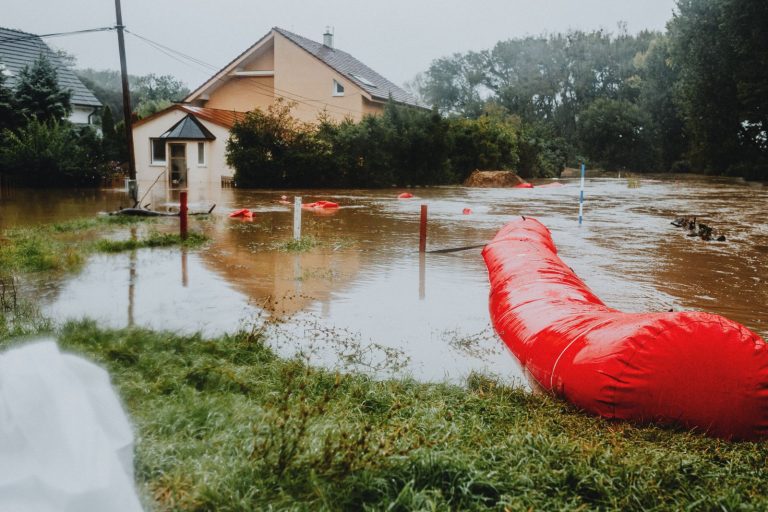
Is It Safe to Stay in Your House After Water Damage or a Flood?
Staying put isn't always the right call after water damage. Here's how to judge the risks from power, contaminated water and mould, and who should leave first.
Read the guide →
What Happens During a 24/7 Water Damage Call-Out, Step by Step
Never called a water damage company before? Here's what happens on an emergency call-out, from the first phone call to drying checks and the final report.
Read the guide →
How Much Does Water Damage Restoration Cost? What Drives the Price
There's no single price for water damage restoration. Here's what actually drives the cost, how to read a quote and how acting early keeps the bill down.
Read the guide →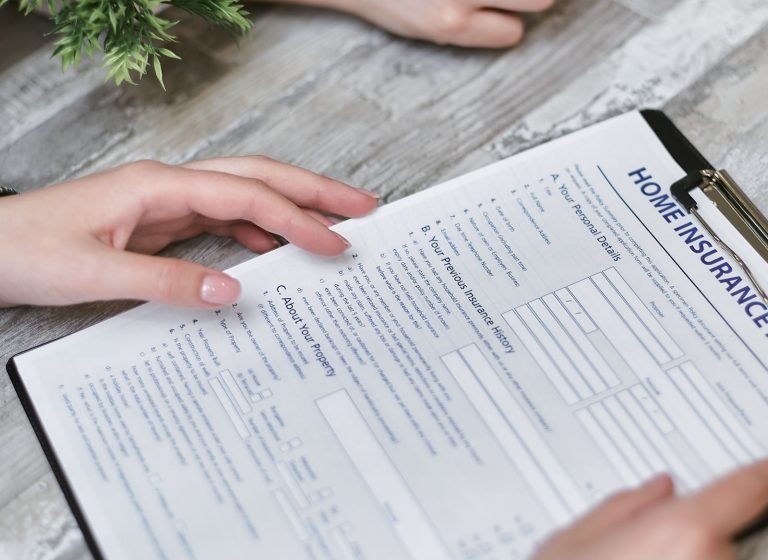
Does Home Insurance Cover Water Damage? Burst Pipes, Leaks and Floods
Whether insurance pays for water damage depends on where the water came from and how fast it happened. Here's what's often covered, what isn't and what to ask.
Read the guide →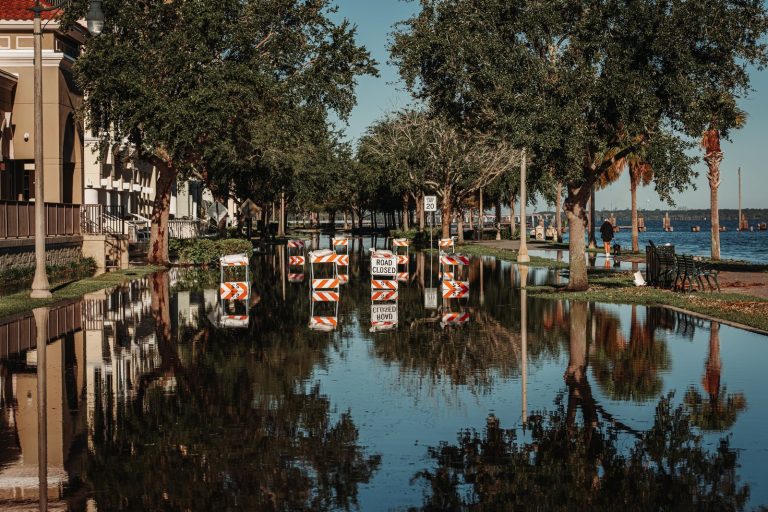
Flood vs Storm vs Escape of Liquid: Why the Wording Matters for Your Claim
Insurers treat flood, storm and escape of liquid differently. Here's what each term usually means, why it matters for your claim, and what to record while the water is still there.
Read the guide →
Water Damage Insurance Claims: Photos, Reports and Mistakes to Avoid
A practical guide to lodging a water damage claim: the photos to take, the paperwork insurers usually ask for, what not to throw out, and the mistakes that cause delays.
Read the guide →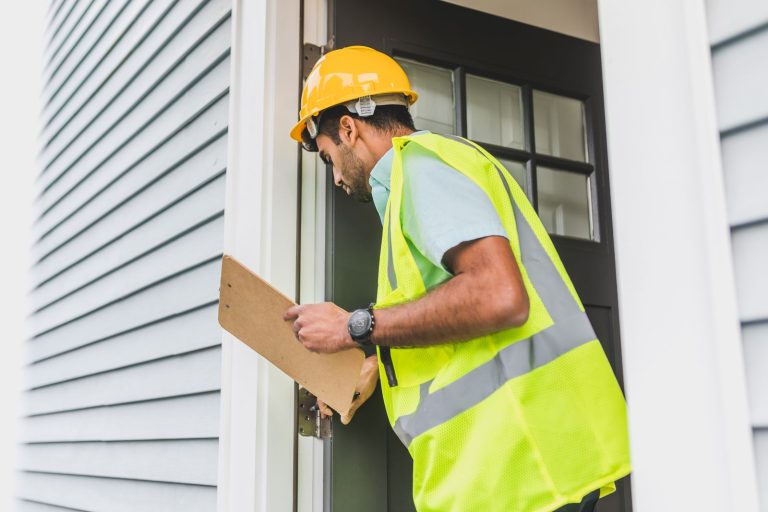
Should You Wait for the Insurance Assessor Before Drying Out?
Emergency drying usually shouldn't wait for the assessor. Here's how to stop further damage, keep the evidence your insurer needs, and avoid starting work they haven't agreed to.
Read the guide →
Renting and Your Place Floods: What Tenants in Victoria Should Do
A burst pipe or leak in a rental is stressful. Here's what Victorian renters should do first, who's usually responsible for what, and how to protect your belongings and your bond.
Read the guide →
How to Choose a Water Damage Restoration Company: Questions to Ask
When water's on the floor it's tempting to book the first number you find. These questions help you choose a restorer who'll measure, document and dry the job properly.
Read the guide →
How Long Does It Take to Dry Out a Water-Damaged House?
Most professionally dried homes take around 3 to 5 days, but slabs, timber floors and dirty water can stretch that out. Here's what affects drying time and how you know it's finished.
Read the guide →
Can Wet Carpet Be Saved? When to Dry It and When to Replace It
Wet carpet can often be dried and kept, especially after a clean-water leak caught early. Here's how to tell whether yours can be saved, and when replacement is the safer call.
Read the guide →
Why Your Carpet Still Smells After Getting Wet (and How to Fix It)
A musty or sour smell from carpet after a leak usually means something underneath is still damp. Here's what causes it, what you can try, and when it needs professional treatment.
Read the guide →
Water-Damaged Timber Floors: Cupping, Crowning and Saving Them
Cupped or lifting floorboards after a leak don't always mean replacement. Here's what cupping and crowning mean, how timber floors are dried, and when they can be saved.
Read the guide →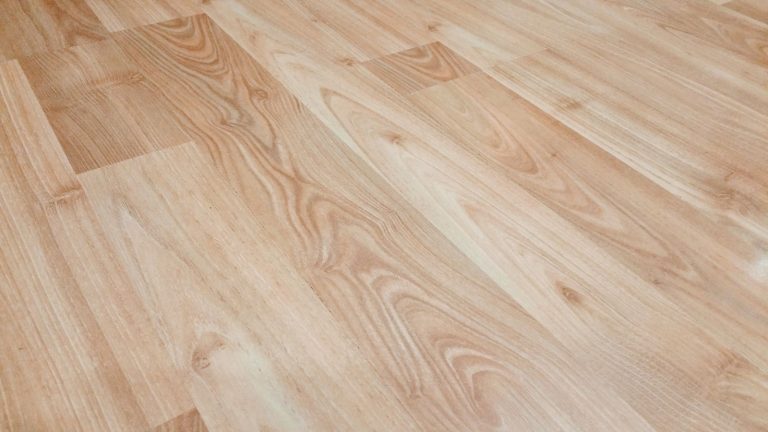
Water Under Laminate or Hybrid Flooring: Signs and What to Do
Water can spread a long way under laminate and hybrid floors without showing on top. Here's how to spot it, what to do first, and when the boards need lifting to dry…
Read the guide →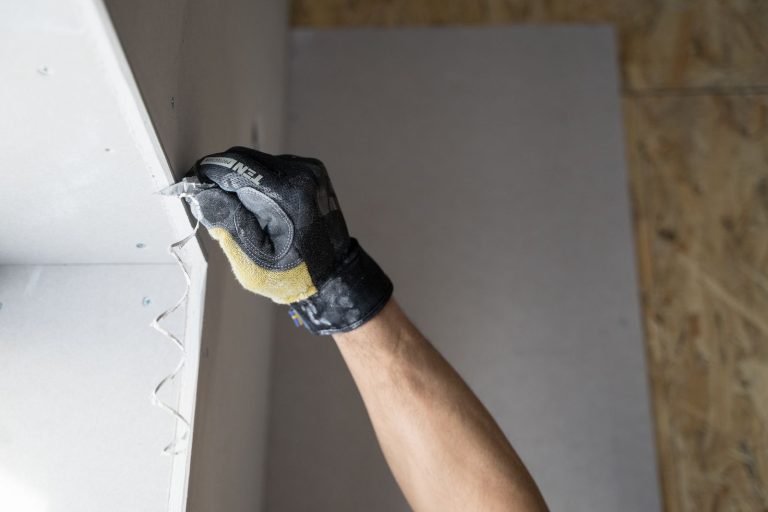
Wet Walls After a Leak: Can Plasterboard Be Dried or Must It Be Replaced?
Wet plasterboard isn't automatically a write-off. Here's how to tell whether your walls can be dried in place or need to be cut out and replaced.
Read the guide →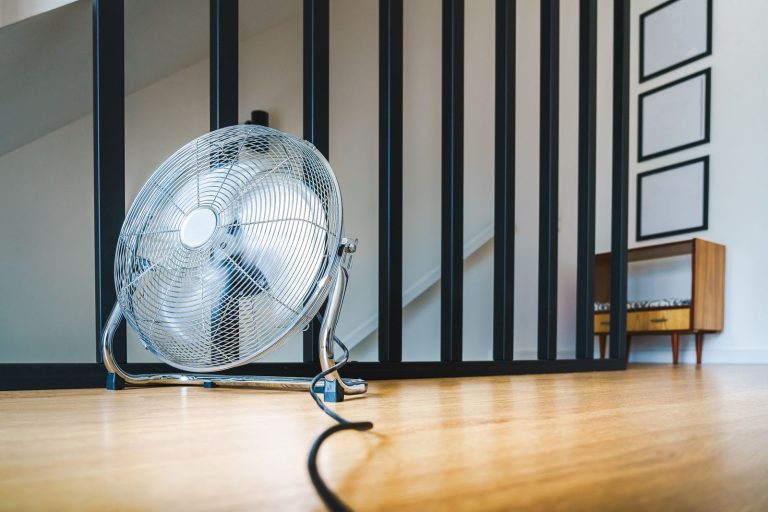
Hiring a Dehumidifier vs Professional Structural Drying: Which Do You Need?
A hired dehumidifier can handle a small, recent spill. Bigger or older leaks need measured drying. Here's how to tell which side of the line you're on.
Read the guide →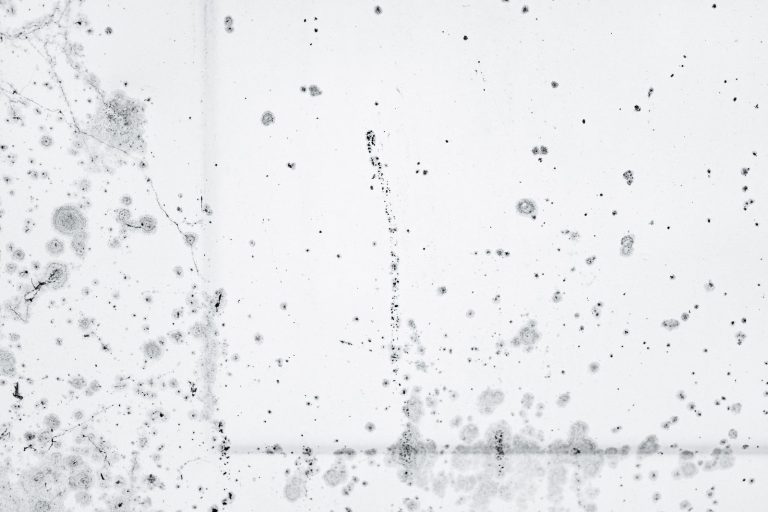
How Soon Does Mould Grow After Water Damage? What the First Days Mean
Mould can start growing within a day or two of a leak if things stay damp. Here's what affects that timeline and what you can do right now to get ahead of…
Read the guide →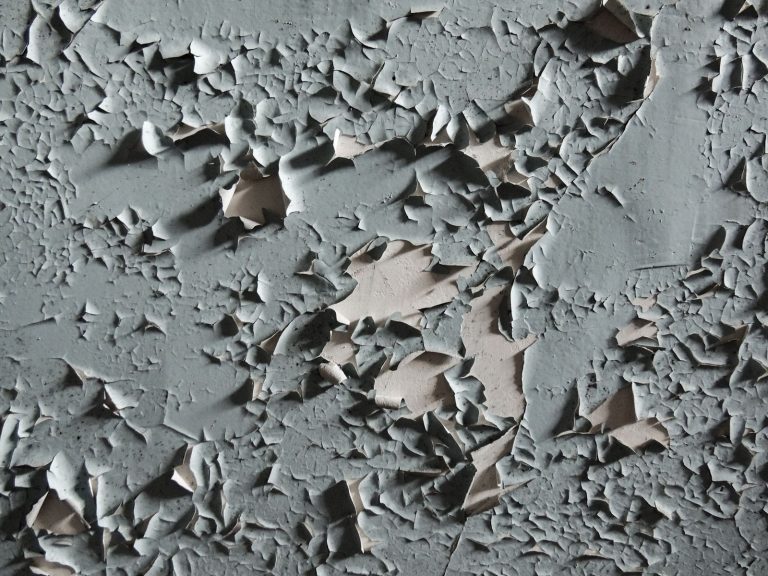
Black Mould on Walls After a Leak: Is It Dangerous and How Is It Removed?
Dark spots spreading across a wall after a leak usually mean moisture is still trapped inside. Here's what that mould means for your health and how it's properly removed.
Read the guide →
Does Bleach Kill Mould? Why DIY Mould Removal Often Fails
Bleach can lighten mould on tiles, but it rarely solves mould on walls, timber or carpet. Here's why DIY mould removal so often comes back, and what actually works.
Read the guide →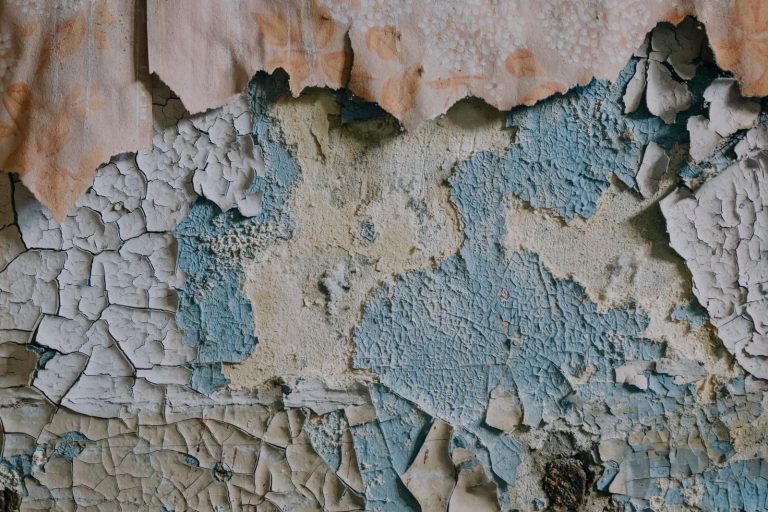
Musty Smell in the House? How to Find Hidden Water Damage Room by Room
That damp, earthy smell rarely comes from nowhere. Here's how to trace a musty odour back to hidden water damage, and how to get rid of it for good.
Read the guide →
Mould in a Rental Property in Victoria: Who Is Responsible and What to Do
Whether the landlord or the tenant fixes rental mould usually comes down to what caused it. Here's how to report it, what to record and where to check your rights.
Read the guide →
Health Risks of Water Damage: Bacteria, Mould and Who Is Most at Risk
Not all water damage carries the same health risk. Here's how the type of water, the time it sits and who lives in the house change what you should do.
Read the guide →
Sewage Backup in Your House: Dangers, First Steps and Safe Cleanup
Sewage coming up through a shower, floor waste or toilet is a contamination problem as well as a water problem. Here's how to stay safe and get it cleaned up properly.
Read the guide →
Toilet Overflow Cleanup: When It’s a DIY Job and When It’s Not
A toilet that overflowed onto tiles once is usually a gloves-and-disinfectant job. Waste on carpet, water under the floor or a toilet that keeps overflowing is not.
Read the guide →
Floodwater Got Inside: A Cleanup Checklist for Melbourne Homes
A step-by-step checklist for the hours and days after floodwater enters a Melbourne home: safety, photos, what to throw out, what can be saved and how drying works.
Read the guide →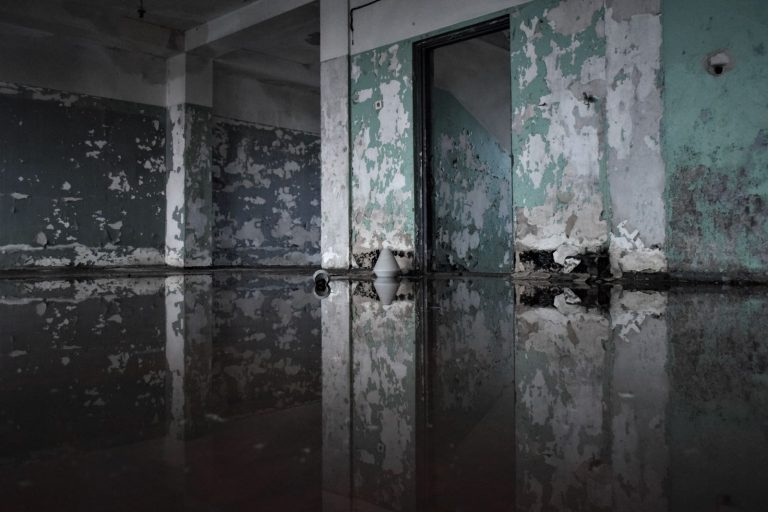
Clean, Grey and Black Water: What the Categories Mean for Your Cleanup
Restorers sort water damage into clean, grey and black water. Here's what each category means for your health, your carpet and walls, and how the cleanup changes.
Read the guide →
Flooded Subfloor or Basement: How Water Gets In and How It’s Dried
Water under the house is easy to ignore and slow to dry. How water gets into subfloors and basements, what to check safely, and how they're pumped out and dried properly.
Read the guide →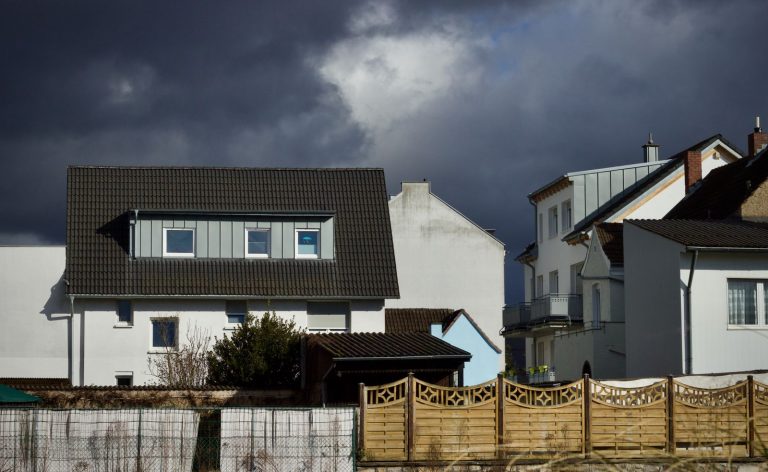
Storm Season in Melbourne: How to Prepare Your Home for Heavy Rain
Most storm water damage starts with blocked gutters, loose roofing or poor drainage. A practical checklist to prepare your Melbourne home before heavy rain arrives.
Read the guide →
Water Damage at Your Business: How to Minimise Downtime and Get Trading
A leak or flood at your shop, office or clinic costs you trading time as well as repairs. How to respond fast, keep parts of the business open and document it for…
Read the guide →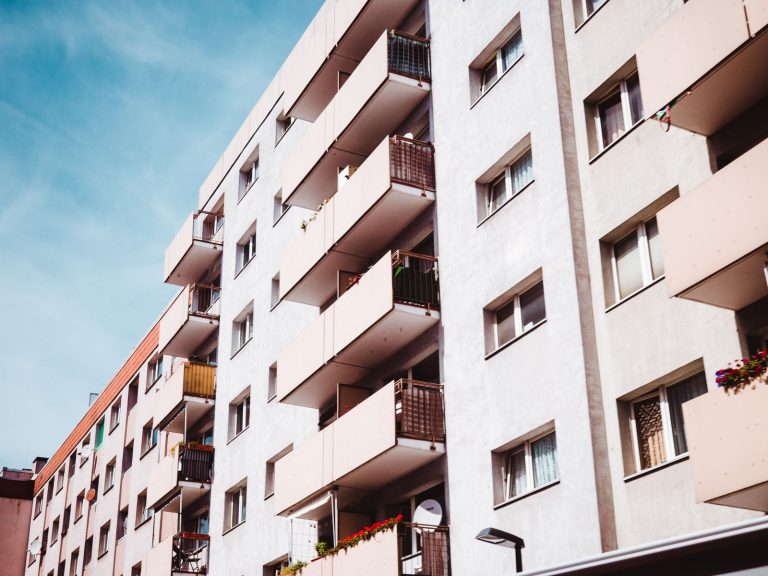
Water Leaking From the Apartment Above: Who Pays and What to Do
Water dripping from your ceiling and the leak is upstairs. What to do first, who to tell, how responsibility usually works in a strata building, and how your unit gets dried.
Read the guide →
Water Damage in a Rental Property: A Landlord’s Action Plan
Your tenant reports a leak or flood. A landlord's step-by-step plan for urgent repairs, talking to tenants, lodging the claim and getting the property properly dried.
Read the guide →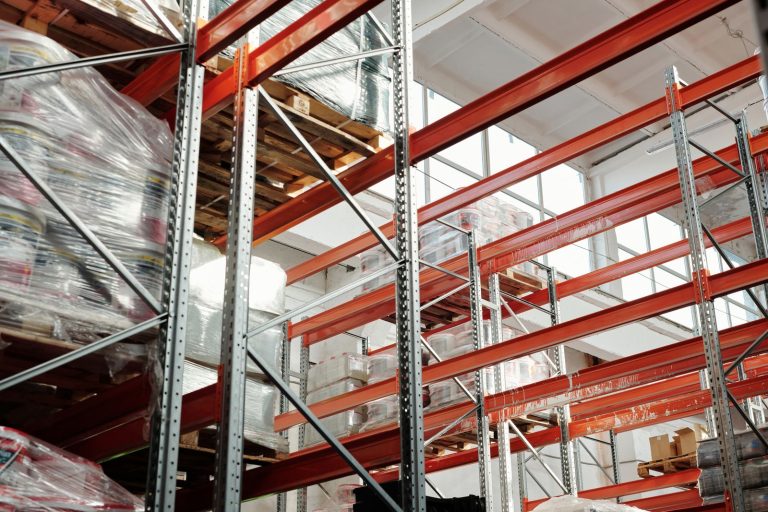
Warehouse or Factory Flooding: Protecting Stock, Equipment and Records
Floodwater in a warehouse or factory puts stock, machinery and records at risk. How to make the site safe, triage what can be saved and secure the building against more rain.
Read the guide →
How to Save Water-Damaged Photos, Documents and Books
Wet photos, papers and books can often be saved if you act quickly and gently. How to sort, rinse, air dry or freeze them, and which mistakes make the damage permanent.
Read the guide →
Water-Damaged Furniture and Electronics: What Can Be Saved?
Solid timber often survives, flat-pack often doesn't, and wet electronics should never be switched on. A practical guide to what can be saved after water damage.
Read the guide →Dealing with water damage right now?
Call any time. We answer 24/7 across Melbourne.