A wet carpet smell usually means moisture is still trapped somewhere, most often in the underlay or the floor beneath, and bacteria or mould have started to grow. Surface deodorisers and sprays only mask it. To get rid of the smell for good, you have to find and dry the hidden moisture, then clean and sanitise what’s left.
Here’s how to work out where the smell is coming from, what you can safely try at home, and when it needs professional help.
What causes the smell in wet carpet?
The smell isn’t the water itself. It comes from microorganisms that feed on dust, skin cells, food residue and the carpet backing once it stays damp. As they grow, they release gases with that familiar musty, sour or “wet dog” odour.
Common causes include:
- Damp underlay. It holds water much longer than carpet fibres and is often the main source.
- A wet subfloor. Timber floorboards or a concrete slab can stay damp after the carpet feels dry.
- Grey or black water. Water from a washing machine, dishwasher, toilet or flood carries bacteria from the start.
- Slow drying. Water that sat for a day or more before drying started gives bacteria and mould time to grow.
- A leak that’s still going. A small ongoing drip from a pipe, shower or roof can keep re-wetting the area.
Good to know: Mould can start growing within 24 to 48 hours in damp conditions. A smell that appears a few days after a leak is a strong hint that drying hasn’t finished.
Is the smell from wet carpet harmful?
The smell itself is a sign rather than a hazard, but what’s causing it can matter. Mould and bacteria can irritate the airways, especially for people with asthma, allergies or weakened immune systems, young children and older people.
If anyone in the house develops symptoms like a persistent cough, wheezing or skin irritation, see a GP. If the original water was sewage or floodwater, treat the carpet as contaminated and avoid handling it without protection. Our guide to the health risks of water damage explains who’s most at risk.
How can you find where the smell is coming from?
Narrowing down the source helps you decide what to do next. Try this:
- Kneel and smell close to the carpet in different spots to find where it’s strongest.
- Press a dry paper towel firmly into the carpet. If it comes up damp or discoloured, the area is still wet.
- If you can, lift a corner of the carpet from the gripper strip and check whether the underlay feels damp or looks stained.
- Look at nearby skirting boards and the bottom of walls for staining, swelling or mould spots.
- Check whether there’s a likely ongoing source, like a shower, laundry tap or external wall.
- Note whether the smell is worse on warm, humid days, which suggests moisture still present.
Warning: Don’t lift carpet that was soaked by sewage or floodwater. Keep children and pets off it and get professional advice.
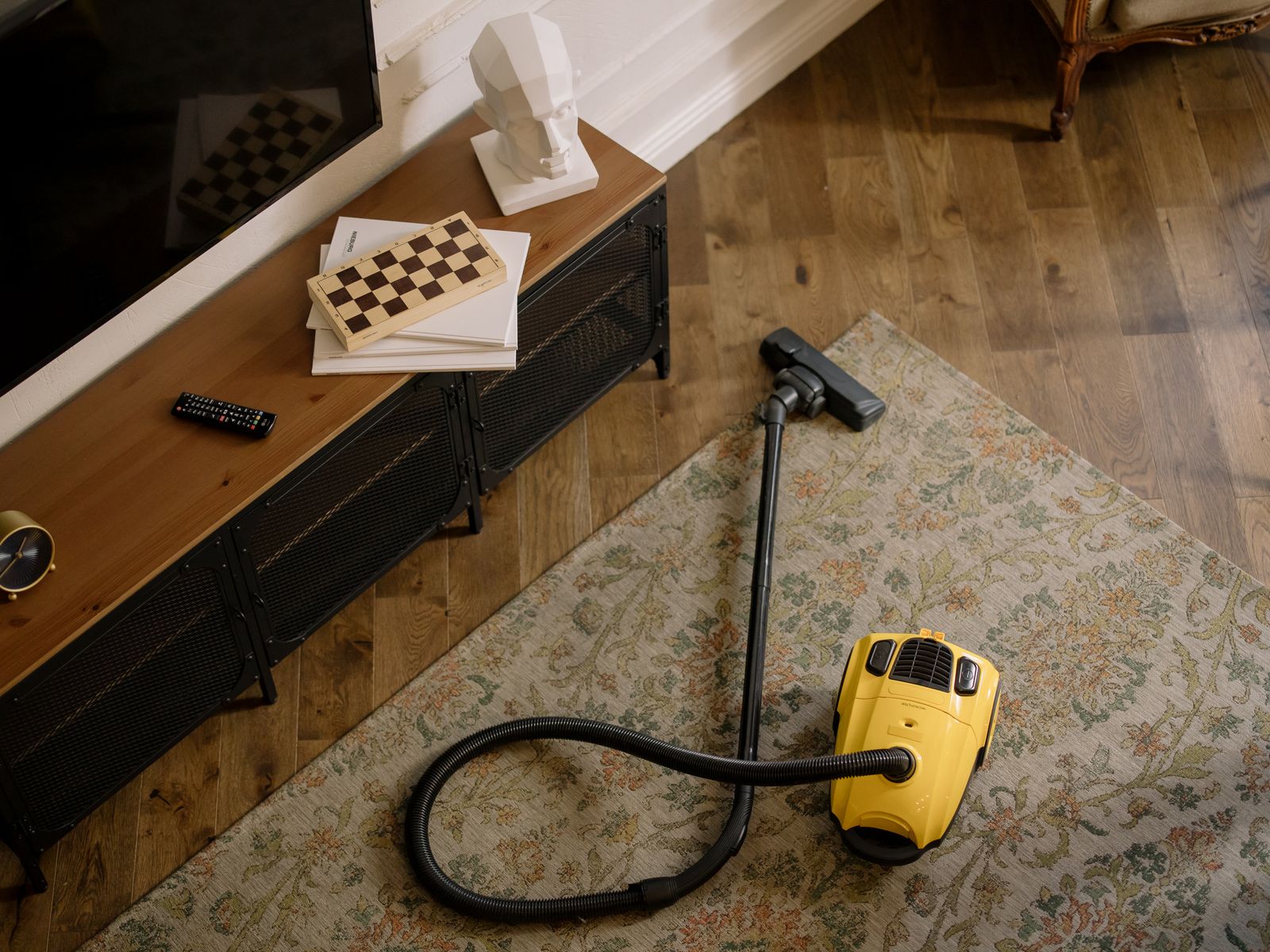
What can you try at home?
If the water was clean, the area is small and the smell is mild, these steps may help:
- dry the area thoroughly with fans and a dehumidifier, keeping windows closed while the dehumidifier runs
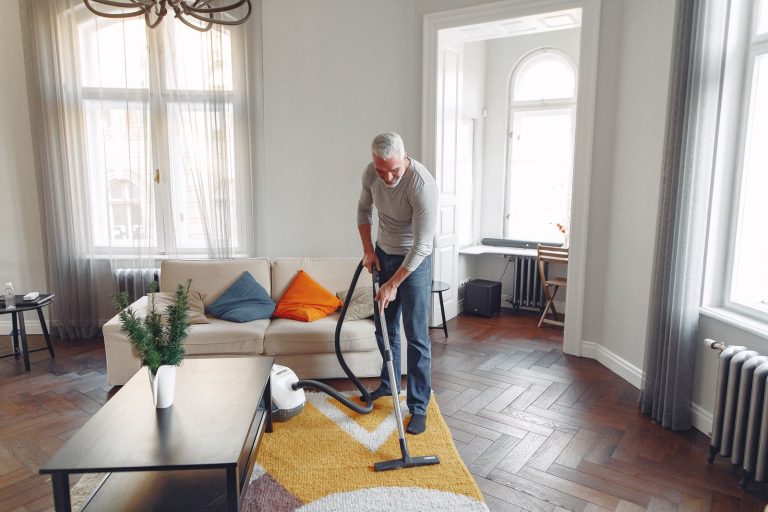
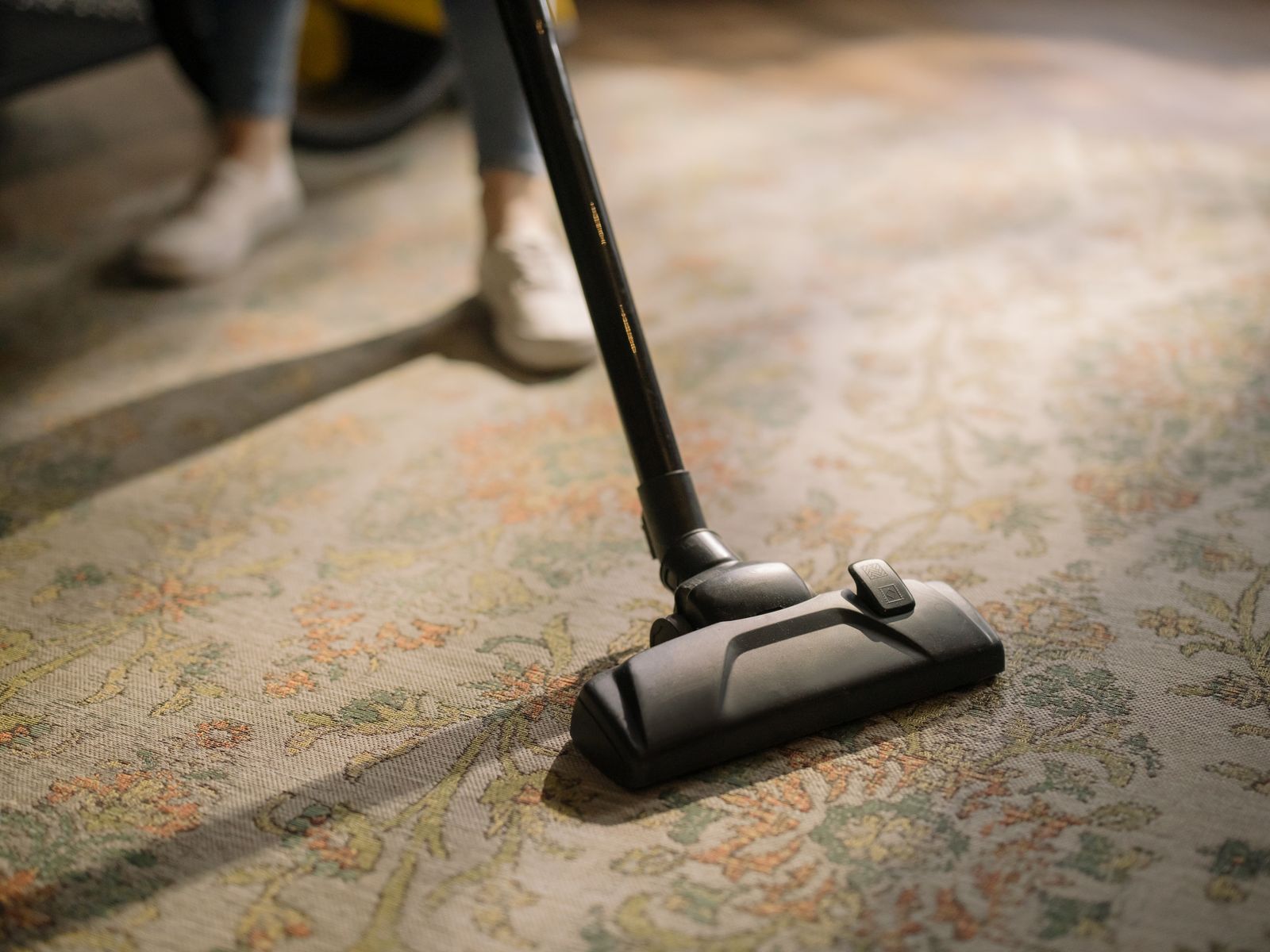
- sprinkle bicarbonate soda on the dry carpet surface, leave it for several hours, then vacuum
- open the room to fresh air on dry days once the carpet is fully dry
- clean with a carpet cleaner suitable for your carpet type, then dry it fast
If the smell comes back within a few days, the source hasn’t been dealt with. Repeating sprays or shampoos without drying the underlay can actually add more moisture and make it worse.
How do professionals get rid of wet carpet smell?
Professional odour removal deals with the cause first. That means finding the moisture with moisture meters and thermal imaging, extracting what’s left, and drying carpet, underlay and subfloor until readings return to normal.
Then the area is cleaned and treated with suitable antimicrobial products to reduce bacteria and mould. Underlay that’s been badly affected is often replaced, as it’s hard to fully clean. For stubborn odours that have spread into the room, additional deodorising may be used once the source is gone.
If you’re still deciding whether the carpet is worth keeping, see can wet carpet be saved. For a smell you can’t trace to any carpet, our guide to a musty smell in the house covers other hidden sources.
When to call a professional
You can usually manage a faint smell from a small clean-water spill that was dried quickly. Call a professional if:
- the smell is strong, getting worse or keeps coming back
- the carpet was wet for more than a day or two
- the water was grey water, sewage or floodwater
- you can see mould on the carpet, underlay or skirting boards
- someone in the home has asthma, allergies or is unwell
Our odour removal and sanitising service finds and treats the source, not just the smell. Where carpet and underlay are still damp, our wet carpet drying service dries them properly first. You’ll get a written scope and price before major work.
Get rid of the smell at the source
A smell that won’t go away is usually telling you something is still wet. Call us any time, or use the form below and we’ll call you back to arrange a check.
Frequently asked questions
How long does wet carpet smell last?
If the carpet and underlay are dried properly within a day or two, a mild smell often fades as drying finishes. If it lingers for more than a few days after the carpet feels dry, moisture is likely still trapped underneath.
Will steam cleaning get rid of the smell?
Sometimes, if the smell is only on the surface. But steam cleaning adds moisture, so if the underlay or subfloor is still damp, the smell can return. Find and dry the source first.
Do I need to replace carpet that smells?
Not always. Often the underlay is the main problem and can be replaced while the carpet is dried, cleaned and kept. Carpet soaked by sewage or floodwater is usually removed for health reasons.