A musty smell in the house is usually a sign of moisture somewhere it shouldn’t be, and often of mould or bacteria growing out of sight. Common sources are a slow leak under a sink or behind a shower, wet carpet underlay, a damp subfloor, or a wall cavity that never dried after a past leak. Air fresheners will mask it for a while, but the smell will keep returning until the moisture is found and dried.
This guide shows you how to sniff out the source room by room, what different smells can mean, and when it’s time to bring in moisture detection equipment.
What causes a musty smell in a house?
That damp, earthy odour is mostly gases given off by mould and bacteria as they grow. They need moisture to do it, so a musty smell is really a moisture alarm.
The most common causes we see in Melbourne homes are:
- Slow plumbing leaks: a dripping trap under the kitchen or bathroom sink, a weeping flexi hose, or a leaking shower base.
- Previous water damage that wasn’t fully dried: for example after a burst pipe or washing machine overflow.
- Wet carpet underlay: from a spill, pet accidents, a leaking window or water tracking in from outside.
- Subfloor moisture: poor drainage or blocked vents under houses on stumps.
- Roof or gutter leaks: water getting into the ceiling space or down inside walls.
- Condensation: in bathrooms, wardrobes on external walls and rooms with little airflow.
Is a musty smell in the house harmful?
A smell on its own isn’t a diagnosis, but it does tell you conditions suit mould growth. Mould can irritate the nose, eyes, throat and skin and make asthma or allergies worse. Young children, older people and anyone with a lung condition or weakened immune system may be more affected.
If someone in the house has symptoms like a persistent cough, wheezing or sinus irritation, see a GP. For more on who’s most at risk, read our post on the health risks of water damage.
How to find the source: a room-by-room checklist
Do this on a cool morning with windows shut overnight, when smells are strongest. Follow your nose, then look closely.
- Start where it’s strongest. Walk slowly through the house and note which room, cupboard or corner smells worst.
- Kitchen and laundry: open the cupboards under sinks and check the base for swelling, staining or a soft feel. Pull out the dishwasher kickboard and check behind the washing machine if you can do so safely.
- Bathrooms: look at the bottom of the walls outside the shower, skirting boards, and any grout or silicone that’s cracked or dark. Tap tiles gently; drummy or loose tiles can mean water behind them.
- Bedrooms and living areas: lift a corner of carpet near external doors and walls if it lifts easily. Feel the underlay for dampness and check for dark staining on the backing.
- Wardrobes and built-ins: check the back corners and the floor, especially on external or wet-area walls.
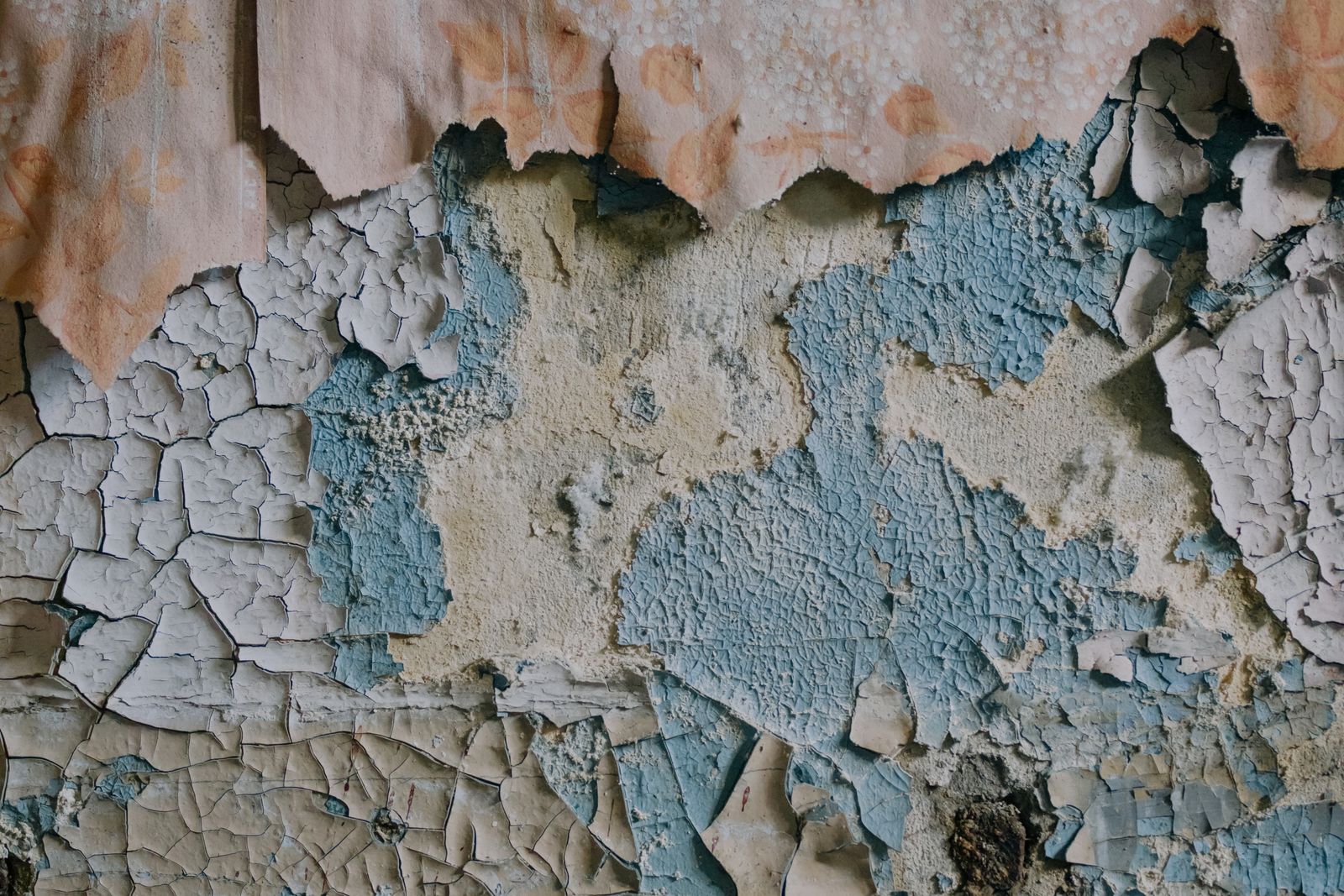
- Ceilings: look for faint brown rings, sagging or bubbling paint, especially below bathrooms and roof valleys.
- Subfloor: if your house is on stumps and there’s safe access, look for pooling water, damp soil or blocked vents. Don’t crawl in if there’s standing water near wiring.
- Outside: check that gutters and downpipes are clear and that garden beds or paving aren’t directing water against the walls.
Take photos of anything you find. They help a restorer, plumber or insurer understand what’s going on.
What different smells might mean
Smell isn’t precise, but it can point you in a direction:
- Earthy and damp, like a basement: commonly mould or mildew from slow moisture.
- Sour or “wet dog”: often wet carpet, underlay or textiles.
- Rotten egg or sewage: a dry floor waste or trap, a broken pipe or a sewer issue. This needs a plumber promptly, and our post on sewage backup in the house explains the risks.
- Mustiness that gets worse after rain: roof, gutter, window or subfloor drainage problems.
Good to know: If the smell started after a known leak or flood that was dried with towels and fans only, there’s a good chance moisture is still trapped in walls, underlay or the subfloor.
Why air fresheners and candles don’t fix it
Covering a smell doesn’t remove what’s producing it. The same goes for sprinkling carpet deodoriser or spraying fabric sprays. Bleach won’t solve it either if mould is growing inside porous materials; see does bleach kill mould for why.
Getting rid of a musty smell properly takes three steps in order:
- Find and fix the moisture source.
- Dry the affected materials until they’re back to normal moisture levels.
- Clean, remove or treat what the mould and bacteria have affected, then deodorise.
Skip the first two and the smell comes back.
How professionals find hidden water damage
When you can smell it but can’t find it, equipment does the work. We use moisture meters to test walls, floors and skirting, and thermal imaging cameras to show cooler damp patches behind surfaces without cutting anything open.
Once the source is found, the fix might involve structural drying of walls and floors, lifting and drying underlay, or removing materials that can’t be saved. Then odour removal and sanitising deals with any smell that lingers once everything is dry.
When to call a professional
If the smell is mild, limited to one spot, and you’ve found and fixed an obvious cause like a dripping trap, airing and drying the area may be enough. Give it a week or two.
Call in professional odour removal and sanitising along with moisture detection when:
- You can’t find the source, or the smell keeps coming back.
- The smell started after a leak, flood or sewage problem.
- You find soft, swollen or stained materials.
- There’s visible mould, or you suspect mould inside a wall.
- Anyone in the house has asthma, allergies or a health condition.
If something smells wrong and you’d like it tracked down properly, call FRS any time or use the form below to request a call back.
Frequently asked questions
Why does my house smell musty only when it rains?
Rain-linked mustiness often points to water getting in through the roof, gutters, windows or walls, or to a subfloor that collects water after heavy rain. Check gutters, downpipes and the subfloor, and look for staining after a downpour.
Can a musty smell come from the air conditioner?
It can. Split systems and ducted units can collect moisture and grow mould in their coils, trays or ducts, especially if they aren’t serviced regularly. If the smell is strongest when the system runs, have it cleaned and checked by an air conditioning technician.
How long does it take to get rid of a musty smell?
It depends on the cause. Once the moisture is fixed, materials still need to dry; most drying jobs take around 3 to 5 days, longer for slabs, timber floors and contaminated water. Deodorising follows once everything is dry, so the smell doesn’t return.