The main health risks of water damage are germs from contaminated water, mould from materials that stay damp, and physical hazards like electricity, slippery floors and weakened ceilings. Clean water from a burst supply pipe carries the lowest risk at first, while sewage and rising floodwater can carry bacteria, viruses and chemicals from the moment they arrive. Babies, older people, pregnant women and anyone with asthma, a lung condition or a weakened immune system need the most protection.
Here’s how to judge the risk in your home, what to do to keep everyone safe, and when the clean-up should be left to professionals.
Does the type of water change the health risk?
Yes. Restorers use three categories to describe how contaminated water is:
- Category 1 (clean water): from a burst supply pipe, hot water service or tap. Low risk at first, but it can degrade if it sits.
- Category 2 (grey water): from washing machines, dishwashers, showers or a toilet bowl without waste. It can contain bacteria and detergents and may cause illness if swallowed or in contact with broken skin.
- Category 3 (black water): sewage, toilet water with waste, and floodwater that has come in from outside. It can carry bacteria, viruses, parasites, chemicals and debris.
Water can move up the scale over time. Clean water left sitting in a warm house for a day or two, soaking through carpet and dust, can become a grey water problem. Our post on clean, grey and black water categories explains this in more depth.
Health risks from sewage and floodwater
Contaminated water is the most immediate concern. Possible effects include stomach upsets if germs are swallowed, skin infections through cuts or grazes, and eye irritation from splashes.
Floodwater can also carry fuel, garden chemicals and sharp debris you can’t see under the surface. VICSES advises people not to walk, swim or drive through floodwater. For flood and storm emergency help, call VICSES on 132 500, and in a life-threatening emergency call 000.
How mould affects health after water damage
Mould can start growing within 24 to 48 hours in damp conditions. Breathing in mould spores and fragments can cause:
- A blocked or runny nose and sneezing.
- Itchy, watery eyes and skin irritation.
- Coughing, wheezing or a sore throat.
- Worsening of asthma and allergy symptoms.
People react differently, and most healthy adults have mild or no symptoms from small amounts. People with existing lung conditions, allergies or weakened immune systems can be more seriously affected. For a closer look at the timeline, read how soon mould grows after water damage.
If anyone in your household develops symptoms after water damage, see a GP and mention the leak or flood. The Better Health Channel has general information on mould, floods and health.
Who is most at risk?
Take extra care to keep these people away from wet, contaminated or mouldy areas:
- Babies and young children, who touch everything and play on floors.
- Pregnant women.
- Older people.
- People with asthma, allergies or chronic lung conditions.
- Anyone with a weakened immune system, such as people having chemotherapy or taking immune-suppressing medication.
- People with open wounds or skin conditions.
Pets also tend to walk through and drink contaminated water, so keep them out too. If anyone in these groups lives in the house, it may be worth staying elsewhere during the clean-up. Our guide on whether it’s safe to stay after water damage can help you decide.
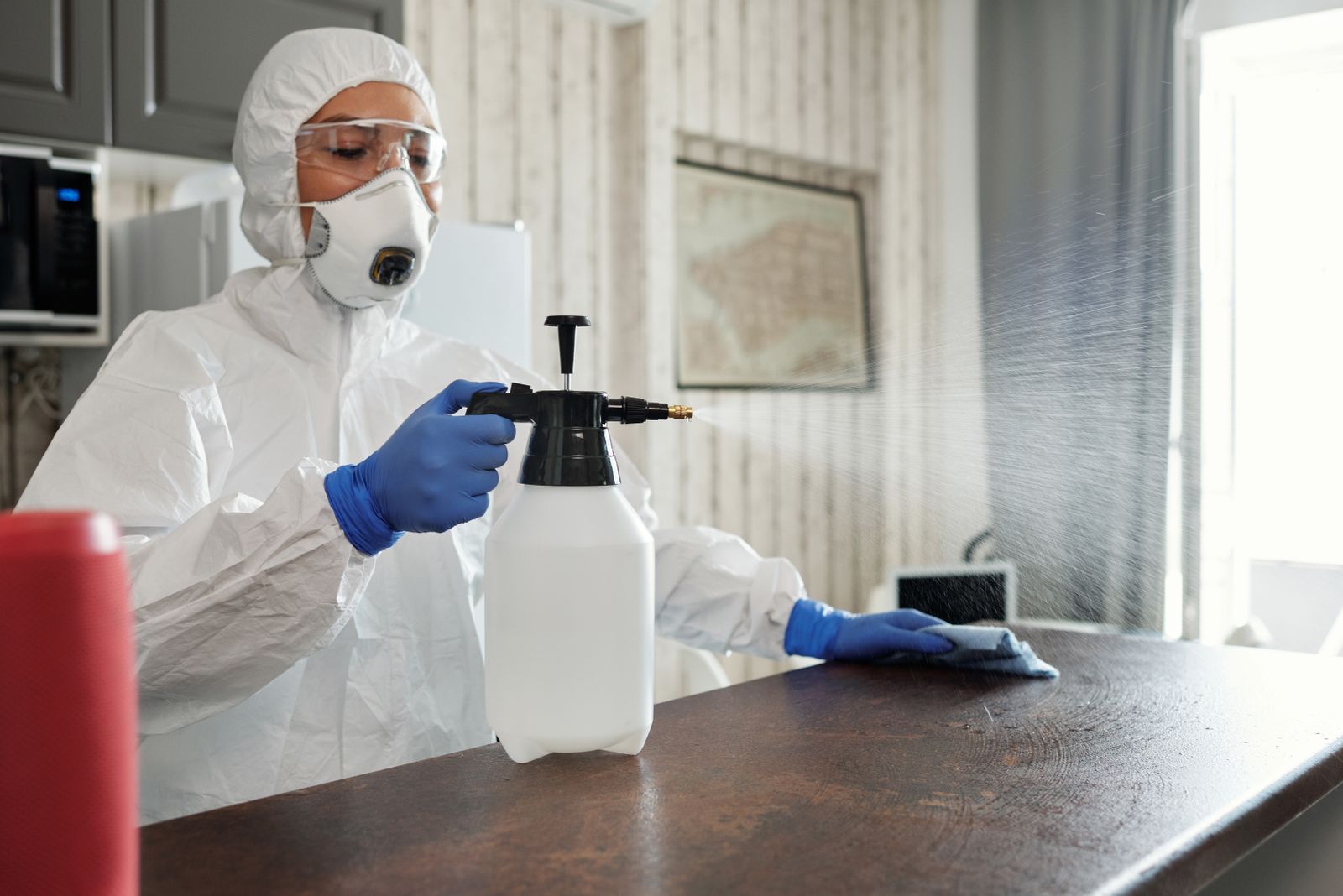
How to protect your household right now
Whatever the water type, these steps lower the risk tonight:
- Check for electrical danger first. Don’t touch switchboards, power points or appliances while standing in water. If water has reached wiring and you can’t safely turn off the power from a dry spot, call an electrician.
- Keep vulnerable people and pets out of affected rooms, and shut doors to limit spread.
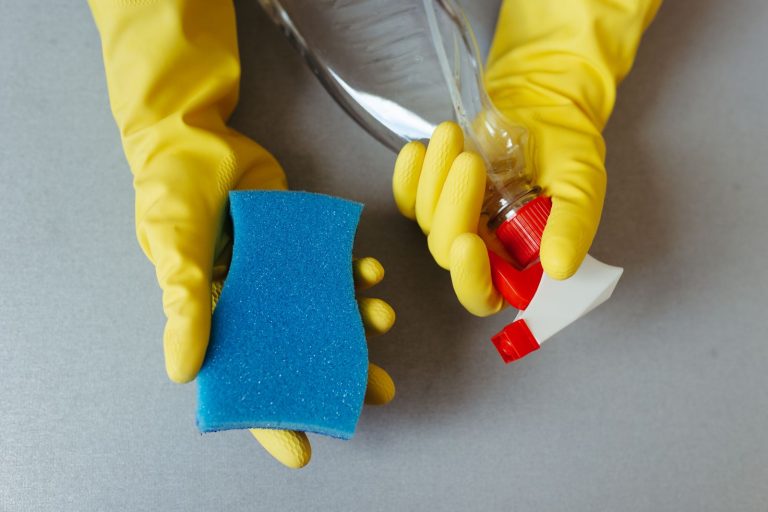
- Wear protection if you must go in: rubber gloves, sturdy closed shoes or boots, and eye protection. A P2 mask helps where there’s mould or dust.
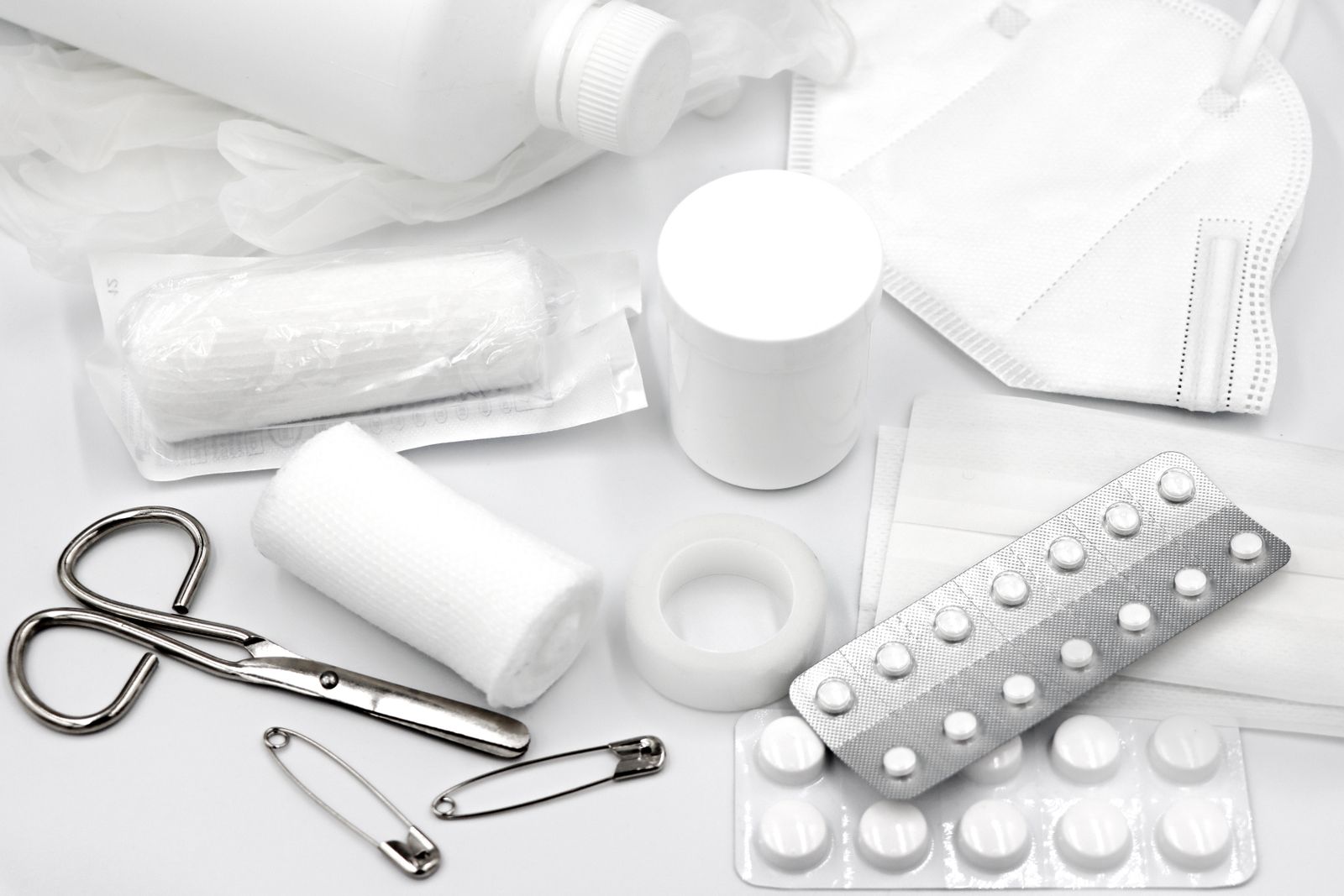
- Avoid skin contact with sewage or floodwater, and cover any cuts with waterproof dressings.
- Wash your hands thoroughly with soap and clean water after touching anything wet, and before eating or drinking.
- Throw out food that’s been touched by contaminated water, including sealed packaging that has been submerged.
- Don’t use wet electrical items until they’ve been checked.
- Ventilate if it’s dry outside, but don’t run fans through sewage-affected areas, which can spread contamination.
Warning: Never mix cleaning chemicals, and don’t use bleach on porous materials hoping it will make them safe. Contaminated carpet, underlay, plasterboard and insulation usually need removing.
Other hidden hazards after water damage
Health risks aren’t only about germs. Watch for:
- Sagging ceilings: wet plasterboard can fall without warning. Stay out from under any bulge.
- Slips and trips: wet tiles and timber are slippery, and lifted carpet can be a tripping hazard.
- Gas appliances: if a gas heater or hot water system has been flooded, have it checked by a licensed gasfitter before use.
- Heavy lifting: waterlogged carpet and furniture are much heavier than they look.
When to call a professional
A small clean-water leak that you caught early, with no smell and no mould, is usually fine to dry yourself, as long as you can get everything properly dry.
Call for professional sewage and floodwater cleanup when:
- The water came from a sewer, toilet waste or outside floodwater.
- Clean water has been sitting for more than a day or two.
- Vulnerable people live in the home.
- There’s visible mould, or a strong musty or sewage smell.
- Carpet, underlay, plasterboard or insulation is soaked.
At FRS we remove contaminated materials, sanitise affected surfaces, and dry the structure with measured drying. Where mould has already started, mould remediation can be done as part of the same job. If you’re worried about the health risks in your home after a leak or flood, call us any time or use the form below.
Frequently asked questions
Can water damage make you sick?
It can. Contaminated water like sewage and floodwater can carry germs that cause stomach upsets and skin infections, and mould from damp materials can irritate airways and worsen asthma. If you or a family member feel unwell after water damage, see a GP.
How long after water damage can health problems appear?
It varies. Illness from contaminated water can show up within days of contact, while mould-related symptoms can develop over weeks if damp isn’t dealt with. Prompt drying and safe clean-up lower both risks.
Is it safe to clean up floodwater myself?
Small amounts of clean water are usually fine with basic care. Floodwater and sewage are a different matter because of the contamination, hidden debris and electrical risk. If you do any clean-up, wear protective gear, keep vulnerable people away and leave soaked porous materials to professionals.