If sewage has backed up into your house, keep everyone out of the affected area, stop using all water in the home, and call a licensed plumber to clear the blockage. Sewage is Category 3 (black) water: it can carry bacteria, viruses and parasites, so anything porous it soaks, like carpet, underlay and plasterboard, usually has to be removed rather than dried. Once the drain is clear, the area needs professional cleaning, sanitising and drying before it’s safe to use again.
This guide covers why sewage backs up, what to do in the first hour, who’s likely responsible for the blockage, and how a proper sewage cleanup works.
Why does sewage back up into a house?
Sewage comes back up when wastewater can’t flow away and finds the lowest open point in your plumbing, usually a shower drain, floor waste, bath or ground-floor toilet. Common causes include:
- Tree roots growing into old clay or cracked sewer pipes.
- Blockages from wipes, fat, oil, nappies or sanitary products flushed down the toilet or sink.
- Collapsed or damaged pipes, often in older homes.
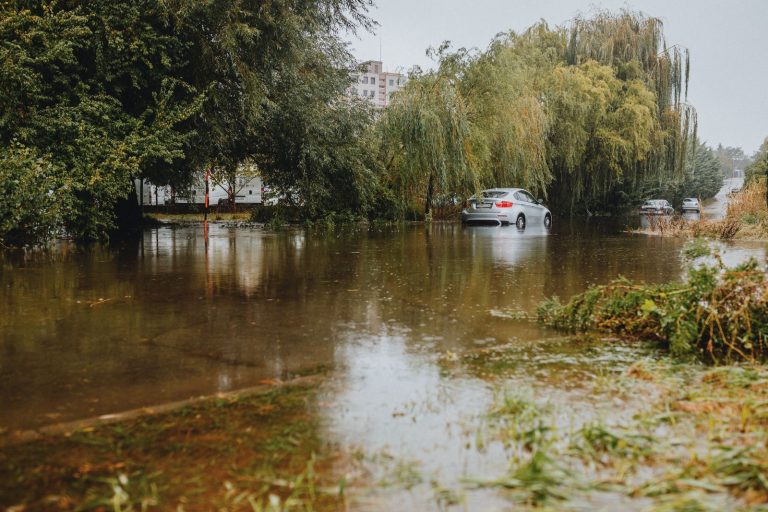
- Heavy rain overloading the sewer system, sometimes through stormwater getting into sewer pipes.
- A blocked sewer main in the street, which can affect several houses at once.
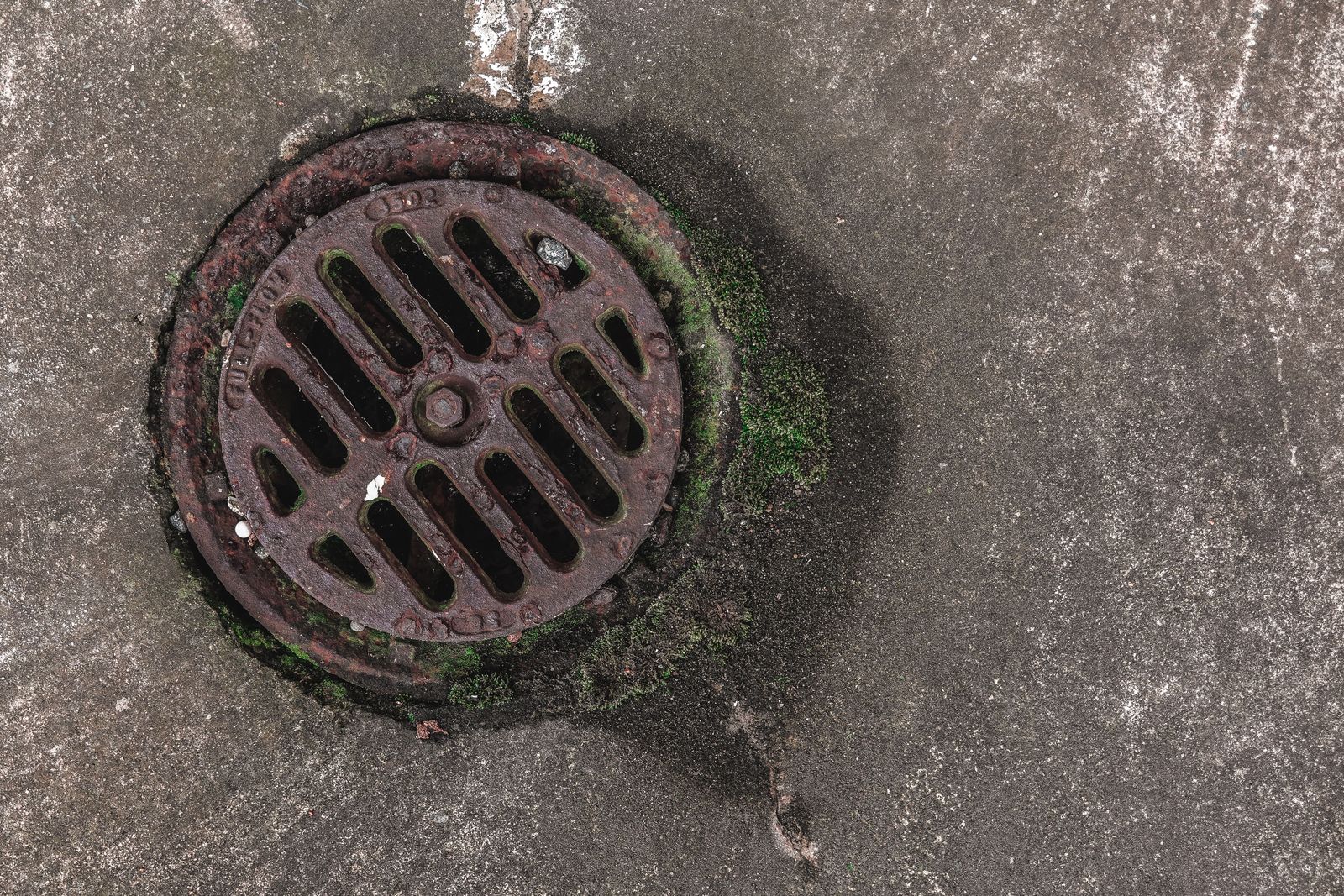
Many Victorian homes have an overflow relief gully (ORG) outside, a drain grate with a loose cap designed to pop up and let sewage overflow outside rather than inside. If the grate is buried under garden beds or paving, or sits higher than an inside drain, sewage can come out indoors instead.
Is sewage in the house dangerous?
Yes, it should always be treated as a health risk. Contact with sewage can cause stomach illness, skin infections through cuts and eye irritation. The risk is higher for babies, young children, older people, pregnant women and anyone with a weakened immune system.
If anyone becomes unwell after contact with sewage, see a GP. Our article on the health risks of water damage explains who is most vulnerable and why.
What to do in the first hour
Your priorities are safety, stopping more sewage coming in, and keeping a record.
- Get people and pets out of the affected rooms and close the doors.
- Stop using water. Don’t flush toilets, run taps, shower, or use the dishwasher or washing machine. Every litre you use can come back up.
- Check for electrical risk. If sewage has reached power points, appliances or cords, don’t touch them. Turn off power at the switchboard only if you can do it from a dry spot. Otherwise call an electrician.
- Call a licensed plumber to find and clear the blockage.
- Check your overflow relief gully. If it’s safe to reach, see whether the cap has lifted and whether sewage is overflowing outside.
- Take photos and video of the affected area, the source and any damaged belongings before cleaning anything.
- Ventilate from outside by opening windows if you can reach them without walking through sewage.
- Call your insurer to report the damage and ask what they need.
Warning: Don’t use a household vacuum, carpet cleaner or ordinary mop on sewage. It spreads contamination and can ruin the machine. Leave soaked carpet in place until it’s assessed.
Who is responsible for the blockage?
This can affect who pays for the plumbing, so it’s worth knowing the basics. In Melbourne, the water corporation for your area is generally responsible for the sewer main, while the property owner is generally responsible for the pipes on their property that connect to it. Exactly where that boundary sits depends on the property.
If neighbours are also having problems, or the blockage seems to be in the street, contact your water corporation as well as a plumber. Renters should tell their landlord or agent straight away, in writing; Consumer Affairs Victoria has information on urgent repairs in rentals.
Insurance for sewage damage varies a lot between policies. Check your PDS, call your insurer, and keep the plumber’s report, as it usually explains the cause.
How sewage cleanup is done properly
A sewage job is different from a clean water leak because of contamination. Professional sewage cleanup typically involves:
- Safe access and protection: protective gear and containment so contamination isn’t tracked through the house.
- Extraction: removing sewage and contaminated water with dedicated equipment.
- Removing porous materials: carpet, underlay, plasterboard near the floor, insulation and skirting that have soaked up sewage are usually cut out and disposed of.
- Cleaning and sanitising: hard surfaces like tiles, concrete and framing are cleaned and treated with suitable products.
- Drying: the structure is dried and checked with moisture meters, since sanitising doesn’t remove water from walls and slabs.
- Odour treatment: once everything is clean and dry, odour removal and sanitising deals with lingering smells.
Most drying jobs take around 3 to 5 days, but contaminated water and concrete slabs often take longer. We’ll give you a written scope and price before major work, and photos, moisture readings and a drying report for your insurer.
Can belongings be saved after sewage contamination?
Some can, many can’t. Hard, non-porous items like glass, metal and sealed plastics can often be cleaned and sanitised. Soft and porous items such as mattresses, soft toys, upholstered furniture and food usually aren’t worth the risk.
Important documents and photos are a special case and may be recoverable with specialist help. Photograph and list anything you throw out for your claim, and check with your insurer before disposing of high-value items.
When to call a professional
A tiny amount of sewage on a tiled floor, from a toilet that overflowed once and was immediately cleared, can sometimes be cleaned carefully with gloves, detergent and disinfectant. Our post on toilet overflow cleanup covers when that’s reasonable.
For anything more, call professional sewage cleanup, especially if:
- Sewage reached carpet, floorboards, walls or under flooring.
- More than one room is affected, or it’s happened more than once.
- Vulnerable people live in the home.
- There’s a lingering smell after cleaning.
FRS is available 24/7 across Melbourne. Once your plumber has the blockage under control, call us any time or use the form below and we’ll take it from there.
Frequently asked questions
Can I stay in my house after a sewage backup?
It depends on how much of the house is affected and who lives there. If sewage is limited to one closed-off room and you have a working toilet elsewhere, some households stay. If it’s widespread, or there are babies, older people or anyone unwell at home, staying elsewhere during cleanup is safer.
Can carpet be cleaned after sewage gets on it?
Generally no. Carpet and underlay soaked by sewage are usually removed and replaced, because contamination gets into the backing and underlay where cleaning can’t reliably reach. Hard floors underneath can often be cleaned and dried.
Does home insurance cover sewage backup?
Some policies cover sewage damage from a sudden event, while others limit or exclude it, particularly for blockages caused by tree roots or gradual pipe deterioration. Check your PDS and call your insurer early. A plumber’s report on the cause helps your claim.