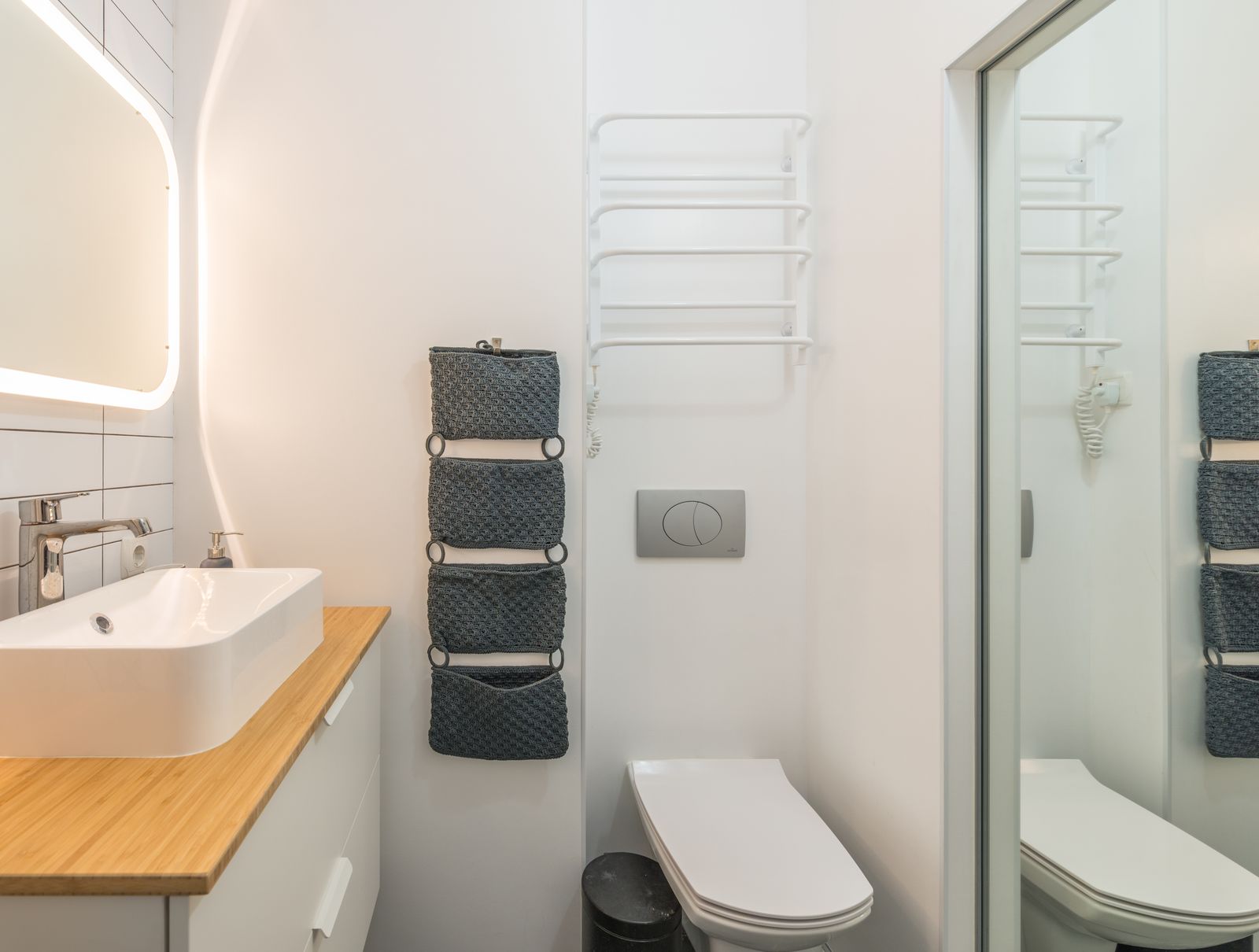
Toilet overflow cleanup is usually a DIY job if the water was clean or only lightly contaminated, it stayed on a tiled floor, and you dealt with it straight away. It becomes a job for professionals when the overflow contained waste and reached carpet, timber floors, walls or the room below, or when the toilet keeps overflowing because of a blockage further down the line. The deciding questions are what was in the water, where it travelled, and how long it sat.
Below is a quick way to make that call, a safe cleaning method for small overflows, and the warning signs that mean you should stop and get help.
First, stop the overflow
If the bowl is still filling, act before you clean:
- Turn off the water to the toilet. The isolation tap is usually on the wall behind or beside the toilet; turn it clockwise.
- If you can’t find it, lift the cistern lid and raise the float to stop the cistern refilling, then turn off the mains tap.
- Don’t flush again. A second flush into a blocked toilet usually makes things worse.
- Keep children and pets out of the bathroom.
What kind of water came out?
The type of water matters more than the amount. Restorers use three categories:
- Clean water (Category 1): from the cistern or a fill valve fault, with no waste in the bowl. Low risk if cleaned up promptly.
- Grey water (Category 2): bowl water with urine but no solid waste. Some contamination, so clean and disinfect carefully.
- Black water (Category 3): water containing faeces, or sewage that came back up from the drain. Treat it as a health hazard.
A toilet overflowing from below while you haven’t flushed, or several drains gurgling at once, suggests a blocked sewer line rather than a blocked toilet. That’s a plumber’s job first; our post on sewage backup in the house explains what to do.
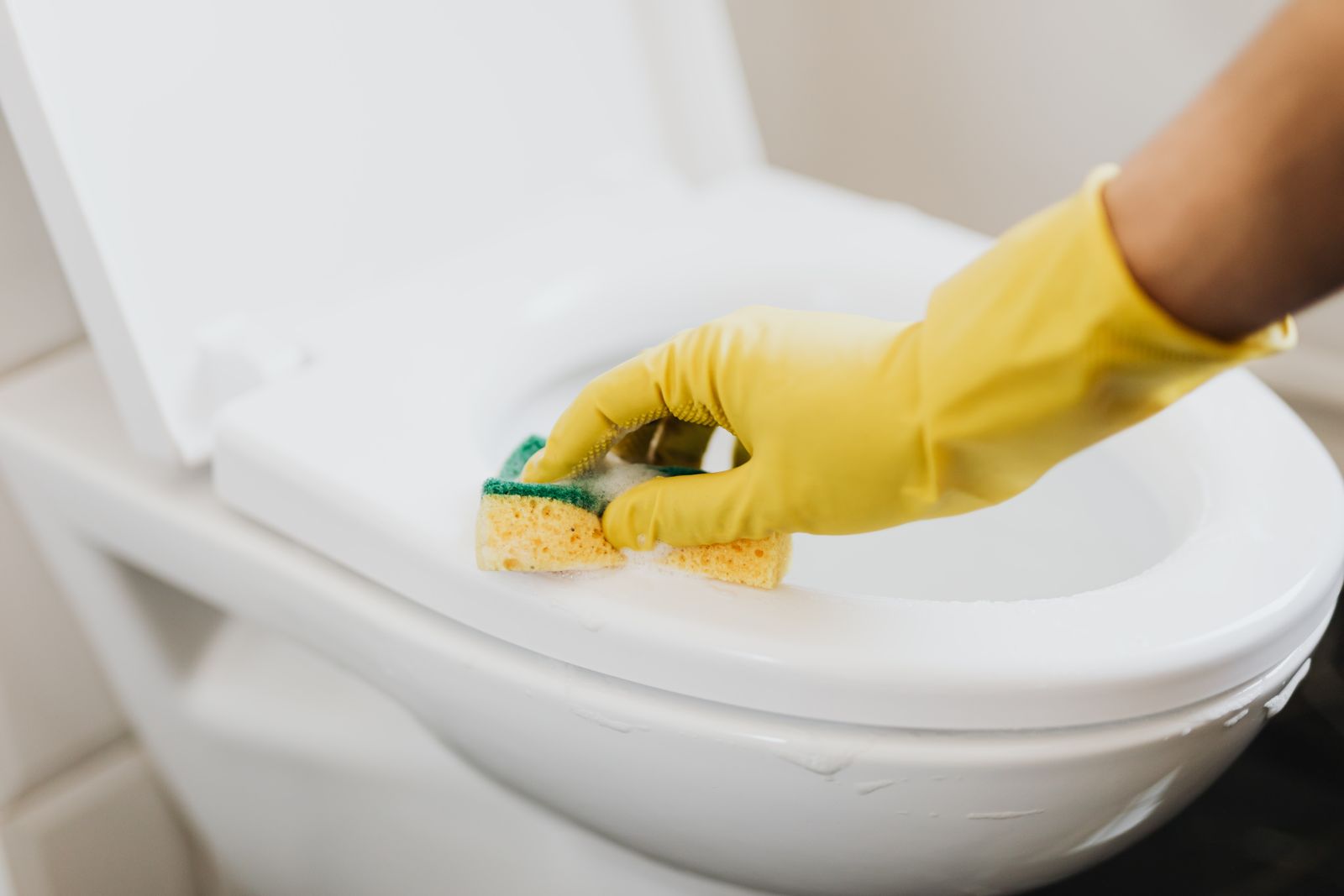
How to clean a small toilet overflow safely
For a one-off overflow onto tiles or vinyl that you caught quickly, here’s a careful approach.
- Gear up. Wear rubber gloves, closed shoes you can wash, and eye protection if there’s splashing risk. Cover any cuts on your hands.
- Ventilate. Open the window and turn on the exhaust fan.
- Remove solids with disposable paper towel or a dustpan you’re happy to throw out, and bag them.
- Soak up the water with old towels or disposable cloths. Work from the outside edge towards the toilet so you don’t spread it.
- Clean with detergent and hot water first. Disinfectants work best on surfaces that have already been cleaned.
- Disinfect hard surfaces, including the toilet base, floor, grout lines, skirting and the lower walls, following the product label. Don’t mix products, and never mix bleach with other cleaners.
- Dry the room with the fan running and the door open to the rest of the house only once everything is clean.
- Bag and bin disposable items, wash reusable towels separately on a hot cycle, and wash your hands thoroughly.
Tip: Check the edges of the floor where tiles meet the wall, and under the vanity. If water got into the gap at the skirting or under the vanity, it may have soaked into the wall or subfloor.
Signs the water went further than you think
Overflow water travels quickly through small gaps. Look and feel for:
- Damp or swollen skirting boards, door frames or vanity kickboards.
- Wet carpet in the hallway or bedroom next to the bathroom.
- Loose or drummy floor tiles, or grout that stays dark after it should have dried.
- A water stain or drip on the ceiling below, if the bathroom is upstairs or in an apartment.
- A smell that lingers a day or two after cleaning.
If you see any of these, the problem isn’t just the surface any more. In apartments, also let your building manager or owners corporation know.
When carpet or timber gets wet
Carpet that’s been hit by clean cistern water can often be dried if it’s handled promptly; our guide on whether wet carpet can be saved covers that.
Carpet and underlay soaked by water containing waste are a different story. Contamination gets into the backing and underlay, and in most cases they need to be removed and replaced, while the floor beneath is cleaned, sanitised and dried. Timber floors and particleboard subfloors can also absorb contaminated water and need drying and assessment.
Don’t run a carpet shampooer or household vacuum over toilet water containing waste. It can push contamination deeper and spread it to other rooms.
Why does my toilet keep overflowing?
One overflow can be bad luck. Repeated overflows usually point to a cause that needs a plumber:
- A partial blockage in the toilet pan or pipe from wipes, paper or objects.
- Tree roots or a collapsed section in the sewer pipe on your property.
- A blockage in the sewer main, sometimes affecting neighbours too.
- A faulty fill valve that lets the cistern overfill.
Fixing the cause comes before any cleanup, otherwise you’ll be cleaning the same mess again. Keep the plumber’s report for your insurer.
When to call a professional
Clean it yourself if the overflow was clean or grey water, stayed on hard surfaces, and was cleaned up promptly with nothing soaking into walls or flooring.
Call for professional sewage cleanup when:
- The water contained waste and reached carpet, timber floors or walls.
- Water has leaked under the vanity, through the floor or into the room or apartment below.
- The overflow came up from the drain, or more than one fixture is affected.
- It sat for hours before anyone found it.
- A baby, older person or anyone with a weakened immune system lives in the home.
FRS removes contaminated materials, sanitises the area, dries the structure with moisture readings, and uses odour removal and sanitising if a smell lingers. If you’re not sure whether you can handle it, call us any time or use the form below and we’ll tell you honestly.
Frequently asked questions
Is toilet overflow water dangerous?
It can be. Clean cistern water is low risk if cleaned quickly, but water containing urine or faeces carries bacteria and viruses. Wear gloves, avoid skin contact, disinfect hard surfaces, and see a GP if anyone becomes unwell after contact.
Does insurance cover toilet overflow damage?
Many policies cover sudden water damage from a toilet overflow, but cover for contamination, the plumbing repair and gradual leaks varies. Check your PDS and call your insurer early. Photos and the plumber’s report help support a claim.
Can I use bleach to clean up a toilet overflow?
On hard, non-porous surfaces, a suitable disinfectant used as directed after cleaning is fine. Bleach isn’t a fix for contaminated carpet, underlay or plasterboard, and should never be mixed with other cleaning products because of the fumes.