Once floodwater has come inside, treat everything it touched as contaminated, keep the power off in wet areas until it is safe, and photograph the damage before you move or throw anything out. Then remove the water, get rid of soaked porous items that can’t be sanitised, and start drying within a day or two to stop mould. This checklist walks you through each stage in order, from the first hour back inside to the final drying check.
Is it safe to go back inside after a flood?
Only go back in when emergency services say the area is safe. If water is still rising, or you are worried about anyone’s safety, call 000. For flood and storm help such as sandbagging or a damaged roof, call VICSES on 132 500.
Before you step inside, check for:
- Sagging ceilings, cracked walls or doors that suddenly jam (signs of structural movement)
- The smell of gas (leave and call your gas provider from outside)
- Water near power points, appliances or the switchboard
Warning: Never touch the switchboard, power points or appliances while you are standing in water or on wet floors. If the meter box or wiring has been underwater, have a licensed electrician check it before power is restored.
Wear gumboots, rubber gloves and long sleeves. Rising floodwater is classed as black water (category 3), the same category as sewage, because it picks up runoff from drains, roads and yards.
What should you do first? The first-day checklist
Work through these in order. The aim is to stay safe, protect your claim and stop the damage spreading.
- Photograph and video everything before you touch it: water lines on walls, soaked carpet, furniture, appliances and the outside of the house. Include close-ups and wide shots of each room.
- Call your insurer to lodge the claim and ask what they need from you. Flood is often a separate cover from storm damage, so check your PDS (product disclosure statement) rather than assuming.
- Turn off power to wet areas at the switchboard only if you can reach it from a dry spot. Otherwise wait for an electrician.
- Move dry valuables up and out of wet rooms: documents, photos, medicines and electronics.
- Open windows if the weather allows, to get air moving. Don’t run the ducted heating or air conditioning, as it can spread contaminated air and moisture through the ducts.
- Keep children and pets out of flooded rooms.
- Write a list of damaged items as you go, with rough age and where you bought them.
Our guide on what to do when your house floods in the first 24 hours covers the very first hour in more detail.
What do you throw out after a flood?
This is where people often lose the most money or take the most risk. Floodwater soaks deep into porous materials, and you can’t reliably sanitise them at home.
Usually needs to go (photograph first, and ask your insurer whether they want to inspect it):
- Food, including anything in the fridge if the power went off, and anything in cans or jars that touched floodwater
- Mattresses, pillows and soft toys that were submerged
- Carpet underlay soaked by floodwater
- Cosmetics, medicines and toothbrushes that got wet
Often worth assessing before you decide:
- Solid timber furniture, which can sometimes be cleaned and dried
- Hard plastics, glass and metal, which can usually be washed and disinfected
- Important photos and papers (see our guide to saving water-damaged photos and documents)
Good to know: Don’t throw out big-ticket items like a lounge suite or a fridge before your insurer has seen photos or asked to inspect them. Keep a sample of carpet if you can.
Can you clean up floodwater yourself?
A small amount of clean water from a burst pipe is a very different job from floodwater that has come in from outside. Because floodwater is category 3, DIY cleanup carries real health risks, particularly for anyone pregnant, elderly, very young or with a weakened immune system.
If you do tackle some of it yourself:
- Wear gloves, boots and eye protection, and wash your hands well afterwards
- Shovel out mud while it is still wet, as it is harder to shift once dry
- Wash hard surfaces with detergent and water first, then disinfect
- Don’t use a household vacuum on contaminated water
If anyone develops a fever, gut upset, skin infection or breathing problems after the cleanup, see a GP. The Better Health Channel has general advice on flood hygiene.
How do you dry a house after a flood?
Removing the visible water is only half the job. Floodwater wicks up into plasterboard, skirting boards, wall frames and subfloors, where it stays long after the surface looks dry.
Proper drying usually involves:
- Extracting standing water with commercial pumps and extractors.
- Removing materials that can’t be saved, such as soaked underlay and sometimes the bottom section of plasterboard, so the wall cavity can dry.
- Cleaning and sanitising all affected surfaces.
- Setting up air movers and dehumidifiers to pull moisture out of the structure.
- Checking moisture levels daily with moisture meters and thermal imaging until materials are back to normal.
Most drying jobs take around 3 to 5 days, but contaminated water, concrete slabs and timber floors can take longer. Our article on how long it takes to dry a water-damaged house explains why.
Tip: Mould can start growing within 24 to 48 hours in damp conditions, so getting the drying started quickly matters more than getting everything perfect on day one.
When to call a professional
You can usually manage small amounts of clean water yourself. Floodwater is different. Call in a professional if:
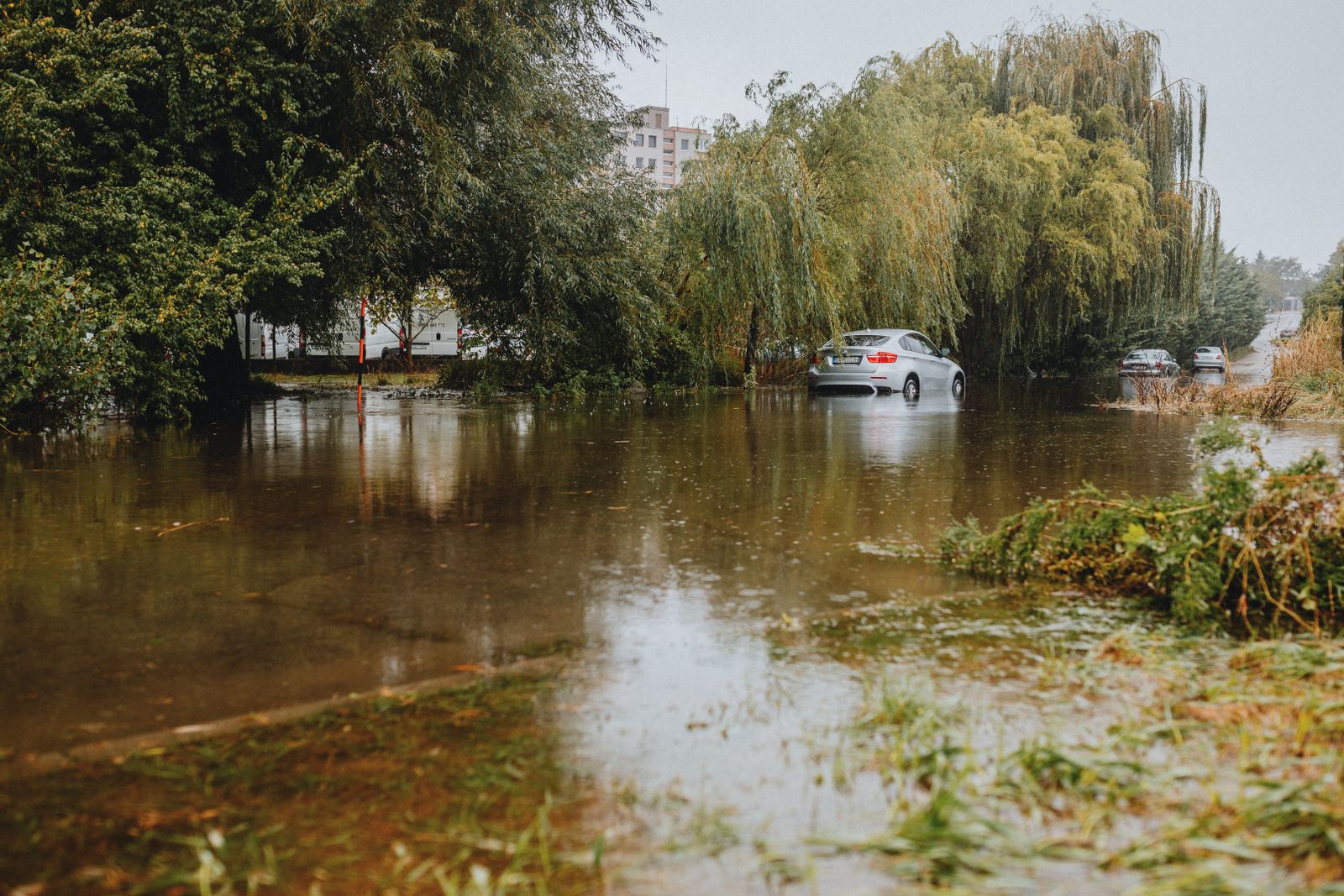
- Water came in from outside, from a creek, river, stormwater or overflowing drains
- Carpet, walls or the subfloor were soaked
- There is mud, silt or a sewage smell
- Anyone in the home is in a higher-risk health group
- You need clear documentation for an insurance claim
Our sewage and floodwater cleanup service covers extraction, removal of unsalvageable materials, sanitising and drying. We take photos, record moisture readings and provide an itemised scope and drying report your insurer can use, and we can work directly with your assessor. If there are holes in the roof or broken windows, we can also arrange make-safe repairs.
Get help with your flood cleanup
Floodwater cleanup is unpleasant, exhausting and easy to get wrong when you are stressed. If water has come into your home anywhere across Melbourne, call us any time, day or night, or use the form below to request a call back and we’ll talk you through the next steps.
Frequently asked questions
How long after a flood does mould grow?
Mould can start to grow within 24 to 48 hours in damp, warm conditions. That’s why extracting water and starting drying quickly matters. Bleach won’t fix mould in porous materials like plasterboard or carpet, and it doesn’t solve the moisture that caused it.
Does home insurance cover floodwater damage?
It depends on your policy. In Australia, “flood” has a standard definition and is often a separate cover from storm damage, so some policies include it and others don’t. Check your PDS and call your insurer to confirm what you’re covered for.
Can I keep carpet that was soaked by floodwater?
Carpet soaked by floodwater is usually not salvageable because the contamination soaks into the backing and underlay. Underlay is almost always replaced. Photograph it and keep a sample for your insurer before it’s removed.