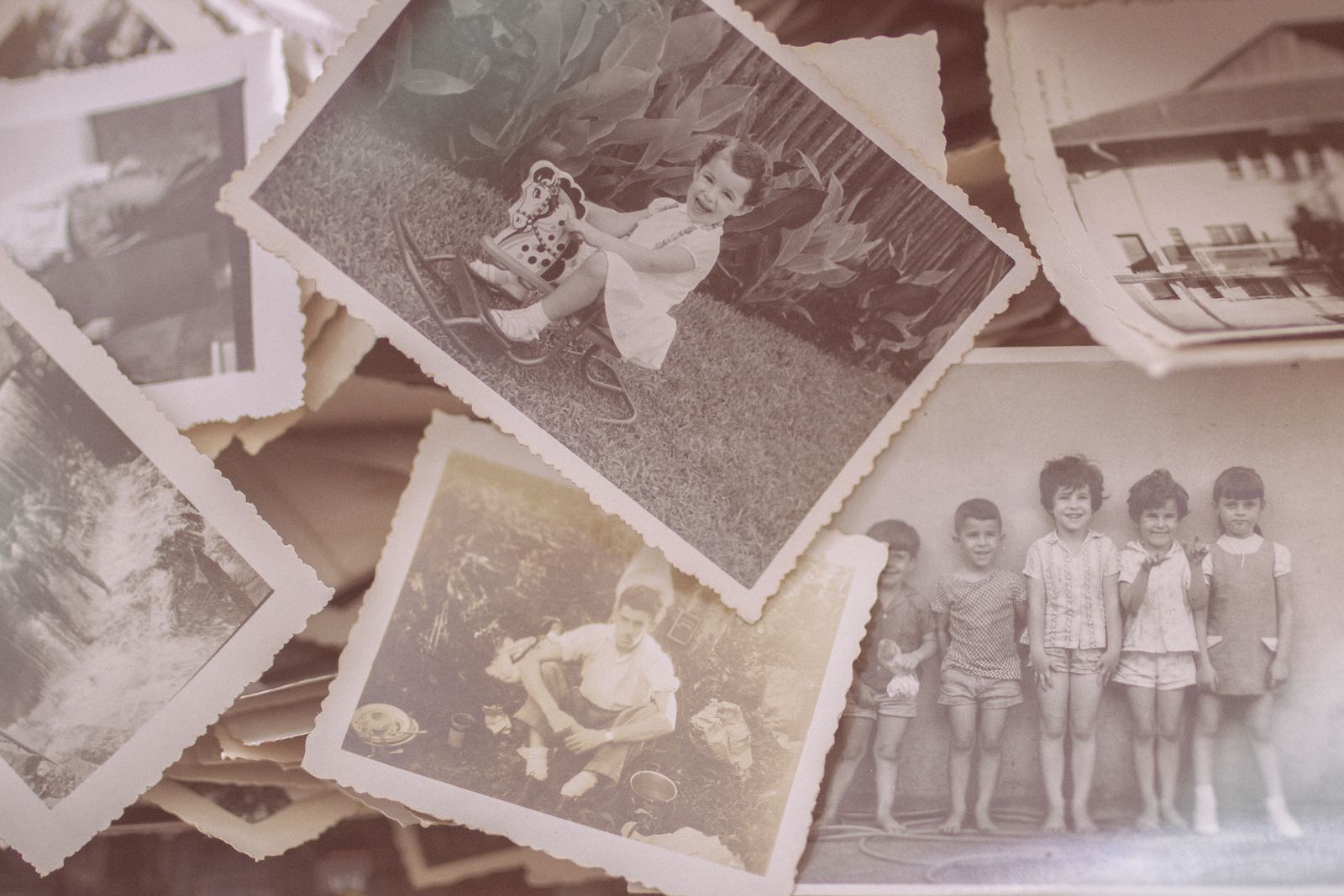
Water-damaged documents, photos and books can often be saved if you act within a day or two: keep them cool, handle them gently, separate what you can, and either air dry them flat in a well-ventilated room or freeze them to buy time. Don’t use heaters, hair dryers or the sun, and don’t try to pull stuck pages or photos apart while they’re wet. Mould can start within 24 to 48 hours in damp conditions, which is the main reason to move quickly. This post explains how to sort, dry and freeze paper items, and when to get professional help.
Can water-damaged documents be saved?
Often, yes. Paper is surprisingly tough when it’s handled carefully. How much you can save depends on:
- How long it’s been wet. The sooner you start, the better.
- The type of water. Clean water from a pipe is much easier to deal with than floodwater or sewage.
- The type of paper. Glossy or coated paper, like magazines and some book pages, tends to stick together as it dries.
- Whether mould has started. Once mould is growing, items need more careful handling.
Irreplaceable items such as family photos, certificates, letters and business records are worth the effort. Things you can easily replace or reprint are not.
What should you do first?
- Make the area safe. If the water came from a flood or sewage, wear gloves and keep items away from your face.
- Photograph damaged items for your insurance claim before you start drying or throwing anything out.
- Move items somewhere cool and dry, away from the wet area.
- Sort by priority: irreplaceable photos and documents first, then important records, then everything else.
- Keep wet items separate from dry ones so damp and mould don’t spread.
- Decide quickly: if you can’t dry everything within a day or two, freeze what you can’t get to.
Tip: Lay out clean towels or paper towel on a table before you start, so you have somewhere flat to work and drain items.
How do you dry wet photos?
Photos are often the items people care about most. They can be fragile when wet, so handle them by the edges.
- Rinse gently if dirty. If they’re covered in mud or floodwater, rinse them in a tray of clean, cool water. Don’t rub the surface.
- Separate if they come apart easily. If photos are stuck together or to an album page, don’t force them. Freeze them and get advice.
- Air dry face up on a clean towel or paper towel, not touching each other.
- Or hang them from a line by the edge with plastic pegs.
- Remove photos from frames if the glass is wet, otherwise the image can stick to it.
Expect some curling as they dry. That can often be flattened later.
How do you dry wet documents and books?
For loose documents:
- Lay pages flat on clean towels or paper towel in small stacks or single sheets.
- Replace the paper towel underneath as it gets damp.
- Run a fan in the room, but don’t point it directly at the paper.
- Once nearly dry, place them between clean sheets of paper under light weight, such as a book, to flatten them.
For books:
- Don’t open a soaked book wide or flip through the pages; the spine and pages can tear.
- Stand the book upright on paper towel with the covers slightly open, so it can drain.
- Interleave absorbent paper every 20 or so pages once it’s damp rather than dripping, and change it regularly.
- Lay it flat to finish drying and to stop the cover warping.
Glossy books and magazines can stick together permanently if they dry slowly. If they matter, freeze them and get professional advice.
Warning: Don’t use a heater, hair dryer, oven or direct sun. Fast drying causes curling, cracking and fading, and heat can encourage mould before the item is dry.
When should you freeze wet papers?
Freezing is the best way to buy time if you have too much to dry at once, or if items are stuck together or were soaked by contaminated water.
- Put items in freezer bags or wrap them in baking paper, with a label
- Keep similar items together, such as a bundle of letters or a single album
- Freeze them flat where you can
- Note what’s in each bag for your insurer
Freezing stops mould growing and stops further damage, and items can be dried later, either by you or by a specialist.
Do you need to throw away papers touched by sewage or floodwater?
Not always, but you need to be careful. Category 3 water (black water), such as sewage or rising floodwater, can carry bacteria. Wear gloves, rinse items in clean water if they’re sturdy enough, and dry them separately. Anything that can be replaced easily is usually better discarded.
If you feel unwell after handling contaminated items, see a GP. Our guide to clean, grey and black water explains the categories.
When to call a professional
You can dry a small number of documents, photos or books at home with the steps above. Get professional help if:
- There are large volumes of papers, books or archive boxes
- Business records or legal documents are affected
- Items are stuck together, mouldy or were soaked by floodwater or sewage
- The water damage also affects the room, carpet or walls
Our contents restoration service helps homes and businesses across Melbourne protect, document and restore belongings after water damage. We photograph and record items for your insurer, and if the room itself is wet, we can handle the structural drying at the same time. For very valuable or historic items, it’s also worth contacting a specialist paper or photograph conservator. Our insurance claim tips also explain how to document damaged contents.
Don’t give up on what matters
Water-damaged photos and documents can feel like they’re lost for good, but many can be recovered with patience and the right approach. If water has damaged your home or business and its contents, call us any time or use the form below to request a call back.
Frequently asked questions
How long can wet documents sit before they're ruined?
Mould can start within 24 to 48 hours in damp conditions, so try to dry or freeze wet papers within that time. Items left wet for longer can still sometimes be saved, but mould and staining become more likely.
Can I use a hair dryer to dry wet photos?
It’s best not to. Heat can make photos curl, crack or stick to whatever they’re touching. Air dry them face up on a clean towel or hang them by the edge instead.
Can mouldy books be saved?
Sometimes, depending on how much mould there is and how valuable the book is. Keep mouldy items separate, don’t brush mould off indoors, and freeze them if you can’t deal with them straight away. For valuable or sentimental books, get specialist advice.