Hiring a dehumidifier can be enough for a small, clean-water spill that you caught quickly, such as a damp patch of carpet in one room. It usually isn’t enough when water has soaked the underlay, run under walls or flooring, or sat for more than a day. The difference isn’t only the size of the machine: professional drying combines extraction, air movement, dehumidification and daily moisture readings, so you know the structure is dry rather than hoping it is.
Below we compare the two options honestly, including how to get the most out of a hired unit if you go the DIY route.
What does a dehumidifier actually do?
A dehumidifier pulls water vapour out of the air. It doesn’t suck water out of carpet, timber or plasterboard directly.
Drying works in a chain. Wet materials release moisture into the air, the air carries it away, and the dehumidifier removes it so the air can absorb more. If any link is weak, the whole process slows down. A single dehumidifier in a closed room with no airflow across the wet surface can run for days while the carpet underlay stays soaked.
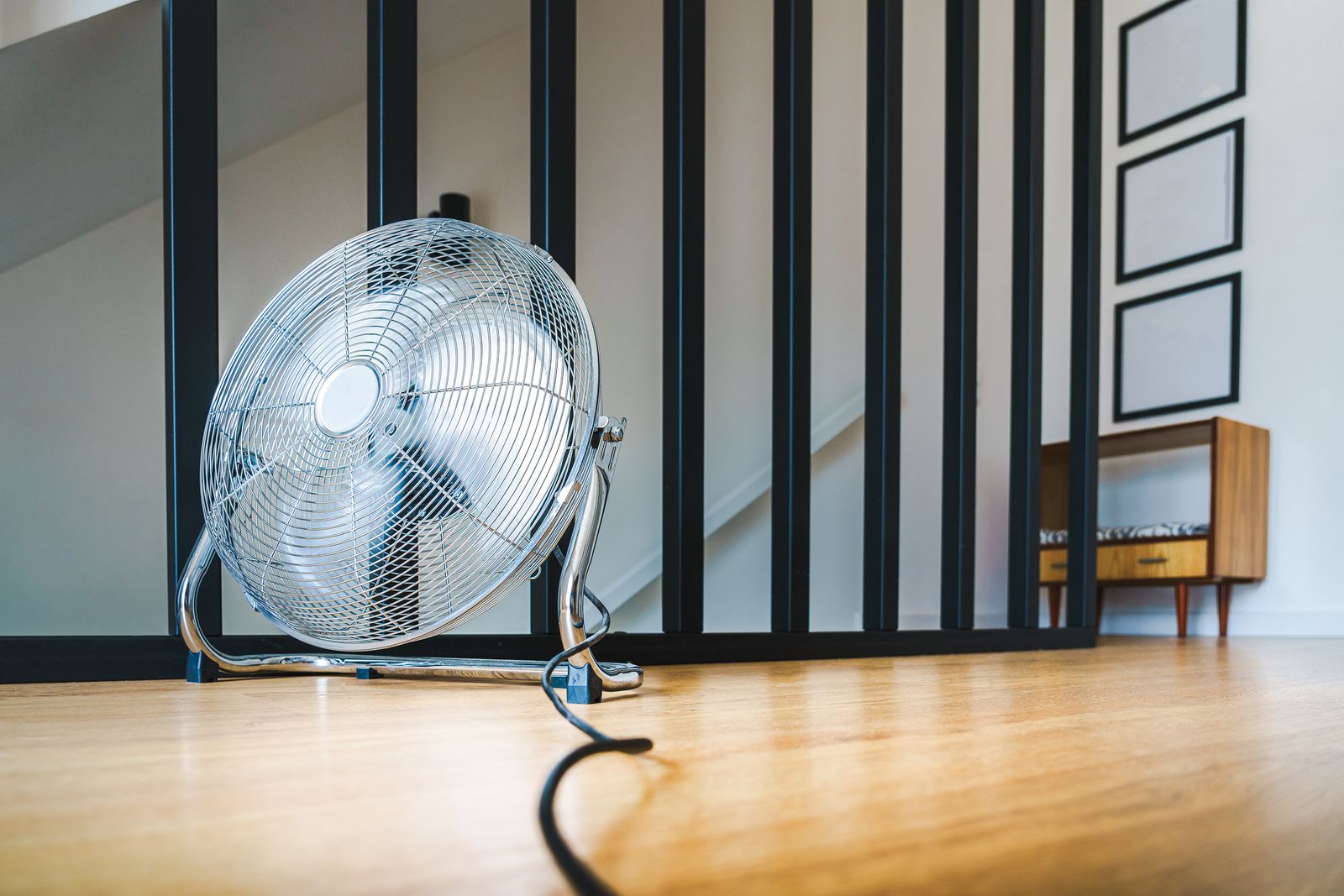
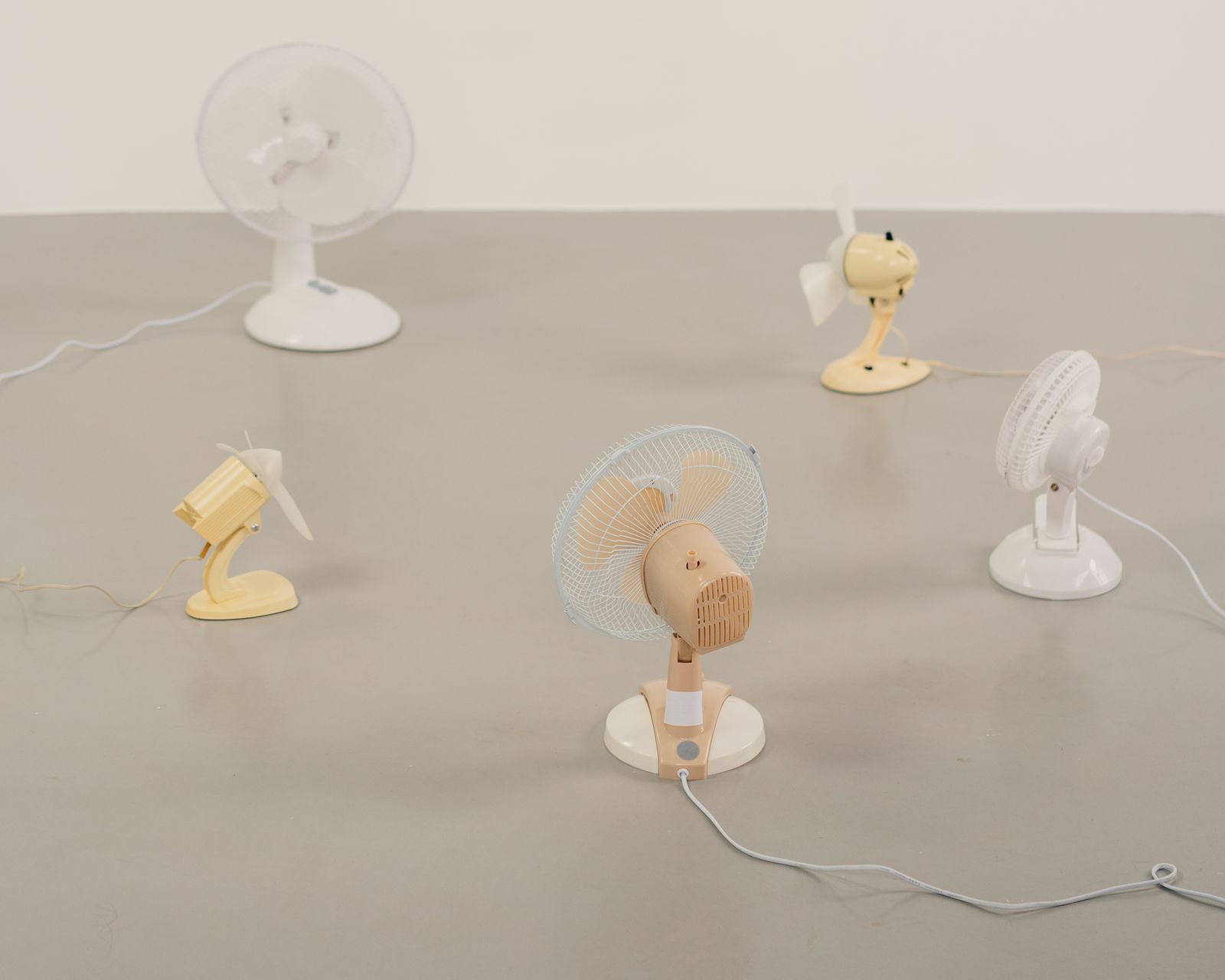
That’s why professional setups pair dehumidifiers with air movers, which are low, powerful fans aimed across wet surfaces to speed evaporation.
When a hired dehumidifier is usually enough
DIY drying is reasonable when all of these are true:
- The water was clean, such as from a supply pipe, a tap left running or a drink bottle.
- The wet area is small, roughly one part of one room.
- You found it quickly, ideally within hours rather than days.
- The carpet underlay isn’t saturated (press down hard with a dry towel; if water rises, it’s soaked).
- Walls, skirting boards and floating floors aren’t affected.
In those cases, a decent hired dehumidifier and a couple of fans can do the job.
How to dry a small area yourself: a step-by-step plan
If you’re going the DIY route tonight, this is the order that works best.
- Stop the water source and take photos before you start, in case you need to claim.
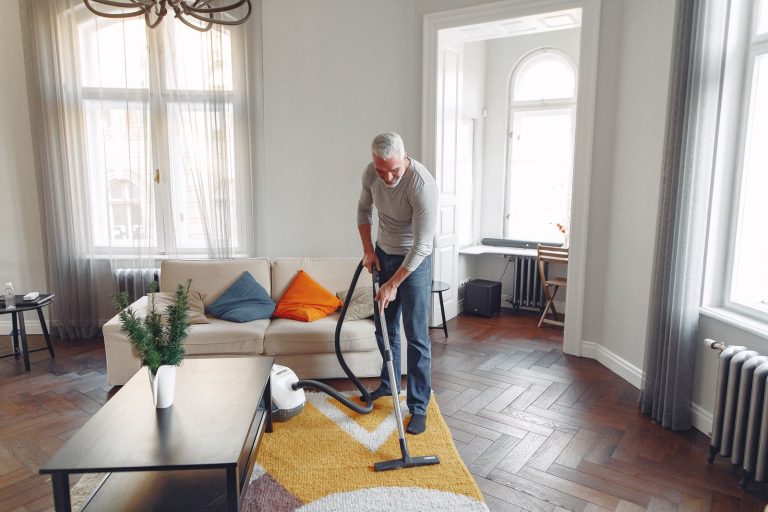
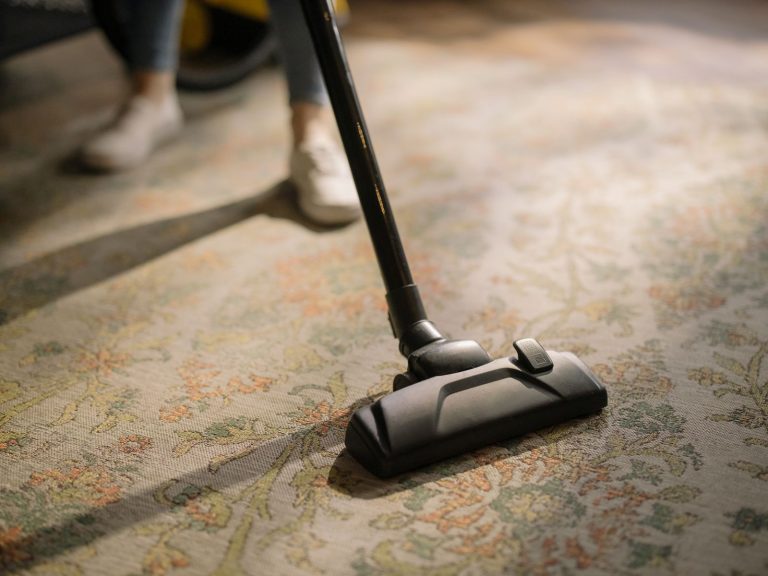
- Remove as much water as possible first. A wet vac pulls out far more than towels, and every litre you extract is a litre the dehumidifier doesn’t have to deal with.
- Move furniture off the wet carpet. Put foil or plastic under timber furniture legs if you can’t move it, to stop stains.
- Set up fans to blow across the wet surface, not straight down onto it.
- Close the room’s doors and windows once the dehumidifier is running, so it’s drying that room rather than the whole street. Leave windows open only if it’s dry and breezy outside.
- Empty the tank or set up the drain hose so the unit doesn’t switch itself off overnight.
- Check the carpet and the underlay each day. Lift a corner if you can do it without damaging the carpet.
- If it still feels damp or smells musty after two or three days, stop and call for help. That’s a sign moisture is deeper than you can reach.
Warning: Keep power leads and extension cords well away from standing water, and never plug in or touch appliances while you’re standing in water. If power points got wet, call an electrician first.
Why professional structural drying gets a different result
Structural drying is about drying the building, not just the room air. The main differences are:
- Measurement. We use moisture meters and thermal imaging to map where the water went, including inside walls and under floors. Without readings, it’s easy to stop drying too early.
- Extraction first. Commercial extraction equipment removes far more water from carpet and underlay than a domestic wet vac, which shortens drying time.
- Equipment matched to the job. Commercial dehumidifiers and air movers are sized to the volume of water and the materials involved, and positioned to move air into cavities and under flooring where needed.
- Daily monitoring. Readings are taken and adjusted each visit, so drying stops when the materials are at normal levels, not when the surface feels dry.
- Documentation. Photos, moisture readings and a drying report give your insurer evidence of what was wet and how it was dried.
Most drying jobs take around 3 to 5 days. Concrete slabs, timber floors and contaminated water usually take longer.
The risks of drying too slowly
The real cost of under-drying usually shows up later. Mould can start growing within 24 to 48 hours in damp conditions, often under carpet or behind skirting where you won’t see it. Carpet can delaminate, meaning the backing separates from the pile, and timber can cup or swell.
A lingering smell is often the first clue. If that’s what you’re dealing with, our article on why wet carpet smells explains the causes and fixes.
Under-drying can also complicate an insurance claim. If damage gets worse because drying was delayed or incomplete, some insurers may question the extra damage. Policies differ, so check your PDS and talk to your insurer early.
Questions to ask before you hire equipment
If you’re weighing up a hire shop against a restorer, ask yourself:
- Do I know how far the water spread, including under walls and flooring?
- Can I measure moisture, or am I relying on touch?
- Will my insurer accept DIY drying without readings or a report?
- Is anyone in the house asthmatic, elderly or immune-compromised, making mould a bigger concern?
If you can’t answer the first two with confidence, measured drying is the safer path. For a closer look at carpet specifically, read can wet carpet be saved.
When to call a professional
A hired dehumidifier is fine for a small, fresh, clean spill that dries within a couple of days and leaves no smell.
Book professional structural drying instead when the underlay is soaked, more than one room is wet, water has reached walls or floating floors, the water was grey or black, or the area has been wet for more than a day. If the carpet itself is the main issue, our wet carpet drying service focuses on lifting, extracting and drying carpet and underlay.
Not sure which camp you’re in? Call FRS any time or use the form below, and we’ll give you a straight answer about whether DIY is likely to work.
Frequently asked questions
How long should I run a dehumidifier after water damage?
Until the materials are dry, not just the air. Without a moisture meter that’s hard to judge, which is why people often stop too early. If carpet or walls still feel cool, damp or smell musty after a few days, the moisture is deeper than the unit is reaching.
Is a domestic dehumidifier as good as a commercial one?
Domestic units are designed for everyday humidity in a living space. Commercial restoration dehumidifiers are built to remove much larger volumes of water and run continuously, and they’re used with air movers. For a small spill a domestic unit can help; for a soaked room it’s usually outmatched.
Will insurance pay for professional drying?
Many home insurance policies cover drying when the damage itself is covered, such as a sudden burst pipe, but it depends on your policy and the cause. Check your PDS and call your insurer before major work. We can provide the photos, moisture readings and drying report they typically ask for.