Whether water-damaged furniture can be saved depends mostly on what it’s made of, what kind of water it touched and how quickly it’s dried. Solid timber, metal and plastic pieces often recover with cleaning and slow drying, while particleboard and MDF flat-pack furniture that has swollen usually can’t be fixed. Upholstered furniture soaked in clean water can sometimes be saved, but anything soaked by sewage or floodwater usually isn’t worth the risk. Wet electronics should never be switched on until they’ve been checked. This post goes through each type of item so you can decide what to keep, what to dry and what to photograph and let go.
What should you do with wet furniture straight away?
The first few hours make a big difference, especially for timber and upholstery.
- Photograph everything where it sits, including any brand labels, before you move it. Your insurer may want to see it.
- Lift furniture off wet carpet or floors. Put foil, plastic or timber blocks under legs so stains don’t transfer and the wood can stop wicking water.
- Remove cushions, drawers and doors so air can get into the frame.
- Wipe off excess water and mud, using clean water and a mild detergent on hard surfaces.
- Move items to a dry, well-ventilated room if you can, out of direct sun.
- Keep a list of damaged items with approximate age and where they were bought.
Tip: Don’t drag heavy timber furniture across wet carpet. It can tear the carpet and leave rust or dye stains from the legs.
Can solid timber furniture be saved?
Often, yes. Solid timber can swell when wet, but it usually settles back if it’s dried slowly and evenly.
- Dry it at room temperature with good airflow, not with heaters or in the sun. Fast drying can crack and warp it.
- Open drawers and doors and remove contents.
- White marks or cloudiness on polished finishes can sometimes be treated once it’s dry.
- Joints and veneers may lift, but a furniture restorer can often repair them.
Timber that has sat in sewage or floodwater for a long time is harder to sanitise, especially if it’s unsealed. It’s worth getting an assessment for valuable or sentimental pieces.
What about flat-pack, MDF and particleboard?
This is where many items are lost. Particleboard and MDF are made of compressed wood fibres and glue, and once water gets into them they swell, crumble and lose their strength. Common signs:
- Swollen edges, especially at the base of wardrobes, kitchen cupboards and bookshelves
- Laminate or veneer peeling away
- Screws and hinges pulling out
Light surface splashes that are wiped dry quickly may be fine. Swollen board generally doesn’t go back to its original shape, so it usually needs replacing. Photograph it first for your claim. If kitchen or vanity cabinets are swelling, there may also be water underneath; our post on water under laminate or hybrid flooring explains why.
Can a wet couch or mattress be saved?
It depends on the water.
Clean water (category 1), such as from a burst supply pipe, caught quickly: upholstered furniture can sometimes be saved with professional extraction, cleaning and drying. Foam and padding hold a lot of water, so a surface wipe isn’t enough.
Grey water (category 2), such as an appliance overflow: possible in some cases, but it needs cleaning and sanitising, and the decision depends on the fabric and how long it was wet.
Black water (category 3), such as sewage or floodwater: upholstered furniture and mattresses are usually not salvageable, because contamination soaks deep into the padding where it can’t be reliably cleaned.
If the item smells musty days later, moisture or mould is still inside. Our article on why carpet still smells after getting wet explains the same problem in floors.
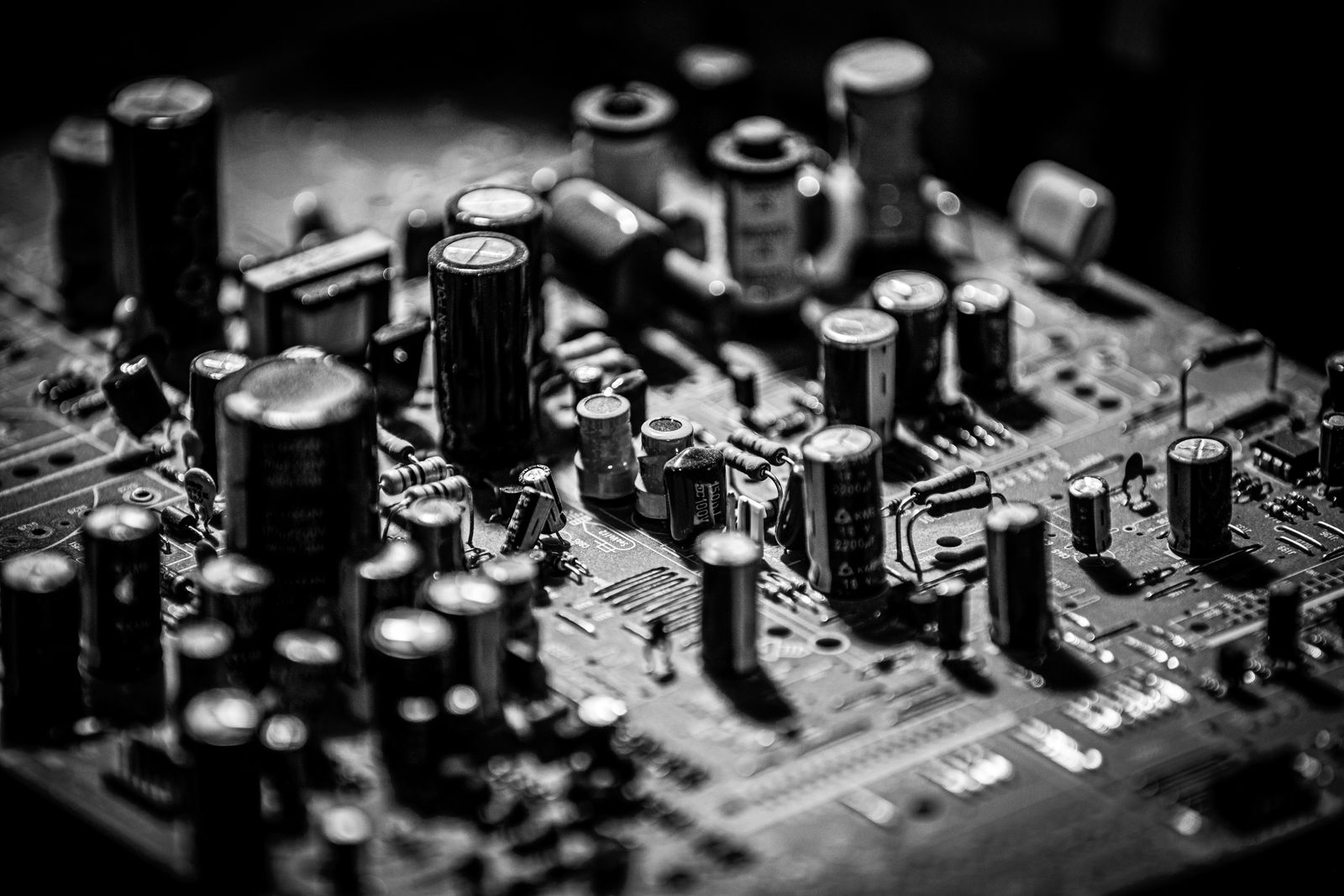
Is it safe to turn on water-damaged electronics?
No, not until they’ve been checked. Water can cause short circuits, corrosion and fire risk, even after an appliance looks dry.
- Don’t touch electronics or appliances while standing in water, and don’t unplug them from a wet power point.
- If it’s safe, switch off power at the switchboard from a dry spot, or wait for an electrician.
- Once power is off, unplug items and move them somewhere dry.
- Remove batteries from devices where you can.
- Don’t switch them on to “see if they still work”. This is when damage is often made worse.
- Have appliances checked by a qualified technician or licensed electrician before use.
Large appliances such as fridges, washing machines and dryers that were in floodwater usually need professional inspection. Energy Safe Victoria has general electrical safety information.
Tip: A bag of rice isn’t a reliable fix for a wet phone or laptop. Switch it off, remove the battery if you can, and take it to a repairer.
What else can usually be saved?
- Hard plastics, glass and metal can usually be cleaned and disinfected, even after contaminated water.
- Rugs may be saved with professional cleaning if the water was clean and they’re dried quickly.
- Clothing and linen soaked in clean water can usually be washed. Items soaked in floodwater or sewage need a hot wash with detergent, and anything heavily contaminated is often better discarded.
- Photos and documents can often be recovered; see our guide to saving water-damaged photos and documents.
When to call a professional
You can handle a few wet chairs, a side table or a small rug yourself with the steps above. Call a professional if:
- Large amounts of furniture or contents are affected
- Upholstered furniture or rugs were soaked
- The water was grey or black, from an appliance, a toilet, sewage or a flood
- You need help documenting contents for an insurance claim
- The room itself, including carpet, walls or floors, is also wet
Our contents restoration service helps homes and businesses across Melbourne sort, protect, clean and dry belongings after water damage. We photograph and list items for your insurer and give you a written scope before major work. If the house itself needs drying too, we can handle structural drying at the same time.
Save what’s worth saving
It’s tempting to throw everything on the nature strip after a flood or leak, but plenty of furniture can be saved, and the rest is easier to claim when it’s been documented properly. Call us any time, or use the form below to request a call back.
Frequently asked questions
Should I throw out water-damaged furniture straight away?
Not before you’ve photographed it and checked with your insurer. Many insurers want to see damaged items or have clear photos and details before they’re discarded. The exception is anything that’s a health hazard, such as food or items soaked in sewage, but photograph it first.
Can swollen MDF or particleboard be fixed?
Usually not. Once particleboard or MDF swells, it rarely returns to its original shape or strength. Light surface wetting wiped off quickly may leave no damage, but swollen edges and crumbling board generally mean the item needs replacing.
Will my insurance cover water-damaged furniture?
It depends on the cause of the water damage and your contents policy. Some causes, such as a burst pipe, may be covered while others, such as gradual leaks, may not. Check your PDS and talk to your insurer, and keep photos and a list of damaged items.