Water damaged plasterboard can often be dried in place, as long as the water was clean, the board hasn’t softened or sagged, and drying starts quickly. Once the board crumbles, bulges, or has been soaked by sewage or floodwater, it usually needs to be cut out and replaced. The hidden part of the problem is what’s behind the sheet: wet insulation, timber studs and bottom plates that keep holding moisture long after the surface feels dry.
This guide explains how to judge your walls, what you can do tonight, and how professional drying decides between saving and replacing.
Can wet plasterboard be saved?
Plasterboard is a gypsum core sandwiched between paper facings. Gypsum tolerates a short soaking from clean water reasonably well. The paper facing and the glue holding it on are the weak points.
Plasterboard is usually worth drying when:
- The water came from a clean source, such as a burst supply pipe or a leaking tap connection.
- The board still feels firm when you press it gently with your palm.
- There’s no visible swelling, bubbling paint or sagging.
- Drying can start within a day or two of the leak.
It usually needs replacing when:
- The board is soft, crumbly or has lost its shape.
- The water was grey or black water (more on that below).
- There’s visible mould growth on the face or the back of the sheet.
- The paper facing has delaminated or the joints have opened up.
Ceilings are a special case. Wet ceiling plasterboard can sag and fall without much warning, so treat any bowed ceiling as a safety issue first. Our guide to water coming through the ceiling covers that situation.
What does water do inside a wall?
Water wicks upward through plasterboard like a sponge. A leak at floor level can push moisture well above the puddle line, and the visible tide mark often sits lower than the real wet line.
Behind the sheet, water collects on the bottom plate (the timber the wall frame sits on) and soaks into insulation, which dries very slowly in a closed cavity. Paint also slows evaporation. So a wall can look fine from the room side while the frame stays wet for weeks.
What to do tonight if your walls are wet
You can’t fully dry a wall cavity by yourself, but you can stop things getting worse.
- Stop the water. Turn off the mains tap or the isolation valve feeding the leak.
- Check for electrical risk. If water has reached power points or light switches, don’t touch them. Turn off power at the switchboard only if you can reach it from a dry spot; otherwise call an electrician.
- Take photos of the walls, tide marks, skirting boards and the leak source before you move anything. Your insurer will want them.
- Pull furniture at least 30 centimetres away from wet walls so air can reach the surface.
- Remove wet skirting boards carefully if you can, which lets air into the base of the cavity. Keep them for the assessor.
- Lift any rugs or wet carpet that touch the wall, and soak up standing water on hard floors.
- Open windows if the air outside is drier than inside, and run fans across the wall surface, not into the cavity.
- Don’t paint, patch or seal anything yet. Sealing in moisture is one of the most common causes of mould later.
How professionals dry walls in place
The goal of structural drying is to get the frame, insulation and plasterboard back to their normal moisture levels without demolishing more than necessary.
We start by mapping the wet area with moisture meters and thermal imaging, which shows cooler damp zones that you can’t see with your eyes. That map tells us how far the water travelled and which walls are worth saving.
Common techniques include:
- Drilling small holes low on the wall, behind where the skirting sits, so dry air can be pushed into the cavity.
- Using air movers to keep air moving across the surface and dehumidifiers to pull moisture out of the room air.
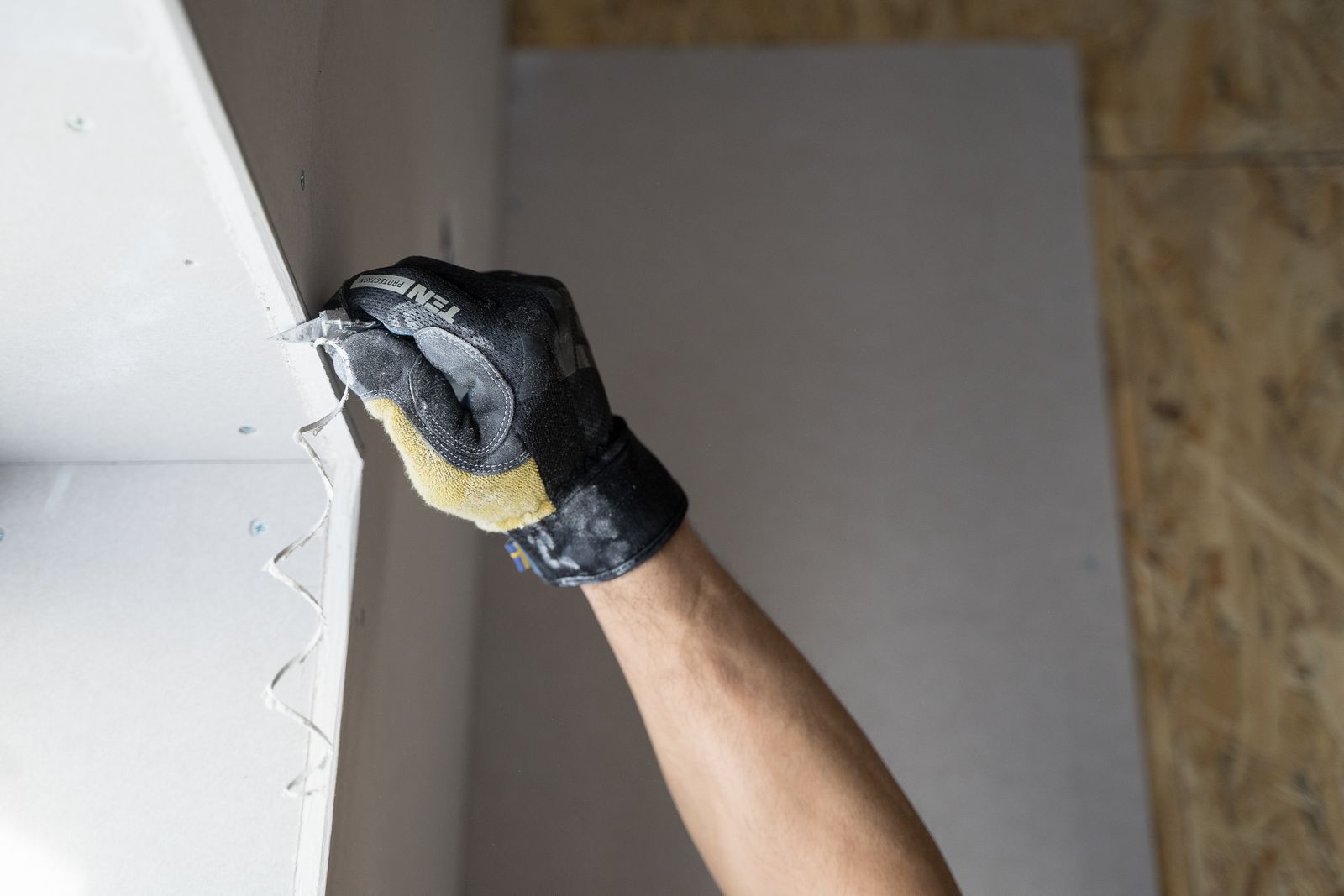
- Removing a strip of plasterboard at the base (a “flood cut”) when insulation is soaked and needs to come out.
- Taking daily readings so drying is measured rather than guessed.
Most drying jobs take around 3 to 5 days. Walls with soaked insulation, double-thickness plasterboard or tiled faces can take longer.
Does the type of water change the answer?
Yes, and it’s often the deciding factor. Restorers group water into three categories:
- Category 1 (clean): from a supply pipe, hot water service or tap. Plasterboard is often salvageable.
- Category 2 (grey): from a washing machine, dishwasher or overflowing shower. It carries some contamination. Plasterboard may be saved if it’s handled quickly and cleaned properly.
- Category 3 (black): sewage, or rising floodwater from outside. Porous materials it has soaked, including plasterboard and insulation, are generally removed rather than dried.
Clean water doesn’t stay clean forever: left sitting in a warm, closed room it can pick up bacteria, which is another reason speed matters.
Good to know: Mould can start growing within 24 to 48 hours in damp conditions. If you can smell mustiness or see spotting on the wall, mention it when you call so we can plan for it.
How do you know when a wall is actually dry?
Touch is not a reliable test. Plasterboard can feel dry on the surface while the core and the timber behind it are still wet.
A wall is considered dry when its moisture readings match an unaffected wall elsewhere in the house. We record those readings daily in the drying report, which helps your insurance claim and tells your plasterer when it’s safe to start. Repaint too soon and trapped moisture can blister paint and grow mould behind the new finish.
When to call a professional
A small splash on a wall from a quick leak that you caught straight away can usually be handled with fans, an open window and patience. Watch the area for a week or so for staining, bubbling or a musty smell.
Call in professional structural drying when:
- Water ran inside the wall for more than a few hours, or you don’t know how long it was leaking.
- More than one wall or room is affected.
- The board is soft, the ceiling is bowing, or insulation is wet.
- The water was grey or black.
- You need moisture readings and a drying report for an insurance claim.
If floors are wet too, it’s worth reading about how long it takes to dry a water-damaged house, since walls and floors usually dry together.
If you’re unsure whether your walls can be saved, call FRS any time or use the form below and we’ll talk you through it.
Frequently asked questions
Can I just paint over a water stain on plasterboard?
Only once the leak is fixed and the wall has been confirmed dry with a moisture meter. Painting over a damp wall traps moisture and often leads to blistering, a returning stain or mould behind the paint. Use a stain-blocking primer once it’s dry.
Does wet insulation behind the wall need replacing?
Usually, if it’s been soaked. Batts hold water and dry very slowly in a closed cavity, and they can harbour mould. Lightly damp insulation near a small leak can sometimes dry, but soaked or contaminated batts are normally removed.
Will my insurer pay to replace wet plasterboard?
It depends on your policy and what caused the damage, so check your PDS and call your insurer. Many insurers prefer drying in place where it’s possible, because it’s often less disruptive. Moisture readings and photos help show whether replacement is genuinely needed.