If your washing machine has overflowed, turn it off at the power point or switchboard from a dry spot, close the taps behind the machine, and mop or extract the standing water as quickly as you can. Wastewater from a wash cycle is usually treated as grey water, so wear gloves and clean hard surfaces with detergent. If water has spread into carpet, under a floating floor or into the bottom of walls, it needs proper drying, not just a mop.
Here’s how to clean up tonight and how to stop a laundry spill turning into swollen floors or mould.
What should I do first?
- Make it safe. Don’t touch the machine or power point while standing in water. Turn off the circuit at the switchboard if you can reach it from a dry area.
- Turn off the taps. The hot and cold taps behind the machine stop the inlet hoses feeding more water.
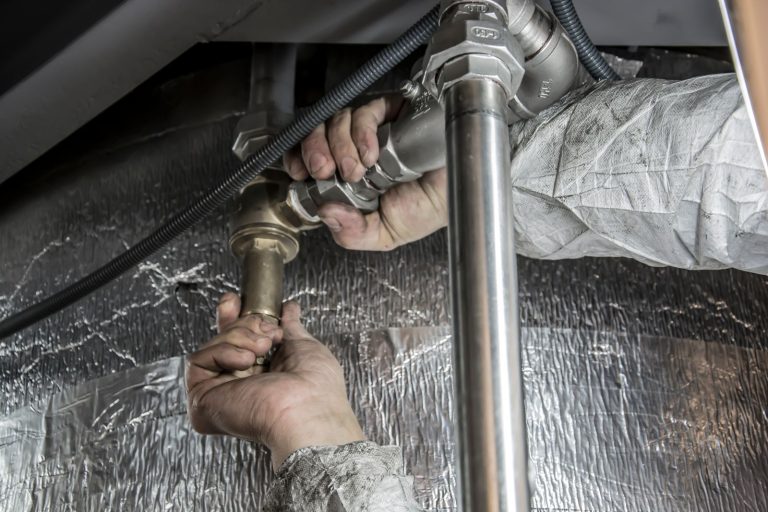
- Find the cause if you can see it: a split inlet hose, a dislodged drain hose, a blocked laundry tub or floor waste, or a fault inside the machine.
- Take photos of the water, the machine and any damaged hose before moving anything.
- Remove standing water with towels, a mop and bucket or a wet vac on hard floors.
- Lift anything on the floor in nearby rooms, including rugs, baskets and boxes.
- Check next door. Look at the carpet, skirting and floor in rooms that share a wall with the laundry.
Tip: Inlet hoses are under constant pressure. A split hose can let out a lot of water while you’re out, so it’s worth replacing old or bulging ones.
Is washing machine water clean or dirty?
It depends on where it came from.
- From the inlet hose (the supply side), it’s clean tap water.
- From the drum or drain hose, it’s wastewater containing detergent, lint and whatever came off the clothes. This is generally treated as grey water, or Category 2.
- If the laundry floor waste backed up, the water may have come from the drain system, which can be more contaminated.
Grey water isn’t sewage, but it can carry bacteria, and it gets worse the longer it sits. Wear gloves, keep young children and pets away, and wash hard surfaces with detergent and warm water. Our guide to clean, grey and black water explains why the category changes the cleanup.
Where does the water go after a laundry flood?
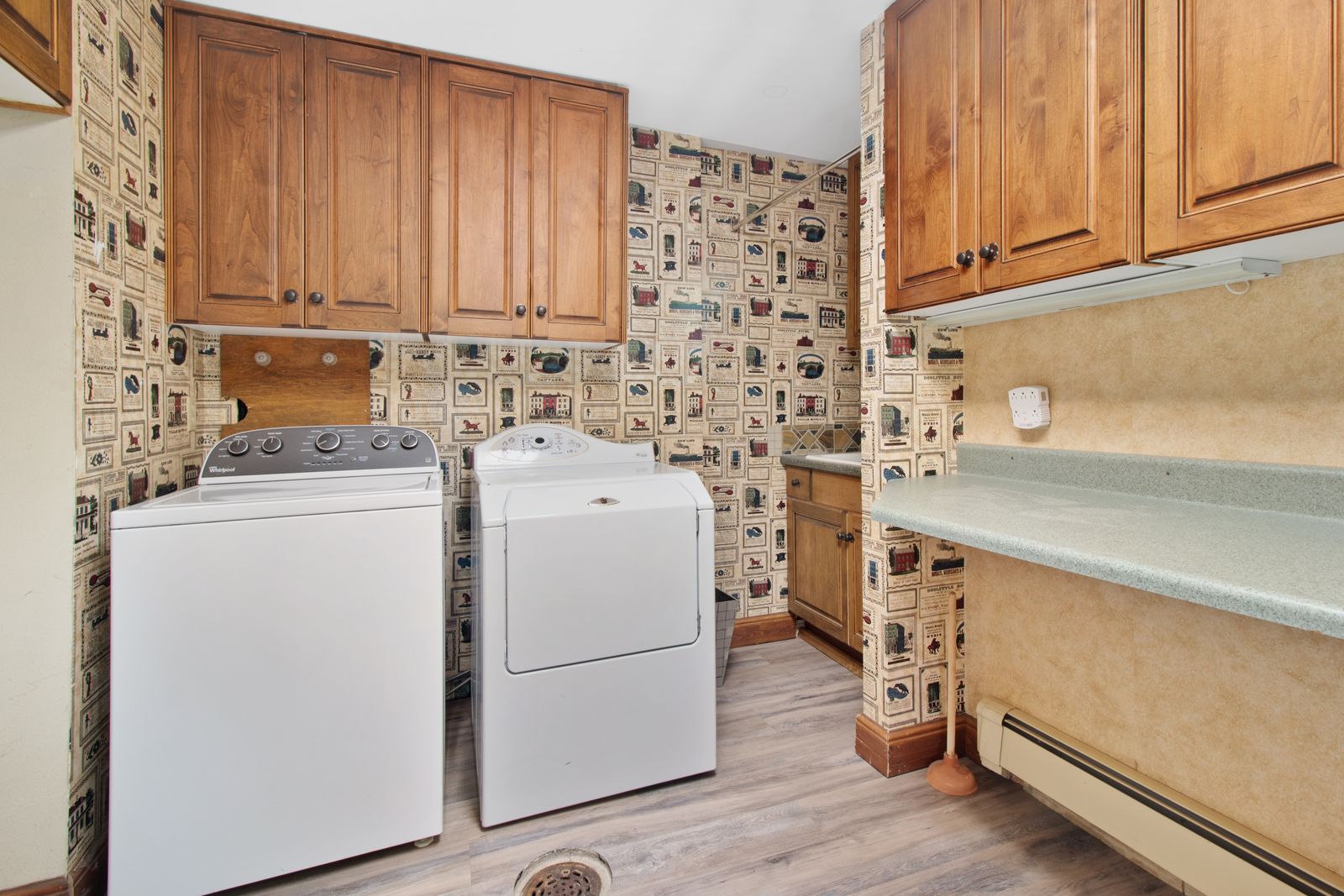
Laundries usually have tiled floors and a floor waste, so it’s easy to assume the water stayed there. Often it doesn’t.
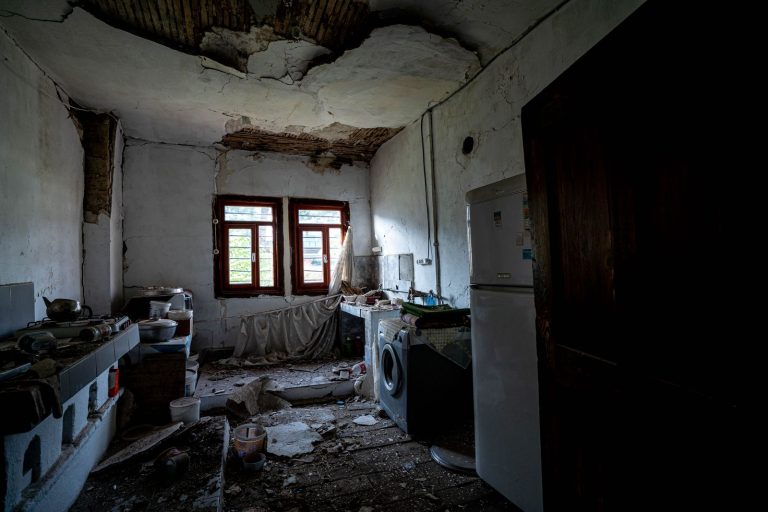
- Under the door into the hallway, where it reaches carpet or timber
- Under laminate or hybrid floors in adjoining rooms, which can trap water out of sight. See water under laminate flooring for the signs.
- Into wall cavities through gaps in skirting or tile grout
- Into cabinets, where particleboard bases and kickboards swell
- Through the floor in upstairs laundries and apartments, into the ceiling below
If your laundry is upstairs or in an apartment, check the ceiling of the room underneath and let the neighbour or building manager know.
How do I dry the laundry and nearby rooms?
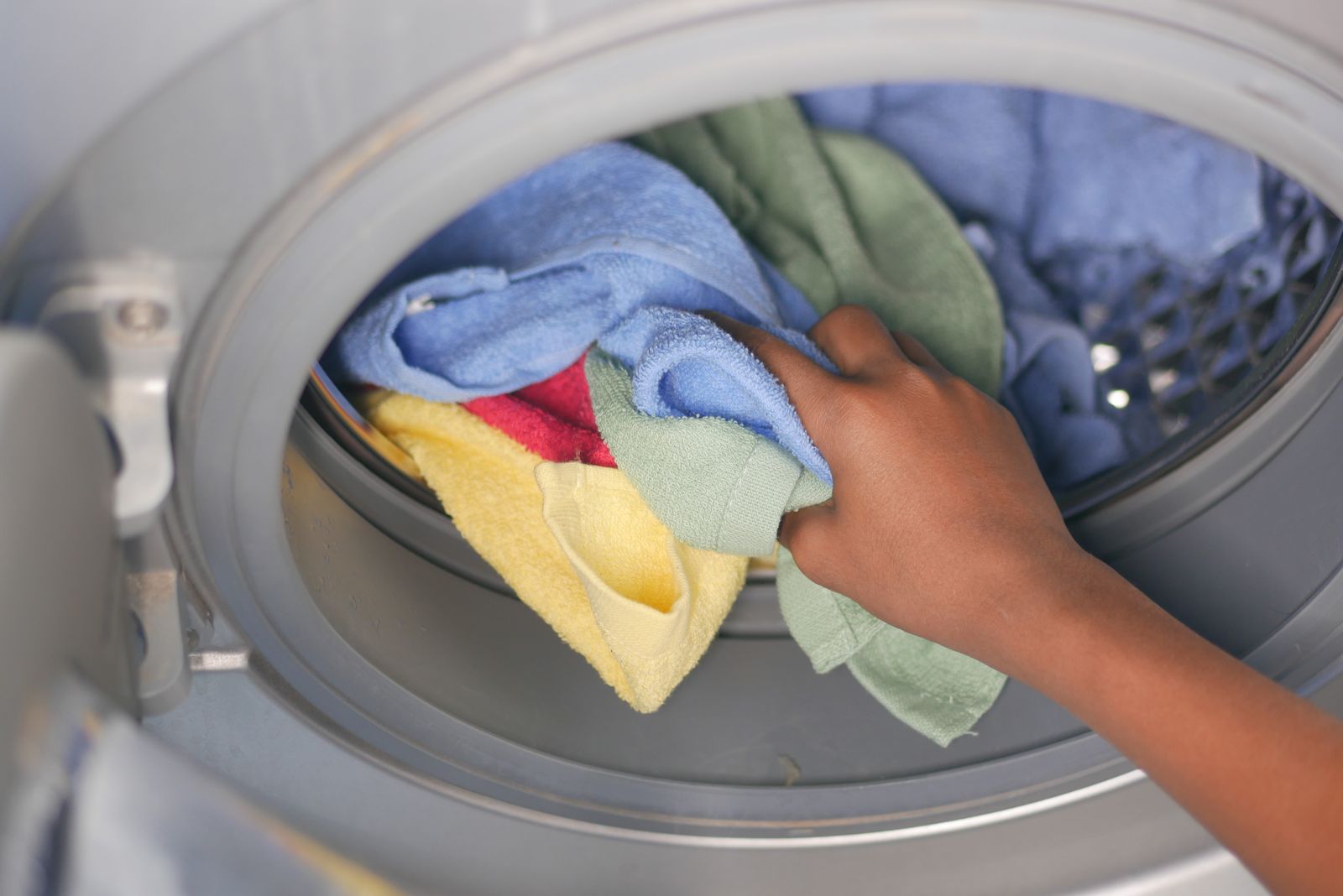
For a small spill on tiles that you caught straight away, these steps are usually enough.
- Mop and wipe until the floor is visibly dry.
- Open cabinet doors and pull out drawers.
- Run an exhaust fan and open a window if the weather is dry.
- Clean with detergent, then let surfaces air dry.
- Check skirting and cupboard kickboards over the next few days for swelling or a musty smell.
If carpet is wet, it’s a different job. The underlay underneath holds much more water than the carpet surface, and a household fan won’t dry it. Read can wet carpet be saved for what decides whether it can be kept.
Can wet carpet near the laundry be saved?
Often, yes. Carpet wet with clean or lightly contaminated water and treated quickly can usually be extracted, cleaned and dried in place. Delays make it harder, because underlay can break down, carpet backing can delaminate (separate from the top layer) and mould can start within 24 to 48 hours in damp conditions.
Carpet soaked by water that backed up from a drain, or that has sat for several days, may need the underlay replaced and the carpet sanitised, or both replaced.
When to call a professional
You can usually manage a spill that stayed on tiles and was cleaned up quickly.
Call a professional if:
- Water has reached carpet or rugs in another room
- You see swelling in skirting, cabinets or floorboards
- Water may have got under a floating floor or into the walls
- The laundry is upstairs and the ceiling below is marked or wet
- The water came from a backed-up floor waste or drain
- There’s a musty smell days later
FRS offers 24/7 wet carpet drying in Melbourne, including extraction, cleaning and sanitising after grey water spills. Where water has reached walls or subfloors, we use structural drying with moisture meters and thermal imaging to find and dry hidden moisture. We record photos and readings for your insurer and give you a written scope and price before major work.
Most laundry floods are caught early, and that gives you the best chance of saving carpet and floors. If water has spread further than the laundry, call us any time or use the form below to request a call back.
Frequently asked questions
Does home insurance cover a washing machine overflow?
Many policies cover sudden water damage from an appliance, often under “escape of liquid”, but the machine itself or a worn-out hose may not be covered. Check your PDS and call your insurer with your photos before major work starts.
Should I run the washing machine again after it overflowed?
Not until you know the cause. A split hose, faulty valve or blocked drain can repeat the overflow. Get the fault checked by an appliance technician or plumber first.
Why does my laundry smell musty after a flood?
A musty smell usually means moisture is still trapped somewhere, such as under the floor, behind skirting or in cabinet bases. It can be an early sign of mould. A moisture meter can find where it’s still wet.