If water is coming through your ceiling, keep people out from under the wet area, turn off power to that part of the house at the switchboard if you can do so from a dry spot, and put a bucket under the drip. A sagging or bulging ceiling can collapse, so don’t stand under it. Then work out the likely source: a roof leak in rain, a burst or leaking pipe above, or an overflow from a bathroom or apartment upstairs.
Here’s how to tell which it is, what to do tonight and when it needs a make-safe.
Is a leaking ceiling dangerous?
It can be. The two main risks are electrical and structural.
- Electrical: water often finds its way to light fittings, downlights and ceiling fans. If water is dripping near any fitting, don’t use those switches. Turn off the lighting circuit at the switchboard from a dry place, or call an electrician if you’re unsure. Energy Safe Victoria has general safety advice.
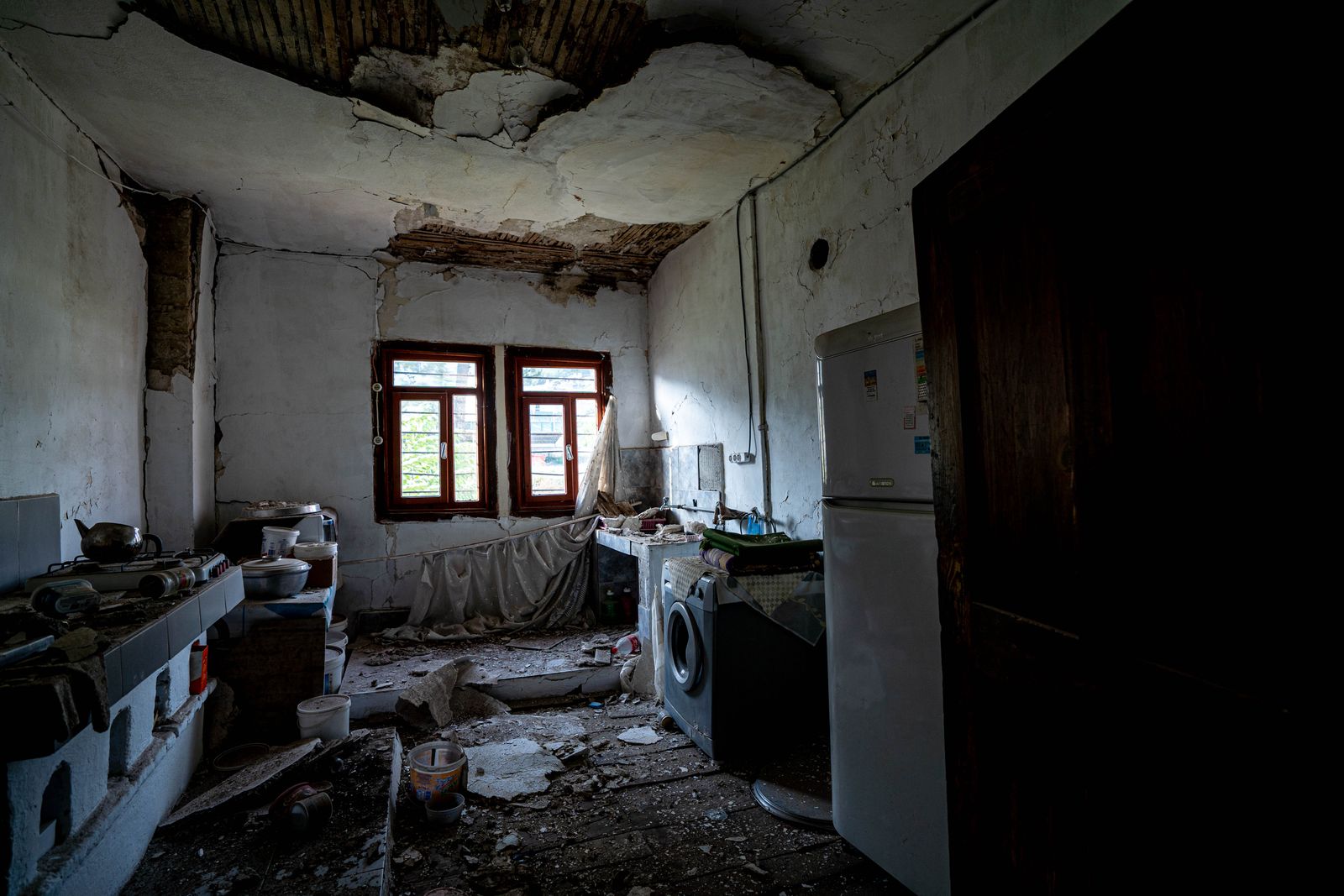
- Structural: plasterboard gets very heavy when it soaks up water. A ceiling that’s bulging, cracked or sagging can give way without much warning.
Clear the room of people and pets, and move furniture and electronics out of the way if you can do so without standing under the wet section.
Warning: If a ceiling has collapsed, or you think part of the roof structure is damaged, stay out of the room and call 000 if anyone is hurt.
What should I do right now?
- Keep everyone out from under the wet patch.
- Turn off the power to lights in that area at the switchboard, if you can do it safely from a dry spot.
- Turn off the water at the mains if the leak might be from a pipe, rather than rain.
- Catch the water. Put down buckets and towels, and cover the floor with a plastic sheet or tarp.
- Photograph the ceiling and the room from a few angles, including any stains, bulges and the water on the floor.
- Call the right trade. A plumber for a pipe, a roofer or make-safe service for a storm leak, or your building manager if the water comes from upstairs.
Where is the water coming from?
Working out the source tells you who to call and what to tell your insurer.
It’s raining
Water through the ceiling during or straight after rain usually points to the roof: a cracked or slipped tile, damaged flashing, rusted sheeting, or gutters and box gutters that have overflowed into the roof space. Read storm damage and roof leaks for what to do when the roof is the problem. Don’t climb onto a wet roof yourself.
It’s not raining
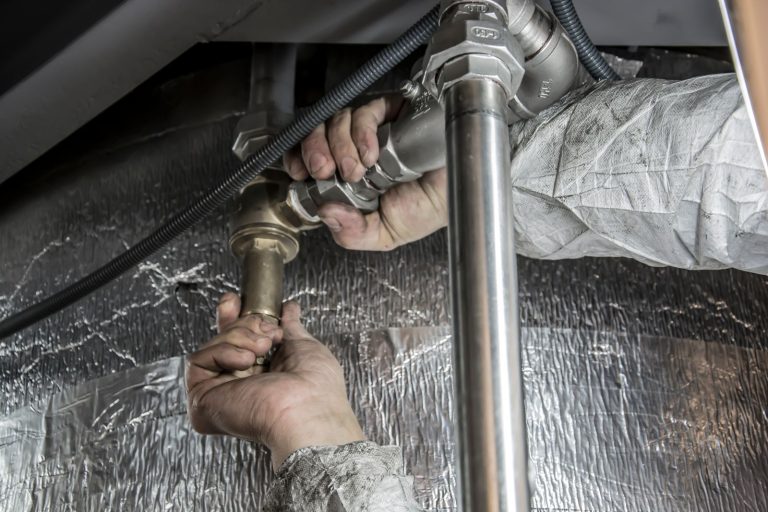
If the sky is clear, a pipe is the usual suspect. Hot water units in the roof, plumbing to an upstairs bathroom, or an old or corroded pipe can all leak into the ceiling. Turning off the mains and seeing if the drip slows is a useful clue. Our burst pipe guide covers the steps.
There’s a bathroom or apartment above
A failed shower seal, an overflowing bath or a leaking toilet connection above can come through the ceiling below. In apartments, it may be the neighbour’s unit or common property. See water leaking from the apartment above for who to contact and who’s likely to pay.
Should I poke a hole in a bulging ceiling?
You’ll see this advice online, and it’s sometimes done by tradespeople to relieve a ceiling holding a pocket of water. It does carry risks: the water can come down all at once, the ceiling can tear further, and there may be wiring or a light fitting close by.
If you’re not confident, leave it. Keep the room clear and get a professional to make it safe. If a contractor does drain a bulging ceiling, they’ll make sure the power is off, the area underneath is protected and the water is contained.
Can a wet ceiling be dried, or does it need replacing?
It depends on how long it was wet, how much water it held, and what the water was.
- A small stain that dries quickly with no sagging can often be dried, sealed with a stain-blocking primer and repainted.
- Plasterboard that has sagged, softened or crumbled usually needs to be cut out and replaced.
- Insulation in the roof space that has been soaked often needs to come out, because it holds moisture against the ceiling and can go mouldy.
- Water from a toilet or waste pipe is contaminated, and affected ceiling materials are generally removed.
Because water spreads along ceiling joists and into wall cavities, the damage is often bigger than the stain suggests. Structural drying with moisture readings shows how far it has gone, so you don’t end up with mould in the roof space later.
When to call a professional
A single small drip that stops once the cause is fixed, leaving a faint stain on a ceiling that stays firm, may only need monitoring and a repaint later.
Call a professional when:
- The ceiling is sagging, cracked, bulging or soft
- Water is near light fittings or downlights
- The leak came from a storm and the roof needs temporary protection
- You can’t find the source
- The ceiling has been wet for more than a day or two, or you can smell mustiness
FRS provides 24/7 make-safe and repairs across Melbourne. That can include making a damaged ceiling safe, removing soaked plasterboard and insulation, drying the cavity and arranging repairs once everything is dry. We document the damage with photos and moisture readings for your insurer and give you a written scope and price before major work.
A ceiling leak rarely fixes itself, and the longer it goes, the more of the ceiling and roof space gets wet. If you’ve made the room safe and want help working out what’s next, call us any time or use the form below.
Frequently asked questions
Does insurance cover water coming through the ceiling?
It depends on the cause and your policy. Sudden storm damage or a burst pipe is often covered, while gradual leaks, poor maintenance or wear and tear may be excluded. Check your PDS and call your insurer with your photos.
How do I know if the ceiling might collapse?
Warning signs include a visible bulge or dip, cracks spreading from the wet area, soft or spongy plaster and water pooling above the ceiling. If you see any of these, keep everyone out of the room and get it made safe.
Can mould grow in the ceiling after a leak?
Yes. Roof spaces and ceiling cavities can stay damp and dark long after the leak stops, and mould can start within 24 to 48 hours in those conditions. Drying the area properly and checking it with a moisture meter is the best way to prevent it.