When you call an emergency water damage service, the team should first make the property safe, find and stop the source of the water, and measure how far the moisture has spread. Then they extract standing water, set up drying equipment and record everything for your insurer. Over the next few days they come back to check moisture levels until the building is dry, and give you a report at the end.
Here’s what that looks like in practice on an FRS call-out, and what you can do to get ready.
What will you ask me on the phone?
The first call is about understanding the job so the right equipment comes. We’ll usually ask:
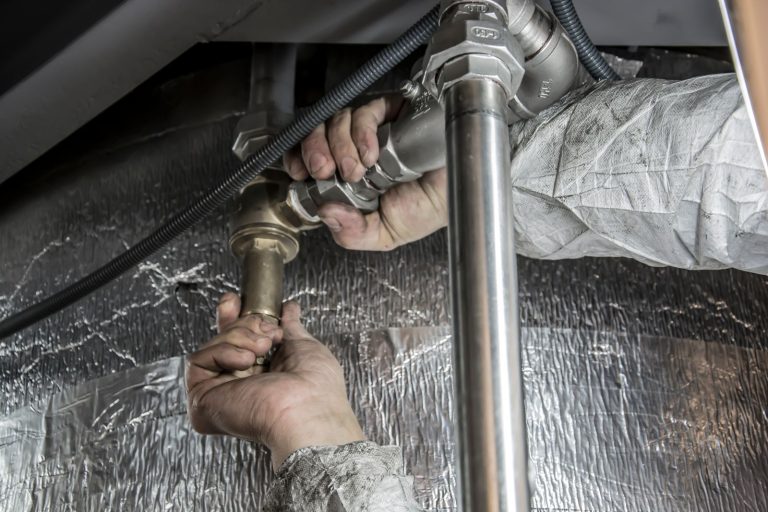
- Where the water came from (a pipe, appliance, roof, storm, drain or toilet)
- Whether the source has been stopped and the water turned off
- Which rooms and floor types are affected: carpet, timber, tiles, floating floors
- Whether water has reached walls, ceilings or more than one level
- Whether the power is safe, and if anyone in the home is vulnerable
- Whether you’ve contacted your insurer, and your claim number if you have one
Don’t worry if you don’t know all the answers. Rough information is fine.
How should I prepare before the team arrives?
- Stop the water at the mains or appliance if it’s safe.
- Keep clear of electrics that are wet, and don’t touch the switchboard while standing in water.
- Take photos and video of every affected area before anything is moved.
- Lift small valuables like photos, documents and electronics to a dry place.
- Clear a path to the affected rooms and somewhere to park near the entry, if you can.
- Have your insurance details handy, including your policy number and claim number.
- Keep pets secured so equipment can be carried in safely.
What happens when the team arrives?
A safety check
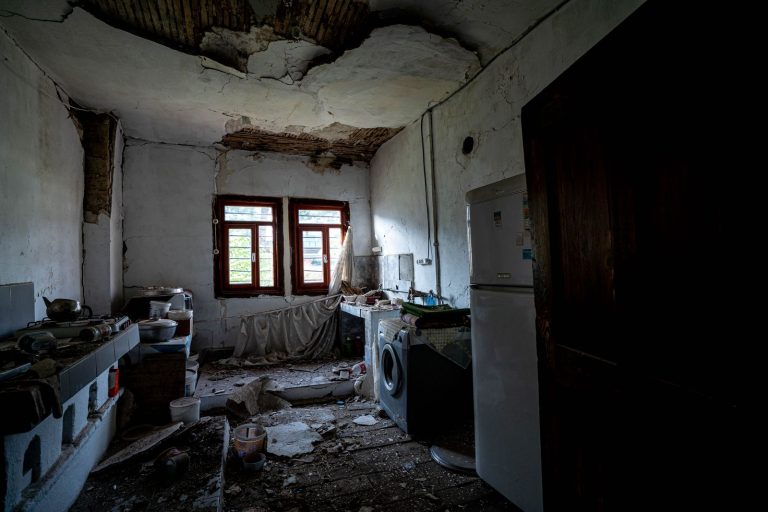
Before any equipment goes in, we look for hazards: wet electrics, sagging ceilings, slippery floors and any sign the water is contaminated. If something needs an electrician or plumber first, we’ll tell you.
Finding where the water went
Water rarely stays where you can see it. We use moisture meters and thermal imaging cameras to check carpet, underlay, skirting, walls and subfloors, and map the wet areas. This shows how far the water has travelled behind walls or under floors, so nothing gets missed.
Photos and readings
We photograph the damage and record moisture readings at the start. This becomes the baseline for the job and part of the paperwork your insurer will want.
What does water extraction involve?
Extraction is about getting the bulk of the water out as fast as possible, because water left in place keeps soaking in.
Depending on the job, it can involve:
- Extraction units that pull water out of carpet and underlay
- Pumps for deeper standing water
- Lifting carpet to dry underlay and the floor beneath, where that’s needed
- Removing materials that can’t be saved, such as swollen particleboard, soaked insulation or underlay contaminated by black water
We’ll explain what we recommend removing and why, and get your OK (and your insurer’s, where needed) before major work. You’ll get a written scope and price before anything major starts. If you’re unsure about timing with your insurer, see should you wait for the insurance assessor.

How does the drying stage work?
Once the water is out, the drying starts. This usually means air movers to move air across wet surfaces, and dehumidifiers to pull the moisture out of the air. In some cases, wall cavities or subfloors need targeted drying.
The equipment usually stays running day and night. It’s noisy, but it’s what gets materials dry. We’ll come back to take moisture readings and adjust the setup as things dry.
Most drying jobs take around 3 to 5 days. Concrete slabs, timber floors and contaminated water usually take longer. Our structural drying page explains the process in more detail.
Tip: Don’t turn the equipment off or move it around without checking with us. Small changes can slow the drying down.
What do I get at the end?
When readings show the building is dry, we remove the equipment and give you documentation for your claim. That generally includes:
- Photos from the start, during and end of the job
- Moisture readings from each visit
- An itemised scope of the work done
- A drying report for your insurer or assessor
If repairs are needed, like new plasterboard, skirting or flooring, we can help arrange them. Our guide to water damage insurance claims covers how to use this paperwork.
When to call a professional
A small clean-water spill on tiles that you’ve mopped up doesn’t need a call-out.
Call for emergency help when:
- Water has soaked carpet, wet walls or reached more than one room
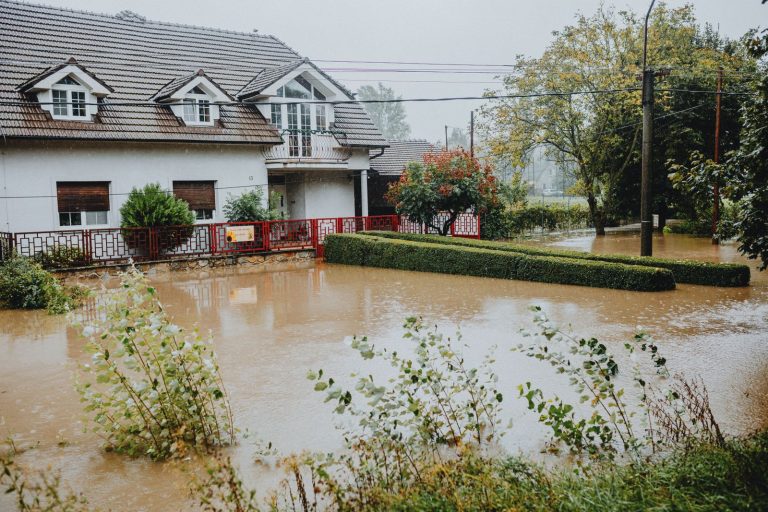
- It came from a storm, flood, drain or toilet
- Water is under floating floors or coming through the ceiling
- You can’t stop the source or find where it’s coming from
- You need documentation for an insurance claim
FRS offers 24/7 emergency water extraction across Melbourne for homes, rentals, strata and businesses. You can check the suburbs we cover on our service areas page. If you’re comparing companies, our guide on how to choose a water damage restoration company lists the questions worth asking.
You don’t need to have everything sorted before you call. Make the house safe, take a few photos, then call us any time or request a call back using the form below.
Frequently asked questions
Do I need to be home during the call-out?
Ideally, yes, at least for the first visit, so we can walk through the damage with you and agree on the scope. For later monitoring visits, we can often work around your schedule.
Can you deal with my insurer directly?
Yes, we can work directly with your insurer or assessor and provide the photos, moisture readings, itemised scope and drying report they need. It’s still a good idea to report the claim to your insurer yourself as soon as possible.
Will I get a price before work starts?
Yes. Emergency steps to stop the damage spreading may start straight away, but you’ll get a written scope and price before any major work.