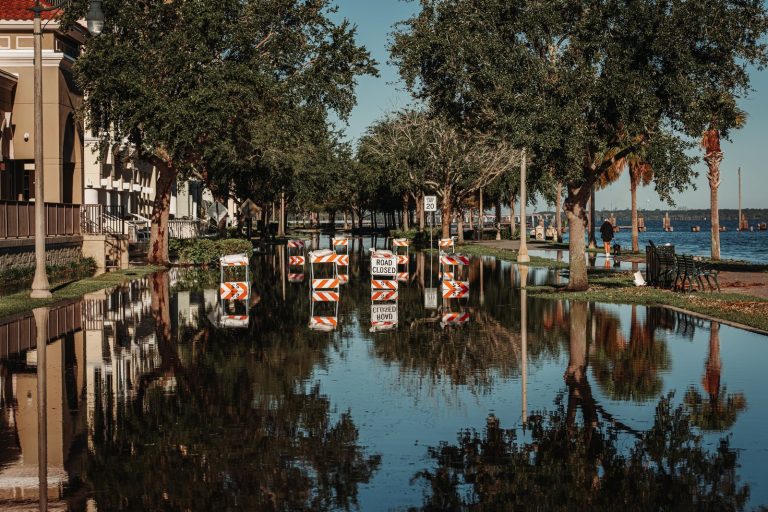
Home insurance often covers sudden water damage, such as a burst pipe, a failed hot water system or an appliance hose that splits, usually under a section called “escape of liquid”. It’s less likely to cover damage from slow leaks, wear and tear or poor maintenance. Flood damage from rivers and creeks is a separate definition and may or may not be included in your policy. The answer for your home is in your Product Disclosure Statement (PDS), so check it and call your insurer early.
Here’s how the main types of water damage are usually treated, and what you can do to support your claim.
What does “escape of liquid” mean?
Escape of liquid is the policy term most insurers use for water (or other liquid) that suddenly leaks from a fixed pipe, tank, appliance or fixture inside your home. Typical examples:
- A burst or split water pipe
- A hot water system that ruptures
- A washing machine or dishwasher hose that fails
- A leaking connection under a sink or toilet that floods the floor
The key word in many policies is “sudden”. A pipe that bursts overnight is a very different claim to a shower that’s been leaking into the wall for months. If a pipe has just burst, our burst pipe guide covers what to do first.
What water damage is often not covered?
Exclusions vary, but these come up often:
- Gradual leaks that have been going on for weeks or months
- Wear and tear, rust, corrosion or failed waterproofing
- Poor maintenance, such as blocked gutters that overflowed
- Rising damp and general dampness or condensation
- Mould that developed over time, rather than straight after an insured event
- The cost of fixing the pipe or appliance itself, which some policies treat separately from the damage the water caused
Some policies also limit or exclude the cost of finding a hidden leak. Others include it. That’s why reading your own PDS matters more than general advice.
Is flood damage covered?
In Australia, “flood” has a standard definition in home insurance: the covering of normally dry land by water that has escaped or been released from the normal confines of a lake, river, creek or other natural watercourse, reservoir, canal or dam.
Many policies treat this differently from storm damage, such as rain getting in through a damaged roof or stormwater runoff. Some include flood cover automatically, some let you remove it, and some exclude it. Our guide to flood vs storm vs escape of liquid explains why the wording matters so much when you lodge a claim.
Good to know: If you’re not sure whether your damage counts as flood, storm or escape of liquid, describe what happened factually and let the insurer assess it. Photos of where the water came from help.

How do I give my claim the best chance?
Insurers generally expect you to act reasonably to stop the damage getting worse. These steps help both your home and your claim.
- Stop the source. Turn off the water at the mains or the appliance.
- Photograph and video everything before you move or throw anything out, including the source of the leak.
- Keep damaged items until your insurer says you can dispose of them, or photograph them clearly if they’re a health risk.
- Ask the plumber to record the cause on their invoice or report.
- Call your insurer early and write down your claim number, the date and who you spoke to.
- Ask what they’re happy for you to arrange before an assessor visits, such as emergency extraction and drying.
- Keep every receipt for emergency work, equipment or accommodation.
Not sure whether to wait for the assessor? Read should you wait for the insurance assessor before drying out.
Why does proper drying matter for the claim?
Drying a house properly protects you from a second round of damage that may be harder to claim, such as mould or swollen floors that appear weeks later.
A good drying job is also well documented. Moisture readings taken at the start and on each visit show the insurer what was wet, how it was dried and when it reached normal levels. Our tips on water damage insurance claims cover the paperwork in more detail.
What if I rent, or my claim is rejected?
If you rent, your landlord’s building insurance usually deals with damage to the building, while your own contents insurance (if you have it) covers your belongings. Tell your landlord or agent straight away. See renting and your place floods and Consumer Affairs Victoria for your rights.
If you disagree with your insurer’s decision, ask for the reasons in writing and use their internal complaints process first. If that doesn’t resolve it, you can contact the Australian Financial Complaints Authority, a free, independent service.
When to call a professional
If a small leak only wet a tiled floor and you dried it the same day, you may not need to claim at all. Your excess might be more than the damage.
Call a professional when water has reached carpet, walls, cabinetry or floors, when you can’t see how far it spread, or when your insurer needs moisture readings and a drying report.
FRS provides 24/7 structural drying across Melbourne for burst pipes and leaks, starting with water extraction. We use moisture meters and thermal imaging, take photos and readings at every stage, and give you an itemised scope and drying report for your insurer. We give a written scope and price before major work, and can work directly with your insurer or assessor.
Insurance wording can be confusing when you’re standing in a wet house. We can’t tell you what your policy covers, but we can document the damage properly and work with your insurer. Call us any time or use the form below.
Frequently asked questions
Does insurance cover a slow leak?
Often not. Many policies exclude damage from leaks that happened gradually over time, or from wear and tear. Some cover the sudden part of a leak once it’s discovered. Check your PDS and ask your insurer.
Will my insurer pay for drying equipment?
If the damage is from an insured event, emergency drying is commonly part of the claim, because it stops the damage getting worse. Ask your insurer what they need before work starts and keep all invoices and reports.
Is mould covered by home insurance?
It depends on the policy. Mould that results directly from a sudden insured event may be included, while mould from long-term damp or condensation is commonly excluded. Drying promptly after a leak is the best way to avoid the problem.