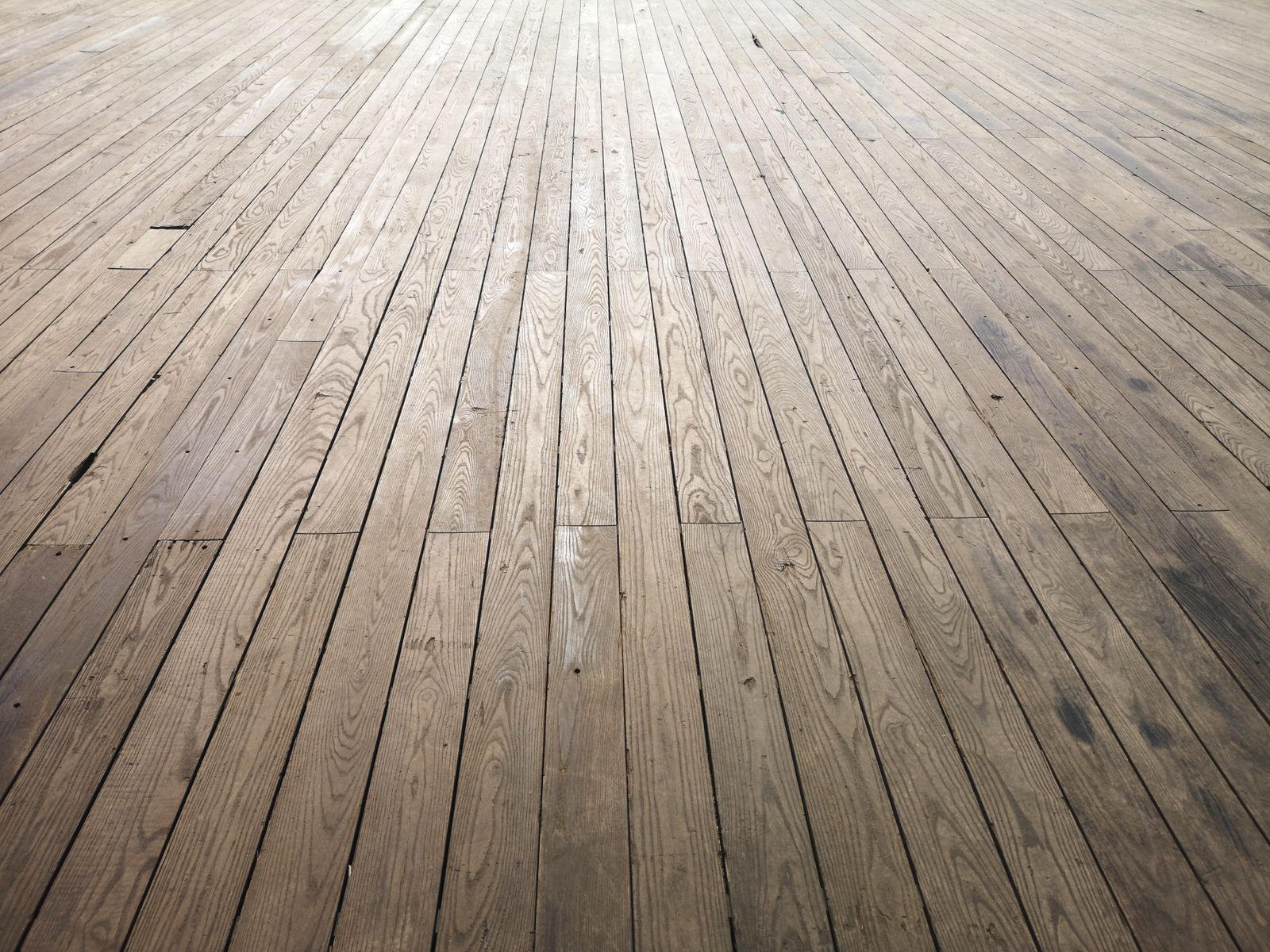
A water damaged timber floor can often be saved if the timber is solid, the water was clean and drying starts quickly. Cupping, where board edges rise above the centre, is a sign the boards have absorbed moisture from below, and it can partly or fully settle once the floor is properly dried. Engineered boards and floors left wet for a long time are harder to save.
This guide explains what the different types of damage look like, how timber floors are dried, and what to do right now to give yours the best chance.
What does water do to timber floors?
Timber absorbs moisture and swells, then shrinks as it dries. When one side of a board gets wetter than the other, it changes shape. In most homes, water gets underneath the boards, either through the gaps or from a wet subfloor, so the bottom swells more than the top.
That uneven swelling causes the most common types of damage:
- Cupping. The edges of each board sit higher than the middle, like a shallow dish. Usually means moisture underneath.
- Crowning. The middle sits higher than the edges. Often happens when a cupped floor was sanded flat before it dried, then the boards shrank back.
- Buckling. Boards lift right off the subfloor in a ridge. A sign of serious moisture and swelling with nowhere to go.
- Staining and gaps. Dark marks, grey patches or gaps between boards as they dry and shrink.
Can cupped floorboards go back to normal?
Often they can improve a lot, sometimes fully, once moisture levels in the timber and subfloor return to normal. The key is patience. Sanding or replacing boards too early is one of the most common mistakes, because the boards are still moving.
How well a floor recovers depends on:
- whether it’s solid timber, engineered timber or a laminate look-alike
- the type of water (clean water gives the best outcome)
- how long the boards were wet before drying started
- whether there’s a ventilated subfloor, a concrete slab or a sheet floor underneath
- the finish on the boards, which can slow drying from the top
Good to know: Laminate and hybrid floors are not timber and behave differently. If yours is a floating floor, see water under laminate or hybrid flooring.
What should you do right now?
If you’ve just found water on or under your timber floor, these steps help limit damage tonight:
- Stop the water source and turn off the mains if needed.
- Keep clear of power points and appliances in wet areas. Don’t touch the switchboard while standing in water.
- Photograph the floor, the source and any cupping, gaps or stains for your insurer.
- Mop and towel up surface water straight away. Don’t leave pools sitting on the boards.
- Move rugs and furniture off the affected area so air can reach the surface.
- Don’t use heaters or hair dryers directly on boards, which can dry the surface too fast and cause cracking.
- Don’t sand, nail down or seal the boards until they’re confirmed dry.
Warning: Avoid walking on boards that have lifted or buckled. They can be a trip hazard and may crack further.
How are timber floors professionally dried?
Timber floor drying is slower and more careful than drying carpet. The first step is measuring. Moisture meters take readings in the affected boards and compare them with dry boards elsewhere in the house, and thermal imaging helps map where water spread.
Drying then targets both the boards and what’s underneath:
- air movers and dehumidifiers to draw moisture out of the room and the timber
- drying of the subfloor space where there’s access, which is common in older Melbourne homes on stumps
- specialised floor drying equipment that works on the boards themselves
- regular readings to track progress and adjust the setup
Most drying jobs take around 3 to 5 days, but timber floors often take longer because the boards need to dry evenly and slowly. We’ll explain the expected timeline after we’ve taken readings, and update it as we go. For a broader look at timelines, read how long it takes to dry a water-damaged house.
When do timber floors need replacing?
Replacement becomes more likely when:
- the water was sewage or floodwater and has soaked into the boards and subfloor
- boards have split, delaminated (common with engineered boards) or rotted
- the floor was wet for a long time before anyone noticed
- boards don’t settle after full drying and the movement is too much to sand back
Even then, it’s often only part of the floor that needs replacing. After drying, a floor sander or flooring specialist can advise on sanding, patching and refinishing once moisture readings are normal.
When to call a professional
A small spill on a sealed timber floor wiped up within minutes rarely needs more than a towel. Call a restorer if water has sat on or under the boards, if you can see cupping or gaps appearing, if there’s water in the subfloor, or if more than one room is affected.
Our structural drying service measures moisture in the boards and subfloor, dries them steadily and tracks readings until they’re back to normal. If there’s water pooled in the subfloor, we start with water extraction. You’ll receive a written scope and price before major work and a drying report you can give your insurer.
Give your floor the best chance
The sooner timber is dried properly, the more likely it is to settle back down. Call us any time, or use the form below and we’ll call you back.
Frequently asked questions
Should I sand my floor flat once it's cupped?
Not until moisture readings show the timber and subfloor are dry. Sanding cupped boards while they’re still wet can leave them crowned once they shrink back. Wait for confirmation, then speak to a flooring specialist.
Does insurance cover water damaged timber floors?
It depends on your policy and the cause. Sudden escape of liquid, such as a burst pipe, is often covered, while gradual leaks may be excluded. Check your PDS and talk to your insurer, and keep photos and drying records.
Can engineered timber floors be saved?
Sometimes, if they’re caught early. Engineered boards have a timber top layer over a core that can swell or separate when wet, so they’re more vulnerable than solid timber. Moisture testing helps decide whether drying is worthwhile.