Black mould on walls after a leak means moisture has been sitting in or behind the wall long enough for mould to grow. It isn’t automatically “toxic”, but any mould can irritate airways and worsen asthma or allergies, so it shouldn’t be ignored. Small patches on a sealed, painted surface can often be cleaned once the leak is fixed. Mould that keeps returning, covers a large area or is growing on soft plasterboard usually means the wall itself is still wet and needs proper drying or removal.
Below: what black mould actually is, how risky it is, what’s safe to do yourself, and how professionals remove it from walls.
What is black mould, exactly?
“Black mould” is a common name rather than a single species. Many types of mould look dark green, grey or black on a wall. Some people use the term for a particular mould that grows on very wet, cellulose-rich materials like plasterboard paper, but you can’t tell which species you have by looking at it.
What matters more than the colour is:
- Where it’s growing: on the surface of paint, or into the board itself.
- How big the area is.
- Why it’s there: a past leak that’s now dry, or ongoing moisture.
After a leak, the answer to that last question is usually “the wall is still damp inside”.
Is black mould on walls dangerous?
For most healthy adults, a small patch of mould is more of an irritant than an emergency. It can cause a stuffy or runny nose, itchy eyes, coughing or skin irritation. For some people the effects can be more significant:
- People with asthma or allergies.
- Babies and young children.
- Older people.
- Anyone with a lung condition or weakened immune system.
If you or anyone in your household has symptoms you think may be linked to mould, see a GP. The Better Health Channel has general guidance on mould and health. We can deal with the mould and the moisture, but we can’t give medical advice.
Why does mould keep coming back on the same wall?
Mould that returns after cleaning is almost always a moisture problem, not a cleaning problem. Common reasons after a leak include:
- Wet insulation or timber framing behind the plasterboard that never dried.
- A slow, ongoing leak from a shower, pipe joint or roof that hasn’t been found.
- Water that wicked up from a wet floor or subfloor.
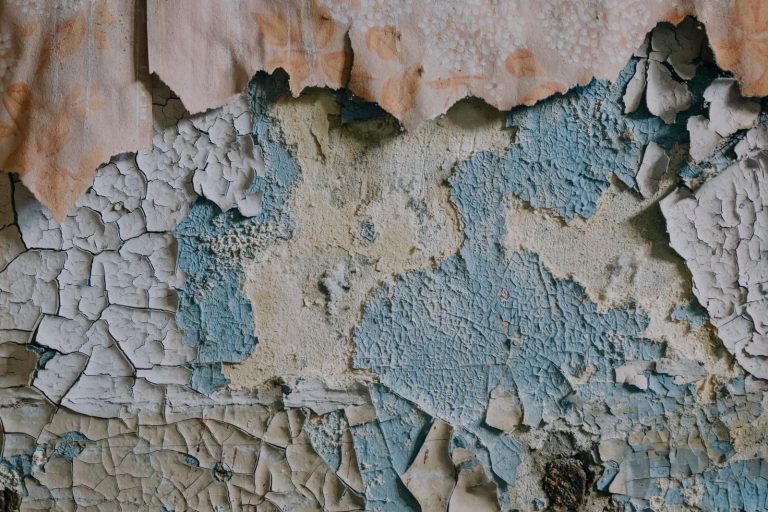
- Paint or wallpaper applied over damp board, trapping moisture underneath.
You can wipe the surface every week and it will keep reappearing while the cause remains. Fixing the leak and confirming the wall is dry is what breaks the cycle.
Can you clean black mould off walls yourself?
Sometimes. It’s reasonable to try if the patch is small, on a hard or well-painted surface, the leak has been fixed, and nobody in the house is particularly sensitive. Here’s a safer way to do it.
- Fix or confirm the source of moisture is fixed first.
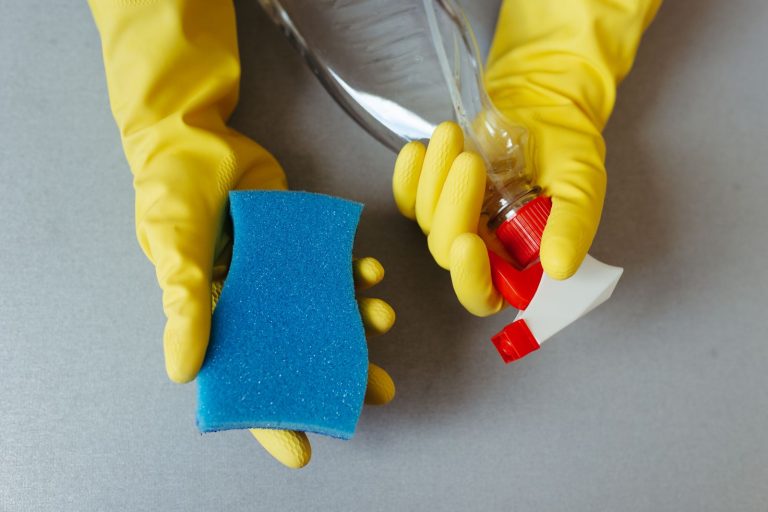
- Wear disposable gloves, eye protection and a P2 mask, and keep children and pets out of the room.
- Open a window for ventilation, but don’t run a fan pointed at the mould, as that can spread spores.
- Lightly mist the area with water so spores don’t go airborne when you wipe.
- Clean with a cloth and a mild detergent solution, wiping in one direction and folding the cloth often.
- Wipe again with a clean damp cloth, then dry the surface thoroughly.
- Bag the cloths and dispose of them.
- Watch the area for a few weeks. If the mould returns, the wall is still wet behind the surface.
Warning: Avoid dry brushing or sanding mould, and never mix cleaning products. Bleach in particular doesn’t fix mould on porous materials like plasterboard; our article on whether bleach kills mould explains why.
How professionals remove black mould from walls
Proper mould remediation deals with both the visible growth and the moisture behind it. A typical process looks like this:
- Investigation. We use moisture meters and thermal imaging to find out how wet the wall is and how far the damp extends, including areas you can’t see.
- Containment. The work area can be isolated to limit spores travelling to other rooms.
- Removal or cleaning. Mould on hard surfaces can be cleaned. Plasterboard, insulation or skirting that’s soaked or heavily affected is usually cut out and bagged.
- Drying the cause. The cavity and framing are dried and checked with readings until they’re back to normal levels. That’s often done alongside structural drying.
- Final clean. Surfaces are cleaned and the area is left ready for patching and painting.
You’ll get a written scope and price before any major work starts, and photos and readings are recorded if you need them for an insurer or landlord.
What if you rent?
If you’re a tenant and mould has appeared after a leak, report it to your landlord or agent in writing with photos. Responsibilities for repairs and mould in Victorian rentals depend on the circumstances, so check Consumer Affairs Victoria for current guidance. Our post on mould in a rental property in Victoria covers this in more detail.
When to call a professional
A small spot of mould on a gloss-painted wall or tiled surface, with a fixed leak and no sensitive people in the house, is usually a DIY job.
Call for professional mould remediation if:
- The mould keeps returning after you clean it.
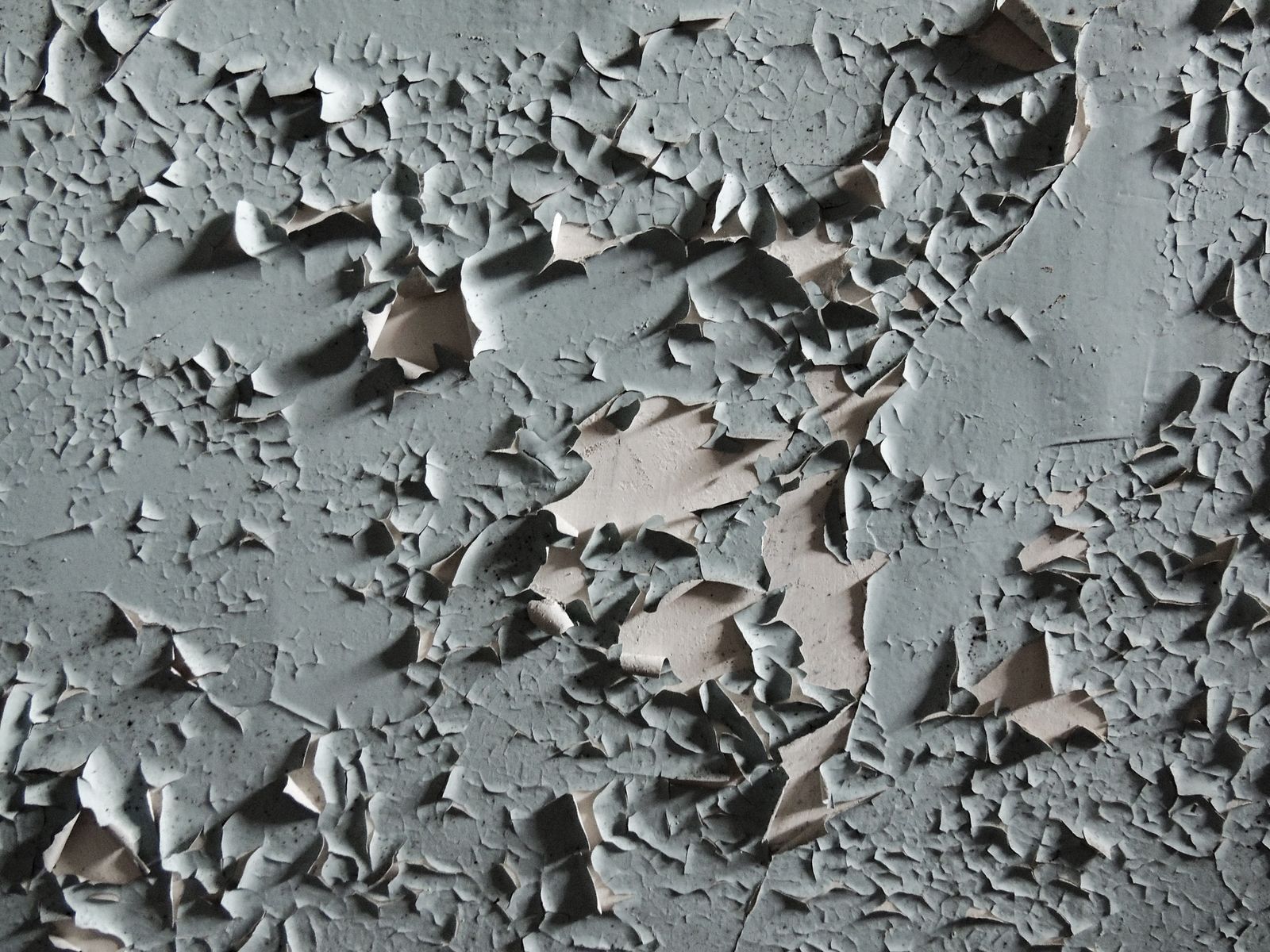
- The wall feels soft, cold or damp, or the paint is bubbling.
- It’s on plasterboard, timber or wallpaper rather than a sealed surface.
- The area is bigger than you can comfortably clean in one go.
- The original leak involved sewage, floodwater or water that sat for days.
- Anyone at home has asthma, allergies or a health condition.
If you’ve got dark spots spreading across a wall and you’re not sure how deep they go, call FRS any time or request a call back using the form below.
Frequently asked questions
Can I paint over black mould on a wall?
No. Painting over mould, even with an anti-mould paint, doesn’t deal with the moisture causing it, and the mould will usually grow back through or under the new paint. Clean or remove the mould, confirm the wall is dry, then prime and paint.
How do I know if mould is inside the wall, not just on it?
Clues include mould that returns quickly after cleaning, bubbling or soft plasterboard, a strong musty smell and staining that spreads from the bottom or a corner. Moisture meters and thermal imaging can confirm whether the cavity is wet without opening the wall.
Is it safe to sleep in a room with black mould?
For a small patch and a healthy adult, it’s usually more of an irritation than an immediate danger, but it’s best to avoid it where you can, especially for babies, older people or anyone with asthma. If you have symptoms, see a GP, and get the moisture source dealt with promptly.