If your house has flooded, put safety first: stay out of water that may be touching power points or appliances, turn off the electricity at the switchboard only if you can reach it from a dry spot, and call 000 if anyone is in danger. Once everyone is safe, stop more water coming in if you can, photograph the damage, call your insurer and get the water removed as soon as possible. The longer water sits, the more it soaks into walls, floors and furniture.
This guide walks through the first 24 hours in order, so you know what to do tonight and what can wait until morning.
Is it safe to go back inside?
- Electricity: never touch the switchboard, power points or appliances while you are standing in water or the floor is wet. If you can’t reach the switchboard from a dry place, leave it and call an electrician. Energy Safe Victoria has general electrical safety information.
- Gas: if you smell gas, leave the house and call your gas provider’s emergency line from outside.
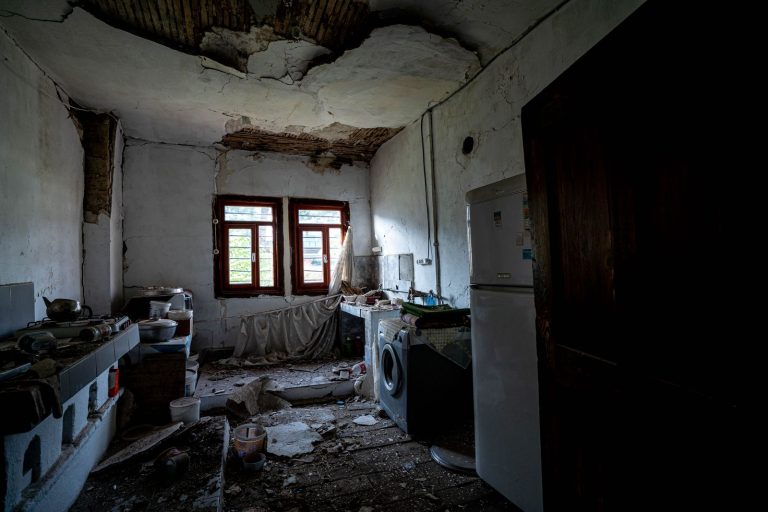
- Structure: sagging ceilings, cracked walls or soft floors are warning signs. Stay out of those rooms.
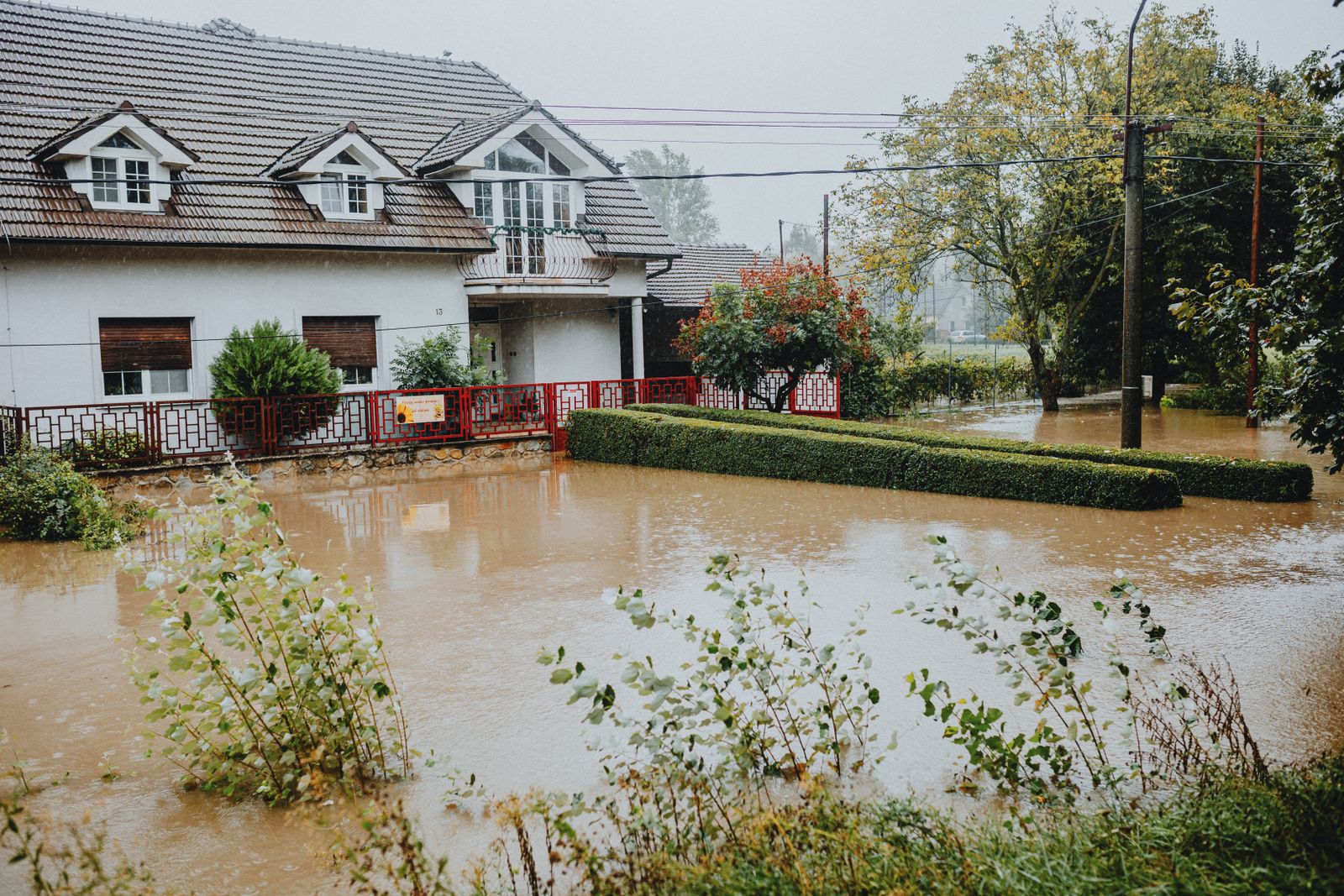
- Floodwater: water that came in from outside, over the ground or from drains, is treated as contaminated. Wear gloves and sturdy boots, and keep children and pets away.
If the flooding is part of a wider storm or river event and you need emergency help, contact VICSES on 132 500. For life-threatening situations, always call 000.
We cover this in more detail in is it safe to stay in your house after water damage.
What should I do in the first hour?
Once the house is safe to enter, work through these steps in order. You don’t need to finish them all before calling for help.
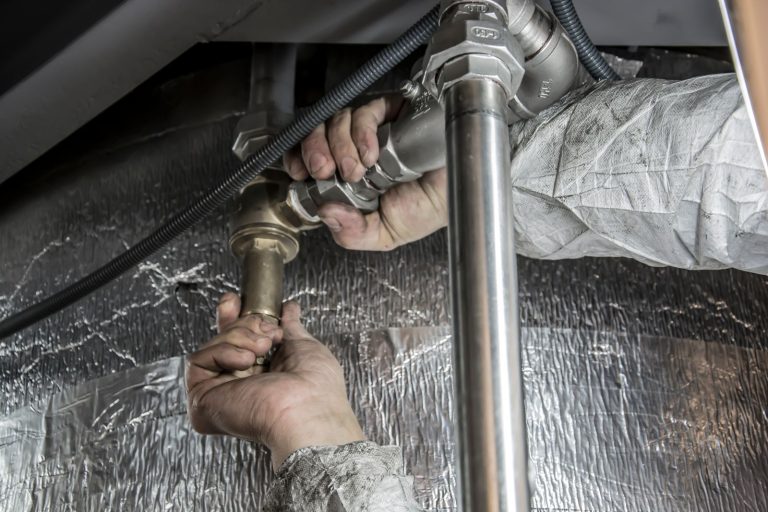
- Stop the source if you can. For a burst pipe, turn off the water at the mains. For storm water, clear blocked gutters or downpipes only if it’s safe to do so, and never climb on a wet roof.
- Photograph and video everything before you move it: water levels on walls, wet carpet, damaged furniture, the source of the water. Your insurer will want to see the damage as you found it.
- Move valuables up and out. Lift photos, documents, electronics and rugs off the floor. Put foil or wooden blocks under furniture legs so they stop wicking water.
- Call your insurer. Tell them what happened and ask what they need from you. Note the claim number and who you spoke to.
- Arrange water extraction. Standing water needs to come out with proper pumps and extraction units, not just towels and a wet vac.
- Open up if the weather allows. If it’s dry outside, open windows to let humid air escape. If it’s still raining, keep them shut.
Why does speed matter so much?
Water doesn’t stay where you can see it. It wicks up plasterboard, soaks into carpet underlay, runs under floating floors and settles in subfloors and wall cavities.
In damp, warm conditions, mould can start to grow within 24 to 48 hours. Timber swells, particleboard cabinets soften and carpet backing can start to separate. Getting the bulk of the water out quickly is the single biggest thing that keeps a repair small.
Good to know: Removing standing water is only the first stage. Walls, subfloors and timber can stay wet inside long after the surface feels dry, which is why moisture readings matter.
What can I safely clean up myself?
Some tasks are fine to do yourself, and they help.
- Moving light contents to a dry room
- Bagging ruined items, after you’ve photographed them
- Opening cupboard doors and drawers so they can air out
What you should avoid:
- Using household vacuums or fans on floodwater. Fans can spread contaminated moisture and spores around the house.
- Turning on ducted heating or air conditioning that may have taken on water.
- Throwing out damaged items before your insurer has seen them or approved disposal.
If floodwater came in from outside, everything it touched needs proper cleaning and sanitising. Our floodwater cleanup checklist covers that step by step.
Will my insurance cover a flooded house?
It depends on your policy and on where the water came from. In Australia, “flood” has a standard definition in home insurance (water that escapes from a river, creek, lake, dam or similar), and it’s often a separate cover from storm damage or “escape of liquid” from a burst pipe.
Read your Product Disclosure Statement (PDS) and call your insurer early. Ask whether it’s likely to be assessed as flood, storm or escape of liquid, whether you need approval before emergency drying starts, and what records they want.
We explain the differences in flood vs storm vs escape of liquid. If you rent, tell your landlord or agent straight away and check your rights with Consumer Affairs Victoria.
What happens over the next few days?
After the water is extracted, the house needs to be dried properly, not just aired out. That usually means commercial air movers and dehumidifiers, with moisture readings taken each visit to track progress.
Most drying jobs take around 3 to 5 days. Concrete slabs, timber floors and homes hit by contaminated floodwater usually take longer. Some materials, such as soaked underlay or swollen particleboard, may need to be removed so the structure behind can dry.
Our structural drying process is built around measuring moisture until materials are genuinely dry, so you aren’t left with hidden damp that turns into mould months later.
When to call a professional
You can handle a small spill of clean water on tiles yourself. A flooded house is different. Call a professional if:
- Water has reached carpet, walls, cabinetry or more than one room
- The water came from outside, from drains or from a sewer
- You can see water under floating floors or coming through the ceiling
- Anyone in the home is elderly, very young, pregnant or has a health condition
- You need records and a drying report for your insurer
FRS provides 24/7 emergency water extraction across Melbourne, including low-lying areas such as Maribyrnong. We use moisture meters and thermal imaging to find where the water has travelled, take photos and moisture readings, and give you a written scope and price before any major work. We can also work directly with your insurer or assessor.
A flooded house is overwhelming, but you don’t have to work it out alone. Once the house is safe, call us any time or use the form below to request a call back.
Frequently asked questions
Should I start cleaning before the insurance assessor comes?
Do what is needed to stop further damage, such as removing standing water and moving contents, but photograph everything first. Ask your insurer what they’re happy for you to do before the assessor visits. Most insurers expect you to take reasonable steps to limit damage.
Can I stay in my house after it floods?
Sometimes, if the power is safe, the water was clean and the affected area is small. If floodwater or sewage came inside, if the electrics are affected, or if large areas are wet, it’s usually safer to stay elsewhere until it’s cleaned and dried.
How long does it take to dry a flooded house?
Most drying jobs take around 3 to 5 days once the water has been extracted. Slabs, timber floors and contaminated floodwater usually take longer. The only reliable way to know a house is dry is to take moisture readings, not to judge by touch.