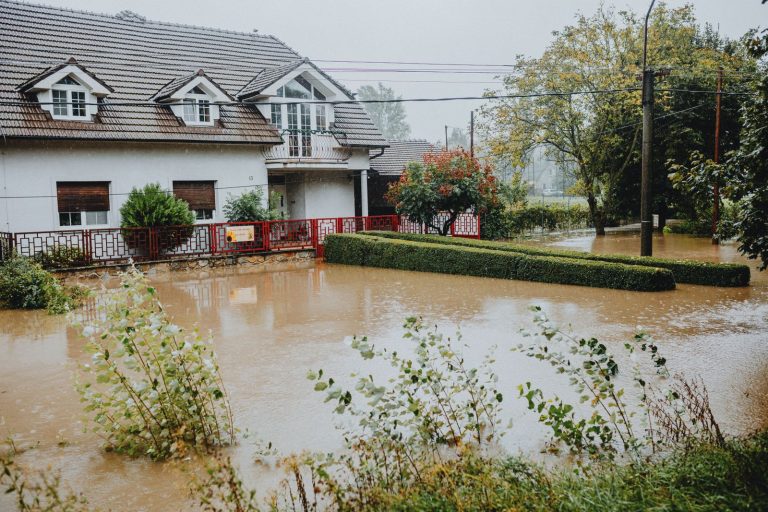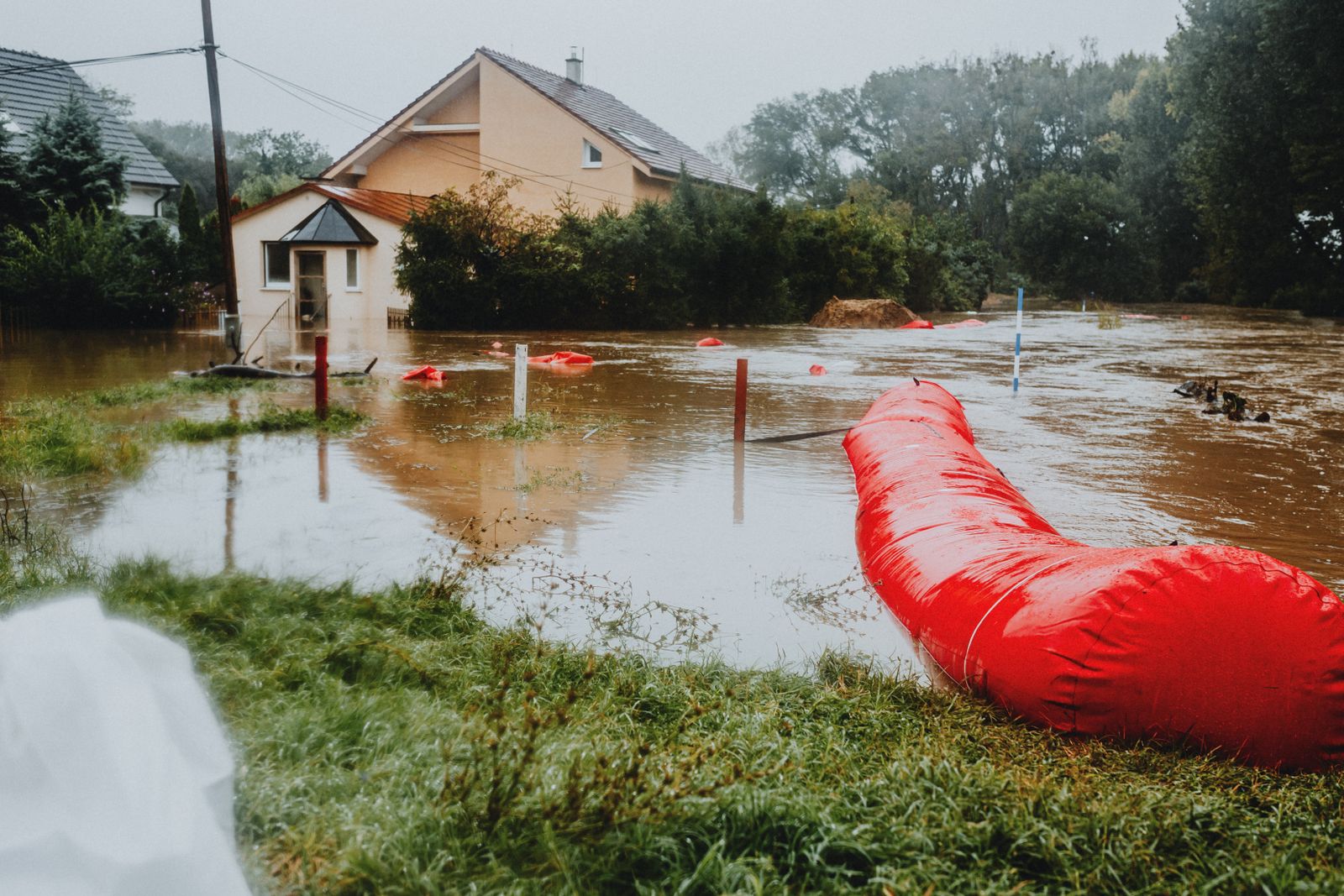
Whether it’s safe to stay in your house after a flood depends on three things: whether the electrics and gas are safe, what kind of water came in, and who lives there. If clean water from a burst pipe wet one room and the power is unaffected, most people can stay while it’s dried. If floodwater or sewage came inside, the electrics got wet, or the home has babies, elderly people or anyone unwell, it’s usually safer to stay somewhere else until it’s cleaned and dried.
This guide gives you a simple way to decide, and explains what changes the answer.
Quick check: should I stay or go?
Work through these questions. If you answer “yes” to any of the first four, plan to stay elsewhere for now.
- Is there any doubt about the electrics? Water near the switchboard, power points, appliances or light fittings means the power needs checking by a licensed electrician before you rely on it.
- Can you smell gas? Leave straight away and call your gas provider’s emergency line from outside.
- Did the water come from outside, a drain or a toilet? Rising floodwater and sewage are treated as contaminated (Category 3, or “black water”).
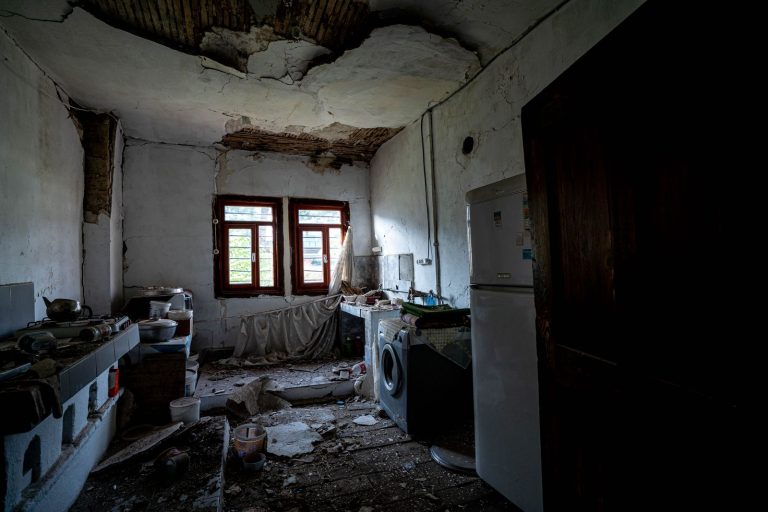
- Is there structural damage? Sagging ceilings, cracked walls, soft floors or doors that suddenly won’t close are warning signs.
- Is a large part of the house wet? If the bedrooms, kitchen and bathroom are all affected, daily life becomes hard and risky.
- Does anyone in the home have a higher health risk? See the list below.
If life is at risk, call 000. For flood or storm emergency help, call VICSES on 132 500.
Does the type of water matter?
Yes. It’s the biggest factor in whether you can stay.
- Clean water (Category 1): from a burst supply pipe, hot water system or rain coming straight through a roof. Low health risk if it’s dried quickly.
- Grey water (Category 2): from washing machines, dishwashers or showers. It can carry bacteria and becomes more of a concern the longer it sits.
- Black water (Category 3): sewage, toilet overflows with waste, and rising floodwater from creeks, rivers or stormwater drains. It can carry bacteria, viruses and other contaminants, and contaminated materials usually need to be removed.
Clean water left for a couple of days can become grey water. Our guide to clean, grey and black water categories explains the difference in more detail.
Who should leave first?
Some people are more likely to get sick from contaminated water, damp and mould. If any of these people live with you, lean towards staying elsewhere while the house is cleaned and dried:
- Babies and young children
- Pregnant women
- Older people
- Anyone with asthma, allergies or other breathing problems
- People with a weakened immune system or a serious health condition
- Anyone recovering from surgery or with open wounds
If anyone develops symptoms such as stomach upsets, skin infections, breathing problems or worsening asthma after water damage, see a GP. The Better Health Channel also has general health information. We cover this more in health risks of water damage.
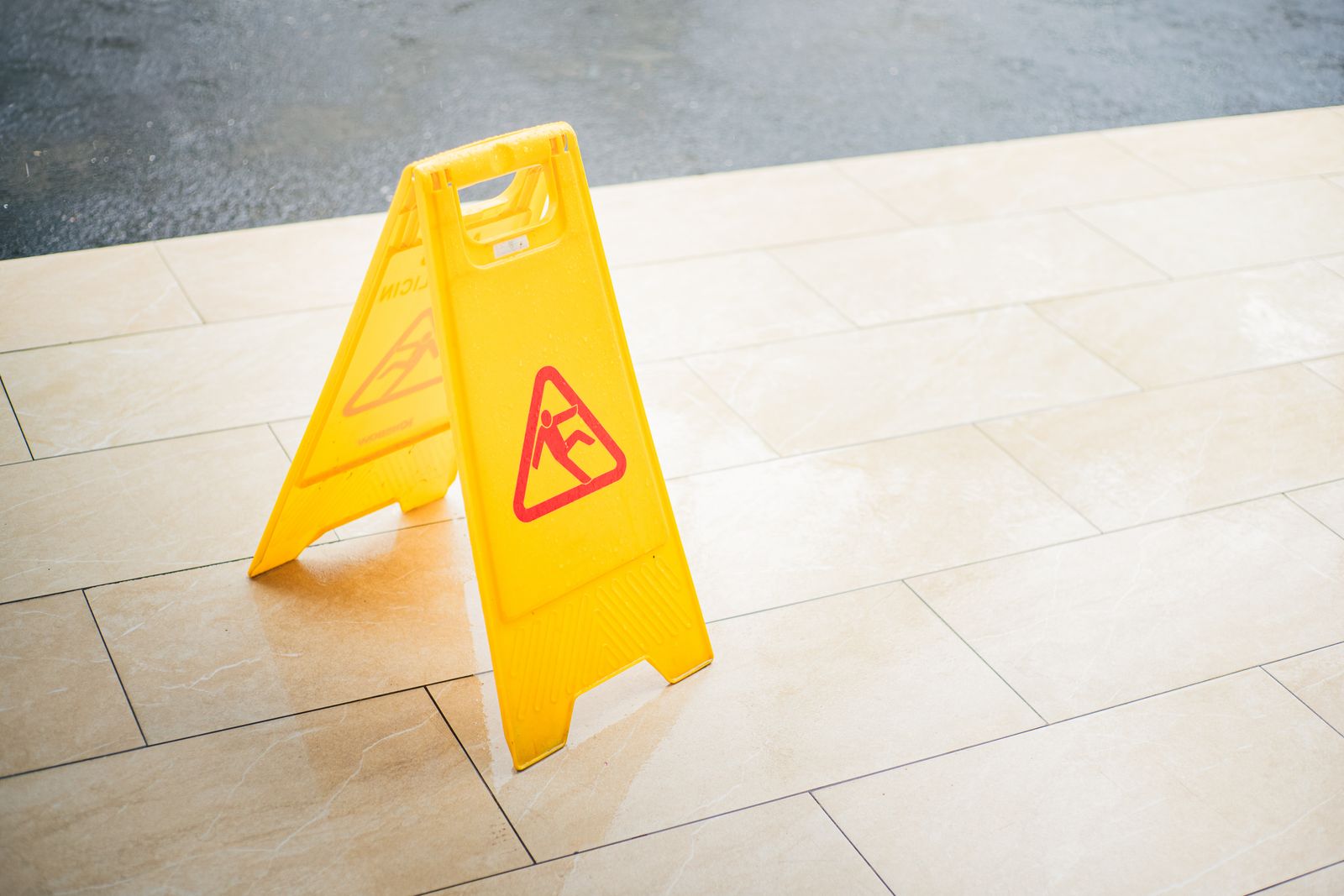
What if I decide to stay?
If the water was clean, the damage is limited and the electrics are safe, staying is often reasonable. A few steps make it safer.
- Close off the wet rooms and keep children and pets out of them.
- Leave drying equipment running as advised, and don’t switch it off to save noise overnight without checking first.
- Keep the house ventilated when the weather is dry.
- Don’t eat any food that touched floodwater, and throw out anything in a fridge or freezer that lost power for an extended period.
- Wash your hands after handling anything that got wet.
- Watch for a musty smell or visible spots on walls, which can be early signs of mould.
Mould can start within 24 to 48 hours in damp conditions, so prompt drying matters even if you stay. See how soon mould grows after water damage.
What about sewage or floodwater inside?
This is where staying put is usually a bad idea. Sewage and floodwater can leave contamination on floors, walls, furniture and anything porous it touched. Carpet, underlay and soaked plasterboard affected by black water are generally removed rather than dried.
Don’t try to clean it up with household products and a mop. If a toilet or drain has backed up, read sewage backup in your house before you go near it.
Good to know: If you rent, tell your landlord or agent straight away. Consumer Affairs Victoria has information on renters’ rights when a home becomes unsafe or unliveable.
Will insurance pay for somewhere to stay?
Some home insurance policies include temporary accommodation if your home becomes unliveable after an insured event. Whether yours does, and for how long, depends on the policy. Check your PDS and ask your insurer directly before booking anything.
When to call a professional
If a small area got wet with clean water and you can dry it within a day, you probably don’t need help.
Call a professional when:
- Sewage, toilet waste or floodwater has come inside
- More than one room is affected, or carpet and walls are wet
- Someone in the home has a higher health risk
- You can smell mustiness or see mould
- You need records for your insurer
FRS provides 24/7 sewage and floodwater cleanup across Melbourne, including removing contaminated materials, cleaning and sanitising, and drying. If mould has already started, our mould remediation team can deal with it. We take photos and moisture readings, give you a written scope and price before major work, and can work directly with your insurer.
Not knowing whether your home is safe is stressful. If you’d like someone to assess it and explain your options, call us any time or request a call back using the form below.
Frequently asked questions
Can I sleep in my house after a flood?
If the power has been checked, the water was clean and your bedroom is dry, it’s often fine. If floodwater or sewage came inside, or the electrics are in doubt, it’s safer to sleep elsewhere until the house is cleaned and dried.
Is it safe to be in a house with drying equipment running?
Generally, yes. Air movers and dehumidifiers are noisy but are designed to run in occupied homes. Keep children away from cords and equipment, and ask your restorer if you have concerns.
How long will I need to stay somewhere else?
It depends on the water type and how much is affected. Most drying jobs take around 3 to 5 days, but contaminated floodwater, slabs and timber floors usually take longer, and repairs may follow.