A strong water damage insurance claim rests on three things: clear photos taken before anything is moved, a record of the damaged items, and professional evidence of moisture and drying. Lodge the claim early, take reasonable steps to stop further damage, and don’t throw out damaged belongings until your insurer says you can.
Below is a practical walk-through of what to capture, what reports usually help, and the mistakes that most often slow claims down.
What should you do first when making a water damage claim?
Make the property safe, then start recording. If water is near power points or appliances, don’t touch the switchboard while standing in water. Call an electrician if you’re unsure, or contact Energy Safe Victoria for safety information.
Once it’s safe, call your insurer to lodge the claim and write down the claim number, the date and the name of the person you spoke to. Ask them three things:
- whether they’ll send an assessor, and roughly when
- whether you can start emergency drying now
- whether they want you to use their preferred restorer or your own
Policies differ, so the answers depend on your PDS and the insurer’s process. If you’re not sure the event is covered, our guide to whether home insurance covers water damage explains the usual terms.
Which photos and videos do insurers want?
Photos are the most useful evidence you can collect on day one. More is better, and phones add a date and time automatically.
- Take a slow video walking through each affected room, narrating what you see.
- Photograph the source: the burst pipe, failed hose, roof leak or point where water entered.
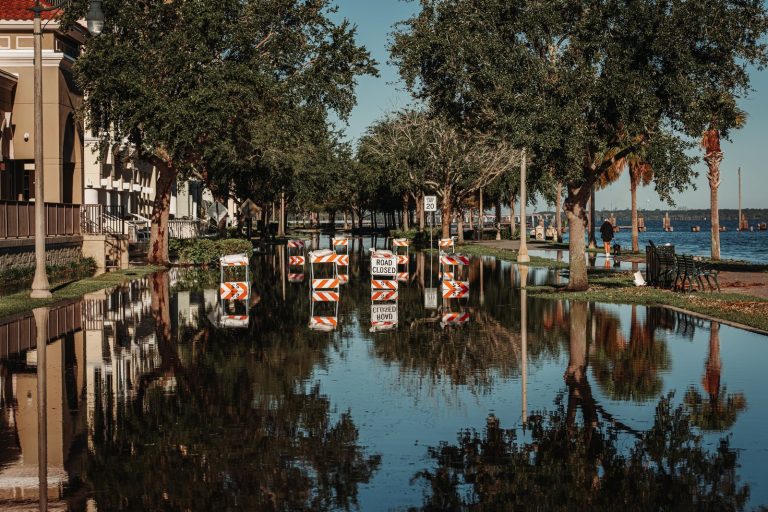
- Capture water depth and tide marks on walls, skirting boards and furniture legs.
- Photograph each damaged item before you move it, including the label or model number on appliances and electronics.
- Take close-ups of swollen cabinetry, lifting floorboards, stained ceilings and wet carpet.
- Photograph rooms again once the water has been removed, so the extent of damage is clear.
Tip: Back your photos up to cloud storage or email them to yourself straight away. A phone that gets wet in the cleanup is a common way to lose evidence.
What paperwork and reports help a claim?
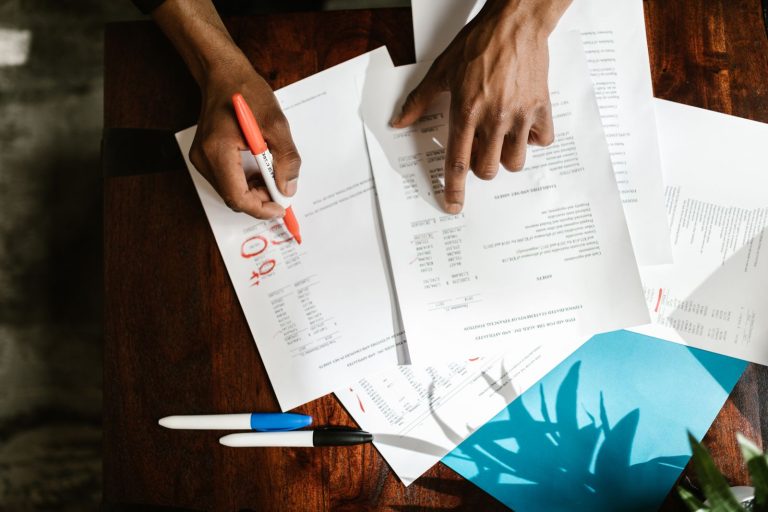
Insurers and assessors generally want to understand what happened, how much was damaged, and what’s needed to fix it. Useful documents include:
- a written list of damaged contents with approximate age and where you bought them
- receipts, bank statements, manuals or warranty cards if you have them
- invoices for any emergency work, such as a plumber’s repair
- a restorer’s report with moisture readings, photos and a scope of work
- a drying report showing readings at the start and when materials reached dry
When we attend, we document the job with photos, moisture readings taken with meters and thermal imaging, an itemised scope and a drying report for your insurer. We can also work directly with your insurer or assessor, which saves you passing messages back and forth.
Should you throw out damaged items?
Not yet. Many claims stall because belongings were thrown out before anyone recorded them. Photograph everything first, then ask your insurer whether they need to see the item or will accept photos.
Some items genuinely can’t be kept for health reasons, such as food, mattresses or soft furnishings soaked in sewage or floodwater. If that’s the case, photograph them clearly, keep a small cut sample of carpet and underlay if possible, and tell your insurer before disposal.
Not everything wet is a write-off. Furniture, documents, photos and some electronics can often be cleaned, dried or restored. Our guide to saving water-damaged photos and documents covers what to do while you wait.

What mistakes slow down a water damage claim?
These are the issues that most often cause delays or disputes:
- Waiting too long to lodge. Most policies expect you to notify the insurer promptly.
- Leaving the water to sit. Policies generally expect you to take reasonable steps to prevent further damage. Delay can let mould start within 24 to 48 hours.
- No “before” photos. Once carpet is pulled up or furniture moved, the original damage is harder to prove.
- Repairing the cause without a record. Ask your plumber to note the cause on the invoice and keep any failed part.
- Vague contents lists. “Lounge room stuff” is hard to assess. List items individually where you can.
- Agreeing to rebuild before drying is confirmed. Closing up walls or laying new floors over damp materials can lead to mould and a second claim.
Good to know: If you’re renting, contents are usually your responsibility to insure, while the building is the owner’s. Speak to your landlord or agent, and see Consumer Affairs Victoria for your rights.
When to call a professional
A small leak on a tiled floor that dries in a day usually doesn’t need a restorer. Call one when water has soaked into carpet, walls, cabinetry or subfloors, when the water is contaminated, or when your insurer asks for moisture readings and a scope.
For damaged belongings, our contents restoration service helps sort what can be cleaned and dried from what can’t, with photos and lists your insurer can use. For the building itself, structural drying brings walls and floors back to normal moisture levels before repairs start.
Get your claim off to a clean start
The first day sets up the whole claim. If you’d like help removing the water and documenting the damage properly, call us any time or use the form below and we’ll call you back.
Frequently asked questions
Can I choose my own restoration company for an insurance claim?
Sometimes. Some insurers prefer to appoint their own restorer, while others let you choose and then review the quote. Ask your insurer before major work starts and keep a record of what they agreed to.
Do I have to pay the excess before work starts?
That depends on your insurer and policy. Excess is often paid to the insurer or deducted from the settlement, but arrangements vary, so confirm with your insurer when you lodge the claim.
What can I do if my claim is declined?
Ask for the reasons in writing and check them against your PDS. You can lodge a complaint through your insurer’s internal process, and if you’re still unhappy, take it to the Australian Financial Complaints Authority, a free external dispute service.