Mould can start growing within 24 to 48 hours after water damage if materials stay damp. You often won’t see it that quickly, because early growth is usually hidden under carpet, behind skirting boards or inside wall cavities. The single biggest factor is how fast the wet materials are dried, not how much water there was in the first place.
This post walks through the mould timeline after a leak or flood, what speeds it up, where to look, and the steps that actually prevent it.
Why does mould grow so quickly after a leak?
Mould spores are a normal part of indoor and outdoor air. They sit on almost every surface and do nothing until they get the three things they need: moisture, food and a suitable temperature.
Water damage supplies all three at once. Plasterboard paper, carpet backing, timber, dust and even the glue in some flooring are food. A wet house at room temperature, especially with the windows shut, gives spores ideal conditions to wake up and spread.
That’s why mould is a drying problem first. Remove the moisture and the spores go back to being harmless background.
A rough mould timeline after water damage
Every house is different, but this is the general pattern restorers see when wet materials aren’t dried:
- First 24 hours: materials absorb water and humidity climbs. No visible mould yet, but conditions are being set.
- 24 to 48 hours: growth can begin on damp porous materials, especially in warm, still, enclosed spaces like wall cavities and under underlay.
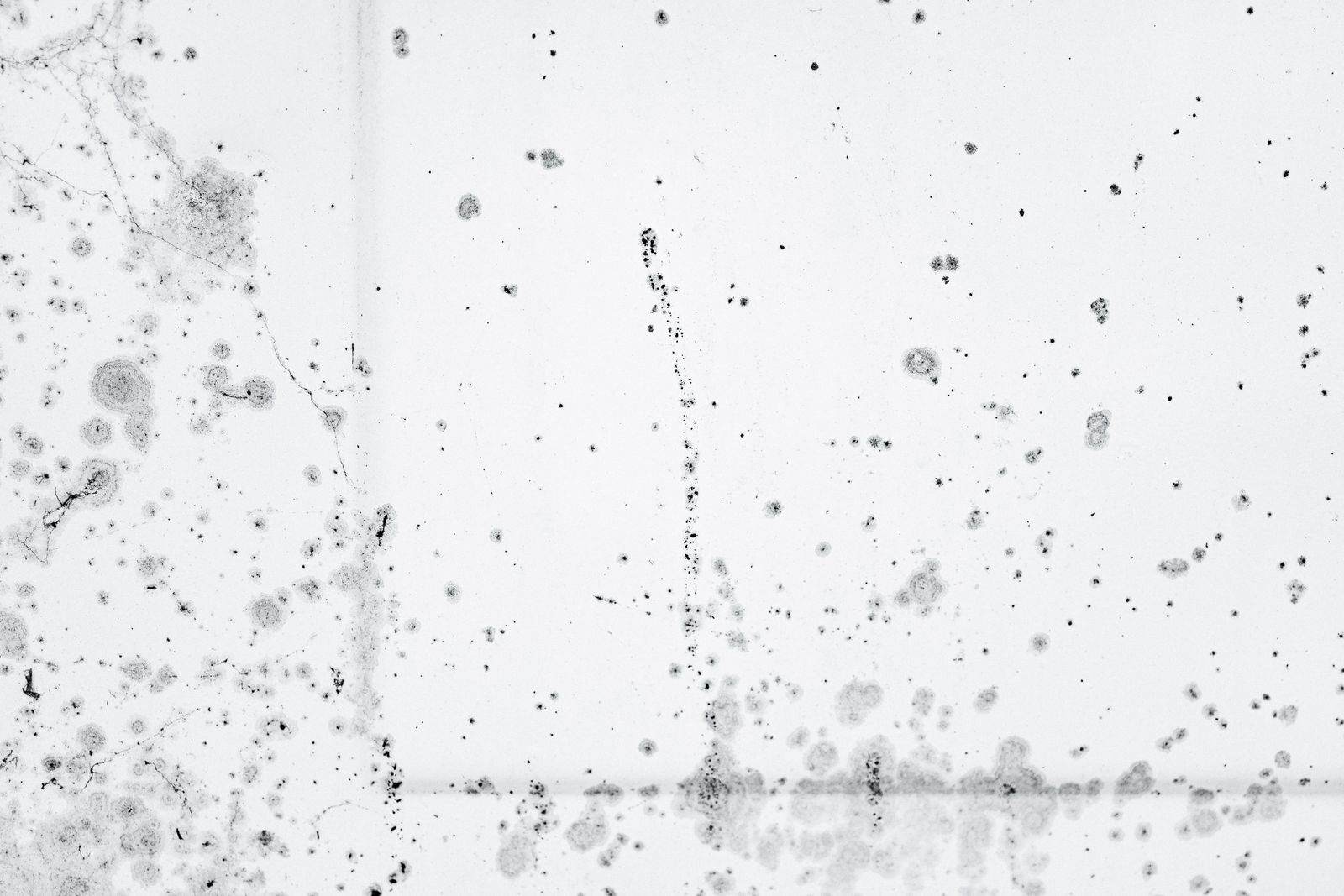
- First week: a musty smell often appears. Spotting may show on skirting boards, the backs of furniture, or the lower part of walls.
- Beyond a week or two: growth can spread across larger areas and into materials that are hard to clean, such as insulation and timber framing.
Treat this as a guide, not a countdown. Warm, humid Melbourne weather and closed-up rooms speed things up. Cool, dry, breezy conditions slow them down.
What makes mould grow faster?
A few things make the difference between a quick dry-out and a mould job:
- Dirty water. Grey water and black water (sewage or rising floodwater) carry extra nutrients and bacteria.
- Hidden moisture. Water trapped under floating floors, inside walls or in the subfloor dries far slower than surfaces you can see.
- Poor airflow. Closed doors, furniture pushed against wet walls and covered carpet all trap humidity.
- Warmth. Heaters running in a wet house can feel helpful but often raise humidity without removing it.
- Delay. Waiting days for an assessor or a tradie while nothing dries is one of the most common ways small leaks become mould problems.
If you’re torn about waiting for the insurer, read should you wait for the insurance assessor before drying.
Where to check for mould after water damage
Mould usually starts where you’re least likely to look. Check:
- The underside of carpet and the underlay, near where the water spread.
- Behind and under skirting boards.
- The lower part of walls, especially behind beds, couches and wardrobes.
- Inside built-in robes and kitchen cupboards that share a wall with the leak.
- Ceiling corners below a roof leak or bathroom.
- The subfloor, if your house is on stumps.
Your nose is a good early-warning tool. A damp, earthy or musty smell often shows up before anything is visible. Our guide to a musty smell in the house explains how to trace it back to its source.
How to stop mould before it starts
If the water damage is recent, you have a real chance of preventing mould. Tonight:
- Stop the water and take photos of everything that got wet.
- Remove standing water with a wet vac, mop or towels.
- Lift wet rugs, cushions and items off the floor and move them somewhere dry.
- Pull furniture away from wet walls so air can circulate.
- Open windows if the air outside is dry; otherwise keep them shut and run a dehumidifier.
- Run fans across wet surfaces, not into cupboards or cavities where they’ll just move damp air around.
- Don’t seal, paint or cover anything wet.
- Book proper drying if the water got under flooring, into walls or sat for more than a day.
The fastest way to stop mould is measured structural drying, where moisture meters confirm materials are back to normal rather than just feeling dry. Most drying jobs take around 3 to 5 days, longer for slabs, timber floors and contaminated water.
Tip: Don’t reach for bleach as a preventive. It doesn’t dry anything, and on porous materials it often leaves the root of the problem behind. Drying is what prevents mould.
Is mould after water damage a health risk?
Mould can irritate the nose, throat, eyes and skin, and it can make asthma and allergies worse. Babies, older people, people with lung conditions and anyone with a weakened immune system tend to be more sensitive.
If anyone in the house develops symptoms after a leak or flood, see a GP. The Better Health Channel also has general information on mould and health. For a wider look at what water damage can do to health, see our post on water damage health risks.
When to call a professional
A small patch of surface mould on a non-porous surface, like tiles or a sealed window frame, can usually be cleaned with detergent and water once the moisture problem is fixed.
Call for professional mould remediation when:
- The mould covers a larger area or keeps coming back.
- It’s on porous materials like plasterboard, carpet, insulation or timber.
- You can smell mould but can’t find it.
- The water damage was from sewage or floodwater.
- Someone in the home has asthma, allergies or a health condition.
At FRS we use thermal imaging and moisture meters to find hidden damp, remove or treat affected materials, and dry the cause so the mould doesn’t return. If your place has recently had a leak and you want it checked before mould sets in, call us any time or use the form below.
Frequently asked questions
Can mould grow in 24 hours?
Growth can begin within 24 to 48 hours on damp materials in warm, still conditions. You usually won’t see it that soon, because early growth tends to be hidden and microscopic. That’s why drying in the first day or two matters so much.
Will mould go away once everything dries?
Drying stops active growth, but it doesn’t remove mould that has already grown or the staining and smell it leaves. Affected porous materials may still need cleaning or removal. Drying first, then dealing with the growth, is the right order.
Does insurance cover mould after water damage?
Many policies exclude mould from gradual leaks or poor maintenance, but some cover it when it results directly from a sudden insured event like a burst pipe. It depends on your policy, so check your PDS and call your insurer, and report water damage promptly.