After warehouse flood damage, make the site safe first: isolate power to wet areas (through an electrician if needed), keep people out of standing water, and secure any roof, door or wall damage so more rain can’t get in. Then photograph everything, separate wet stock from dry, protect machinery and records, and get the water extracted and the building drying as quickly as possible. Large open buildings with concrete slabs hold a lot of water, and contaminated floodwater adds a hygiene problem. This post covers the order to do things in, how to triage stock and equipment, and how to keep the insurance claim on track.
What should you do first when your warehouse floods?
Industrial sites carry more risk than homes: heavy machinery, high-voltage supply, chemicals and stacked stock. Safety comes before salvage.
- Get everyone out of standing water. If anyone is injured or trapped, call 000. For flood and storm help, call VICSES on 132 500.
- Isolate power to affected areas only if it can be done from a dry, safe spot. Otherwise wait for a licensed electrician. Don’t restart machinery or forklifts that have been in water.
- Check for chemical, fuel or gas leaks. If chemicals have mixed with floodwater, keep people away and follow your safety data sheets and site emergency plan.
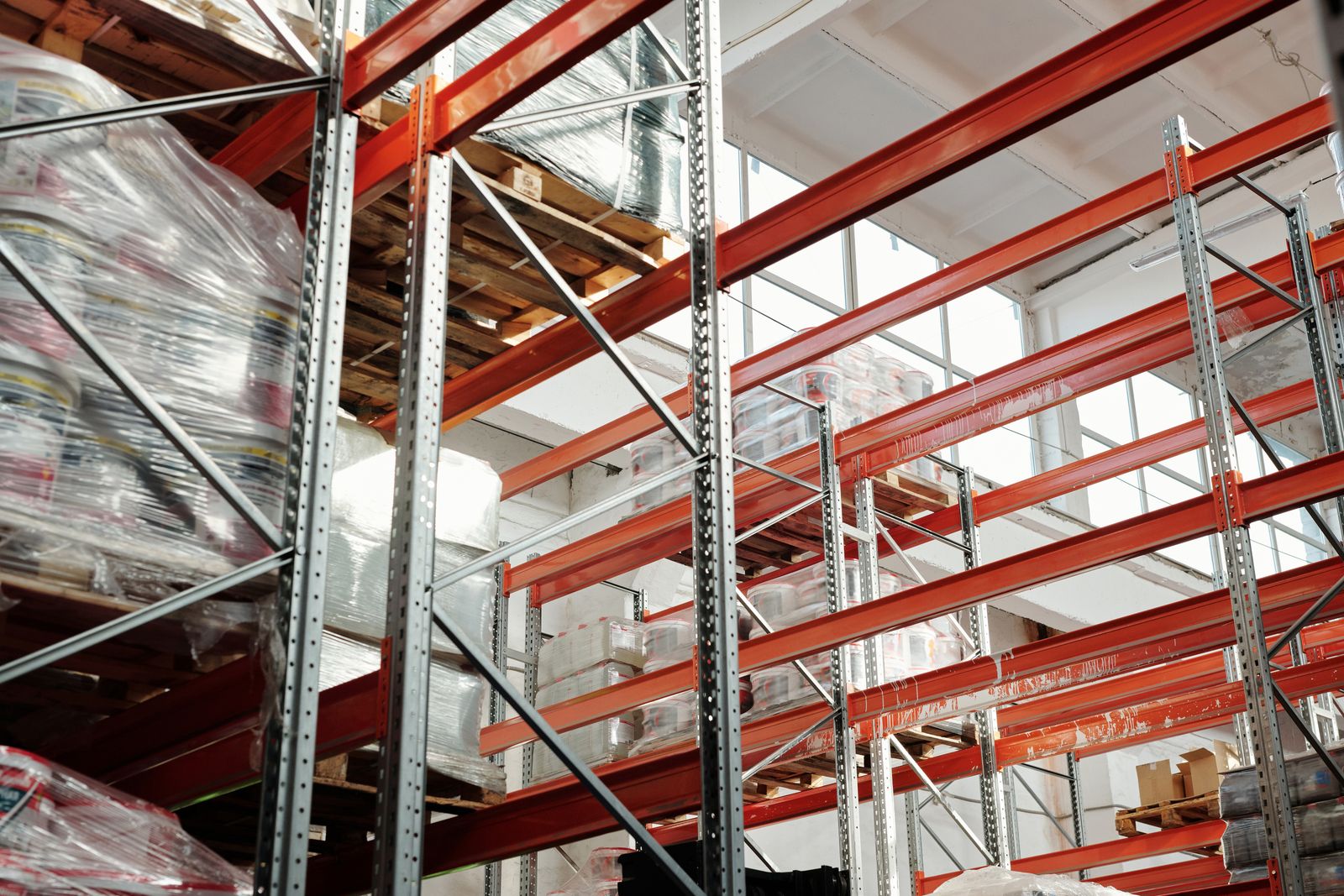
- Check racking and stacked pallets. Wet cardboard and softened bases can make stacks unstable.
- Photograph and video the whole site before moving anything, including water lines on walls and racking.
- Notify your insurer or broker and, if you lease, the property owner or manager.
Warning: Floodwater from outside is category 3 (black water). It can carry sewage, chemicals and debris. Staff doing cleanup need gloves, boots and eye protection, and should wash thoroughly afterwards.
How do you secure the building after a flood or storm?
Storms that flood warehouses often damage the building too: lifted roof sheets, blown-in roller doors, broken skylights or overflowing box gutters. Until these are secured, every new downpour adds to the damage.
Make-safe work can include:
- Tarping or temporarily sealing damaged roof sections and skylights
- Securing doors and windows so the site is weatherproof and lockable
- Clearing blocked box gutters and drains where it’s safe to do so
- Removing debris that’s blocking water from draining away
Don’t send staff onto the roof in wet or windy weather. Our post on storm damage and roof leaks explains what make-safe involves.
How do you decide what stock can be saved?
Triage stock as early as you can. The longer it sits wet, the less you’ll be able to save.
- Separate wet from dry. Move unaffected stock away from the water and off the floor, and keep it away from damp air where possible.
- Sort by material. Sealed metal, glass and plastic items can often be cleaned. Cardboard packaging, paper, textiles and timber pallets soak up water and contamination quickly.
- Consider the water type. Stock touched by floodwater or sewage is much harder to save, and food, pharmaceutical and cosmetic products that got wet usually can’t be sold.
- Record everything. Photograph each batch with labels or barcodes visible, and keep a list of quantities.
- Hold damaged stock until your insurer or loss adjuster says it can go, unless it’s a health or safety hazard.
What about machinery, electronics and records?
Water and electrical equipment don’t mix, and damage isn’t always visible.
- Don’t switch anything back on until a qualified technician or electrician has checked it.
- Note which equipment was in water and how high the water reached on each item.
- Move portable electronics and computers to a dry area, unplugged.
- Protect paper records by moving them somewhere cool and dry, keeping wet bundles separate. Our guide to saving water-damaged documents has more detail.
- Check servers, alarms and fire systems, which may need specialist service.
For office furniture and fit-out items, our article on water-damaged furniture and electronics explains what’s usually salvageable.
How is a warehouse dried out?
Large buildings with concrete slabs need a different drying approach from a house.
- Extraction of standing water and removal of silt and debris
- Cleaning and sanitising floors, walls and racking after contaminated water
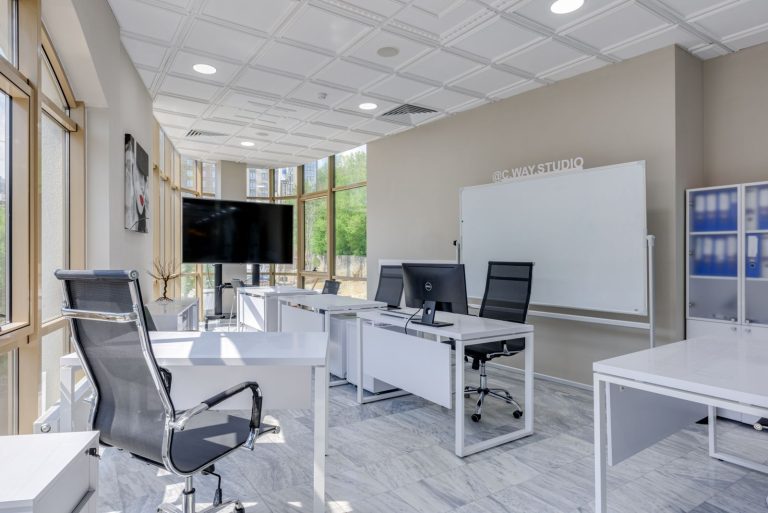
- Removing wet materials such as office partitions, plasterboard linings and carpet in office areas
- Drying with air movers and commercial dehumidifiers, often staged so parts of the site can keep operating
- Moisture monitoring of slabs, walls and office areas until they’re dry
Most drying jobs take around 3 to 5 days, but concrete slabs and contaminated water usually take longer. Our post on minimising downtime after commercial water damage covers how to plan drying around operations.
When to call a professional
Shallow clean water on a sealed slab that you can squeegee out and dry in a day may not need outside help. Call a professional if:
- The roof, doors or walls are damaged and the building is open to the weather
- Floodwater from outside, sewage or chemicals have entered the site
- Office areas, partitions or linings are wet
- Large volumes of stock or equipment are affected
- You need documentation to support a business insurance claim
Our make-safe and repairs service secures storm and flood-damaged commercial buildings across Melbourne, including industrial areas around Dandenong, Campbellfield and Tullamarine. For larger sites, see our commercial and strata water damage service. We follow with water extraction, sanitising and drying, with photos, moisture readings, an itemised scope and a drying report for insurers. We can work directly with your loss adjuster.
Get your site back in operation
A flooded warehouse is a big, messy problem, but taking it in the right order saves stock, equipment and time. If your warehouse or factory has flooded, call us any time, day or night, or use the form below and we’ll call you back.
Frequently asked questions
Does business insurance cover warehouse flood damage?
It depends on your policy. Flood is often defined and covered separately from storm damage, and stock, machinery and business interruption may each have their own limits or conditions. Check your PDS or speak to your broker as early as possible.
Can flooded machinery be repaired?
Sometimes. It depends on the type of equipment, how deep the water was, whether it was contaminated and how quickly it’s dealt with. Don’t power it up; have it inspected by the manufacturer’s service agent or a qualified technician first.
How do we keep operating while the warehouse dries?
Drying can often be staged, with affected zones sectioned off while dry areas keep working. Equipment placement, forklift routes and power supply all need planning, so share your operating needs at the start of the job.