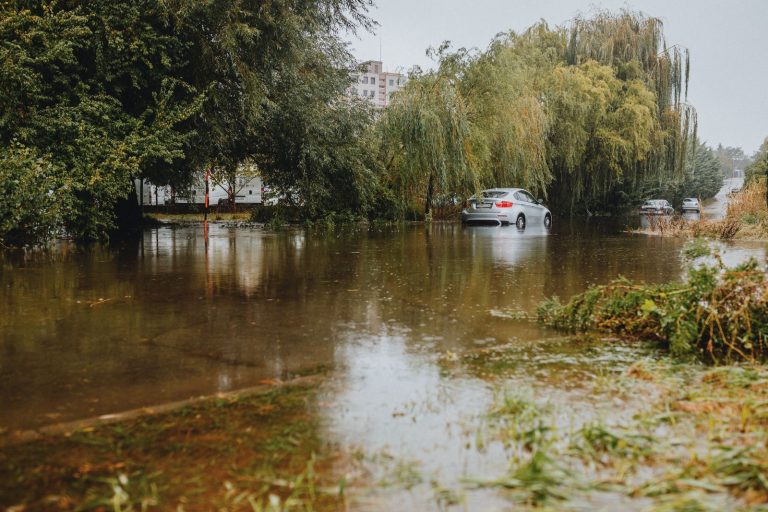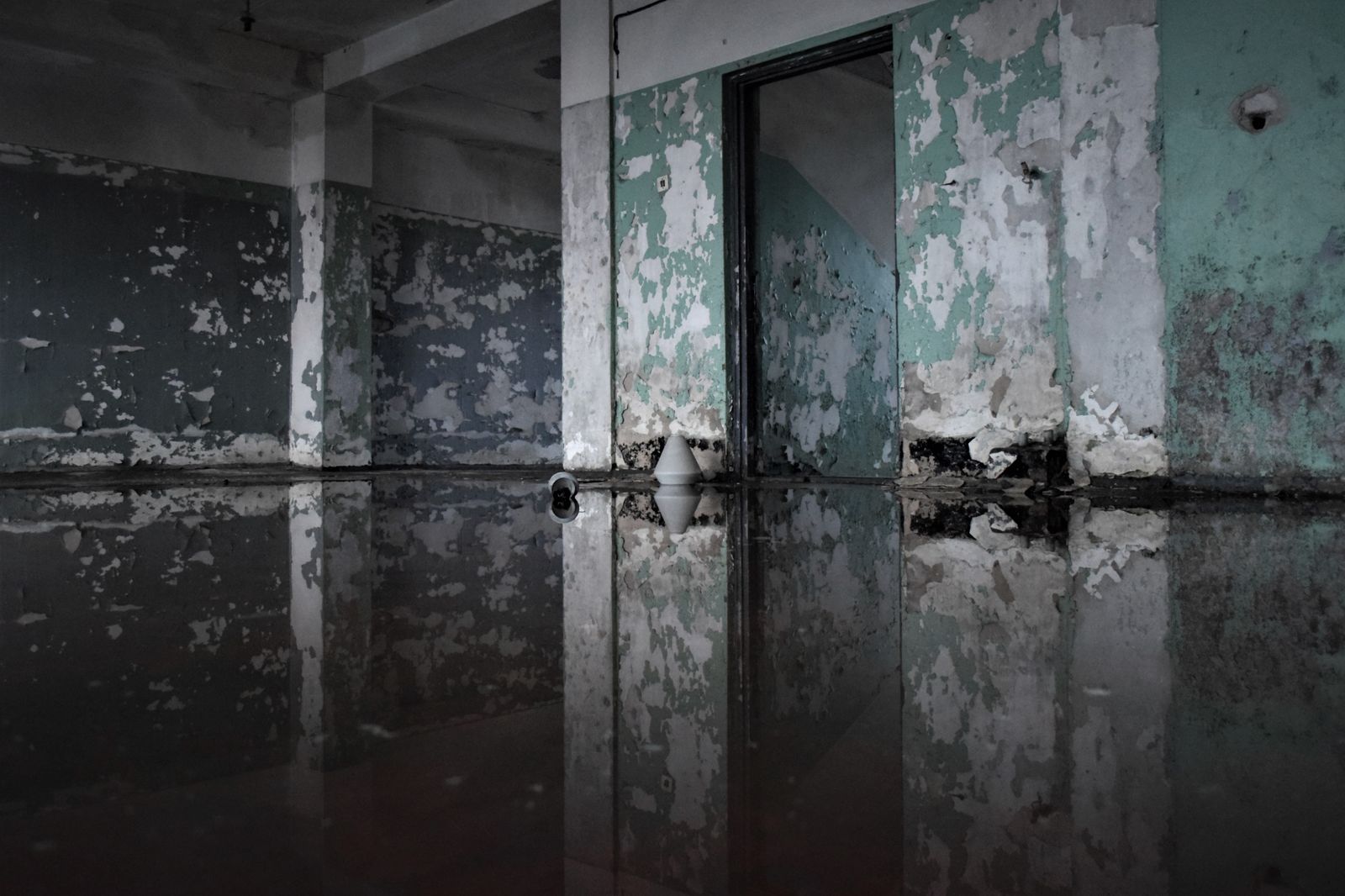
Category 3 water damage, also called black water, is water that is grossly contaminated: sewage, toilet overflows with waste, and rising floodwater from outside. It can carry bacteria, viruses and chemicals, so soaked porous materials such as carpet, underlay and the lower part of plasterboard usually have to be removed rather than dried. Category 1 (clean) and category 2 (grey) water are less hazardous, but they can get worse if they sit. This post explains each category, how to tell which one you have and what it changes about the cleanup.
What are the three categories of water damage?
Restorers and insurers use three categories to describe how contaminated the water is. The category decides how the job is done, what can be saved and what safety gear is needed.
- Category 1, clean water: comes from a clean source, such as a burst supply pipe, a leaking tap or a hot water system. It isn’t a health risk at the start.
- Category 2, grey water: has some contamination. Examples include a washing machine or dishwasher overflow, a leaking shower waste pipe, or a toilet overflow with urine but no faeces.
- Category 3, black water: heavily contaminated. Sewage backflow, toilet overflows containing waste, and floodwater from creeks, rivers, stormwater or overflowing drains.
Water category is different from the “class” of water damage you might see in a report, which describes how much material got wet and how hard it is to dry.
Can clean water turn into black water?
Yes. This is the part most people don’t realise. Water categories aren’t fixed.
Clean water that sits in carpet or a wall cavity for a few days in warm conditions picks up bacteria from the materials around it, and can deteriorate into grey water. Grey water left too long can become category 3. Water that passes through ceilings, insulation or dirty subfloors also picks up contamination on the way.
That’s why fast extraction matters even when the leak was “just” a clean pipe. Our guide to what to do after a burst pipe covers how to stop it getting that far.
How do you know which category you have?
Ask yourself three questions:
- Where did the water come from? A supply pipe or hot water system is usually clean. An appliance or a shower drain is usually grey. A toilet with waste, a sewer drain or water from outside is black.
- How long has it been sitting? More than a day or two, especially in warm weather, raises the risk that it has deteriorated.
- What did it pass through? Ceiling insulation, soil, mud or a subfloor all add contamination.
Signs that suggest category 3 include a sewage smell, visible waste, toilet paper, mud or silt, or water that rose up through floor drains or from the garden.
Good to know: If you’re unsure, treat the water as the worse category until someone has assessed it. It’s much safer than guessing low.
What does category 3 water mean for your carpet, walls and furniture?
This is where the category really matters for your home and your insurance claim.
For category 1 water caught early, carpet and underlay can often be dried in place, and plasterboard can usually be dried without being cut. Our post on whether wet carpet can be saved goes into detail.
For category 3 water, the usual approach is different:
- Carpet underlay is removed and replaced
- Carpet soaked by sewage or floodwater is usually removed, because contamination soaks into the backing
- Plasterboard that was soaked is often cut out above the water line so the wall cavity can be cleaned and dried
- Soft furnishings and mattresses that were soaked are generally not salvageable
- Hard surfaces such as tiles, concrete, metal and sealed timber can usually be cleaned and disinfected
Is black water dangerous to clean up yourself?
It can be. Sewage and floodwater can carry bacteria such as E. coli, viruses and parasites, as well as chemicals and fuel washed in from roads. You can be exposed through cuts, splashes to the eyes and mouth, or by breathing in aerosols when water is disturbed.
People most at risk include young children, older people, anyone pregnant and anyone with a weakened immune system or a respiratory condition. They should stay away from the affected area until it has been cleaned and sanitised.
If you develop a fever, vomiting, diarrhoea, a skin infection or breathing problems after contact, see a GP and mention the exposure. The Better Health Channel has more general information.
Warning: Don’t use a household vacuum, steam mop or carpet shampooer on black water. They can spread contamination and damage the machine.
How do professionals clean up each category?
The process changes with the category.
For clean water, the focus is speed: extract the water, lift and dry carpet if needed, and set up air movers and dehumidifiers. Most drying jobs take around 3 to 5 days.
For grey water, the same drying process applies, with antimicrobial treatment of affected surfaces and closer judgement about what can be kept.
For black water, the job looks more like this:
- Contain the area and use protective equipment.
- Extract the contaminated water and remove silt or waste.
- Remove and bag unsalvageable porous materials, with photos for the insurer.
- Clean and disinfect all remaining surfaces, including wall cavities and subfloor areas where reachable.
- Dry the structure and confirm it with moisture readings.
- Treat remaining odours.
When to call a professional
A small spill of clean water you caught straight away is usually fine to handle yourself with towels, a wet vac and good airflow. Call a professional when:
- The water is or might be category 3: sewage, a toilet with waste, or floodwater from outside
- Grey or clean water has been sitting for more than a day or two
- Carpet, underlay, walls or the subfloor are soaked
- There’s a lingering smell after you’ve cleaned up
Our sewage cleanup service handles category 2 and 3 water across Melbourne, with the protective equipment, extraction gear and sanitising products the job needs. We assess the category on site, explain what can be saved, and give you a written scope and price before major work. If a smell lingers afterwards, we also offer odour removal and sanitising.
Not sure what kind of water you’re dealing with?
If you can’t tell whether the water in your home is clean, grey or black, it’s worth getting someone to look before you start pulling things apart. Call us any time, or use the form below, and we’ll help you work out the safest next step.
Frequently asked questions
Is a toilet overflow category 2 or category 3?
It depends on what was in the bowl. An overflow with only clean water or urine is usually treated as category 2. If there was faeces, or the water came up from a blocked sewer, it’s category 3. Our post on toilet overflow cleanup explains how to handle each.
Does the water category affect my insurance claim?
It can affect the scope of work, because category 3 water usually means more materials are removed and replaced. Whether the damage is covered depends on the cause and your policy, so check your PDS and talk to your insurer. A professional report recording the category helps the assessor understand the job.
Can carpet be saved after sewage?
Carpet soaked by sewage is usually removed, and underlay is always replaced, because the contamination gets into the backing. Some rugs and small items can be professionally cleaned, but it depends on the material and how long they were wet.