To prepare your house for a storm, clear gutters and downpipes, check the roof for loose or cracked tiles and sheets, make sure stormwater drains are flowing, and tie down or store anything that could blow around. Then know where your water main and switchboard are, keep important documents up high, and have VICSES’s number saved. Most storm water damage starts with small things that are cheap to fix before the rain and expensive to fix after it. This post gives you a seasonal checklist, a “storm is coming” checklist and what to do if water gets in anyway.
When is storm season in Melbourne?
Melbourne can get damaging storms at any time of year. Thunderstorms with heavy downpours and hail are more common in the warmer months, while winter brings strong cold fronts and long periods of rain that saturate the ground.
That’s why it makes sense to check your home twice a year, around spring and autumn, rather than waiting for a warning. The Bureau of Meteorology and VICSES issue warnings when severe weather is expected.
What should you check before storm season?
Work through this list on a dry day. Don’t climb on the roof yourself if you’re not confident; use binoculars from the ground or get a roofer.
- Clean gutters and downpipes. Leaves and debris cause overflowing gutters, which push water into eaves, ceilings and wall cavities.
- Check downpipes connect to the stormwater drain and aren’t just emptying beside the house.
- Look for loose, cracked or missing roof tiles, lifted metal sheets, and cracked ridge capping or flashing around chimneys and skylights.
- Check the stormwater pits in your yard and driveway are clear and draining.
- Trim overhanging branches, especially dead ones over the roof or the power line to the house. Never trim near power lines yourself.
- Check window and door seals on the side of the house that faces the weather.
- Make sure soil and mulch sit below subfloor vents and slope away from walls.
- Find your water main, gas meter and switchboard so you can act quickly in an emergency.
- Review your insurance. Check your PDS for what’s covered under storm, flood and escape of liquid. These are often treated differently.
What should you do when a storm is forecast?
When a severe weather warning is issued, there’s usually still time for a few quick jobs:
- Bring in or tie down outdoor furniture, trampolines, bins and pot plants
- Park cars under cover and away from trees
- Move valuables, documents and electronics off the floor, especially in rooms that have leaked before
- Put towels at the base of doors that face the weather
- Charge phones and have a torch ready
- If your area is prone to flooding, plan where you’ll go and how you’ll get there
- Save VICSES (132 500) and your insurer’s claims number in your phone
Good to know: If your street has flooded before, sandbags can help redirect shallow water away from doorways. Check with your local council or VICSES about availability before a storm.
What should you do during the storm?
Stay inside and away from windows. Don’t go up on the roof or ladders in wind or rain, even if you can see a leak.
If water starts coming in:
- Catch drips with buckets and move furniture and rugs out of the way.
- Watch the ceiling. A bulging or sagging patch means water is pooling above. Keep everyone out from under it.
- Turn off power to the affected area at the switchboard if you can reach it from a dry spot and water is near lights or power points.
- Photograph the damage as it happens; it helps your claim.
- Call VICSES on 132 500 for storm help such as a damaged roof or a fallen tree. If anyone’s life is at risk, call 000.
Our post on storm damage and roof leaks explains the make-safe steps in more detail, and our guide to water coming through the ceiling covers what a bulging ceiling means.
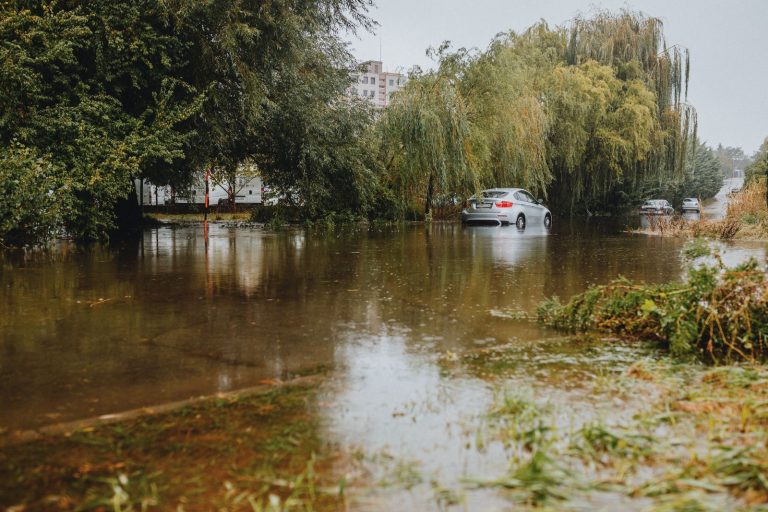
Warning: Never drive, walk or ride through floodwater. It can be deeper and faster than it looks, and it often carries debris and contamination.

What should you do after the storm passes?
Once it’s safe, go around the house and look for damage you might have missed:
- Wet patches or stains on ceilings and upper walls
- Damp carpet, especially along external walls
- Water in the subfloor or garage
- Roof tiles or sheets on the ground
- Blocked or overflowing drains
Call your insurer early, and keep receipts for anything you spend on emergency protection such as tarps. If water got into the floors or walls, the clock starts on drying: mould can begin within 24 to 48 hours in damp conditions.
When to call a professional
Lots of storm preparation is DIY: gutters, garden drainage, moving furniture. Some jobs need a tradie, such as roof repairs, drainage work and anything electrical. Call a professional when:
- The roof, a window or a wall has been damaged and the home is open to the weather
- A ceiling is sagging or has water pooling above it
- Carpet, walls or the subfloor are wet
- Floodwater has come inside
Our make-safe and repairs service secures storm-damaged homes across Melbourne to stop further water getting in, then we move on to drying. If water has already soaked in, we follow up with water extraction and structural drying, with photos, moisture readings and a drying report for your insurer.
Ready for the next downpour?
A little preparation goes a long way, but storms don’t always play fair. If heavy rain has caught your home out, call us any time, day or night, or use the form below and we’ll call you back.
Frequently asked questions
Does home insurance cover storm damage to my roof?
Many policies cover sudden storm damage, but they may exclude damage caused by wear and tear, poor maintenance or gradual leaks. Policies vary a lot, so check your PDS and call your insurer. Keeping your roof and gutters maintained helps avoid disputes.
Who do I call if a tree falls on my house in a storm?
If anyone is hurt or trapped, call 000. For storm help such as a tree on the roof, call VICSES on 132 500. If power lines are down, stay well clear and call your electricity distributor. Then contact your insurer.
How often should gutters be cleaned in Melbourne?
At least once or twice a year is a common rule of thumb, ideally before the wetter months and storm season. Homes surrounded by trees may need it more often. Overflowing gutters are one of the most common causes of water getting into ceilings.