Category: Drying, carpet & floors
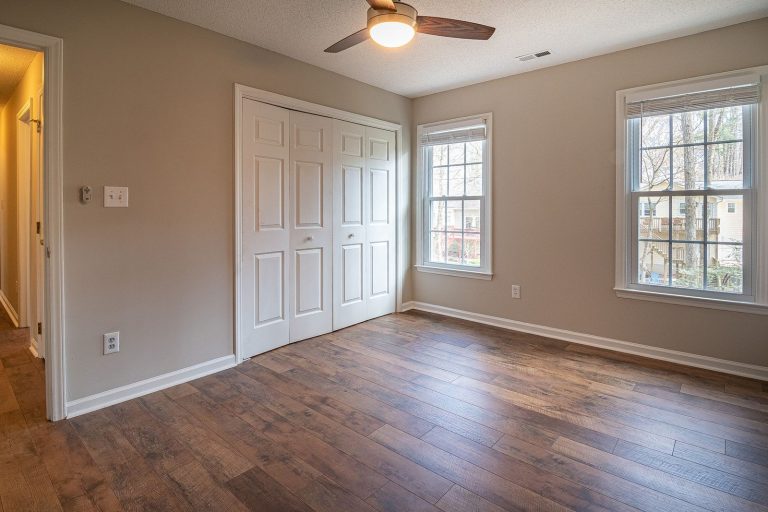
How Long Does It Take to Dry Out a Water-Damaged House?
Most professionally dried homes take around 3 to 5 days, but slabs, timber floors and dirty water can stretch that out. Here's what affects drying time and how you know it's finished.
Read the guide →
Can Wet Carpet Be Saved? When to Dry It and When to Replace It
Wet carpet can often be dried and kept, especially after a clean-water leak caught early. Here's how to tell whether yours can be saved, and when replacement is the safer call.
Read the guide →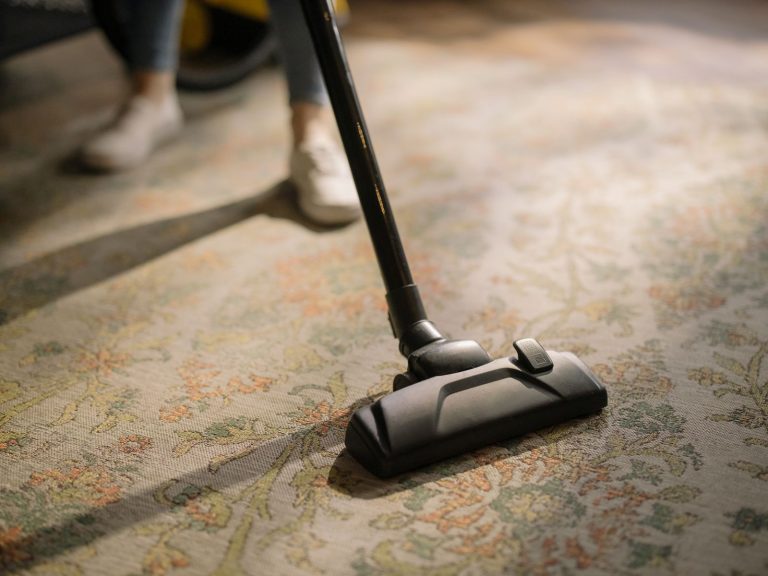
Why Your Carpet Still Smells After Getting Wet (and How to Fix It)
A musty or sour smell from carpet after a leak usually means something underneath is still damp. Here's what causes it, what you can try, and when it needs professional treatment.
Read the guide →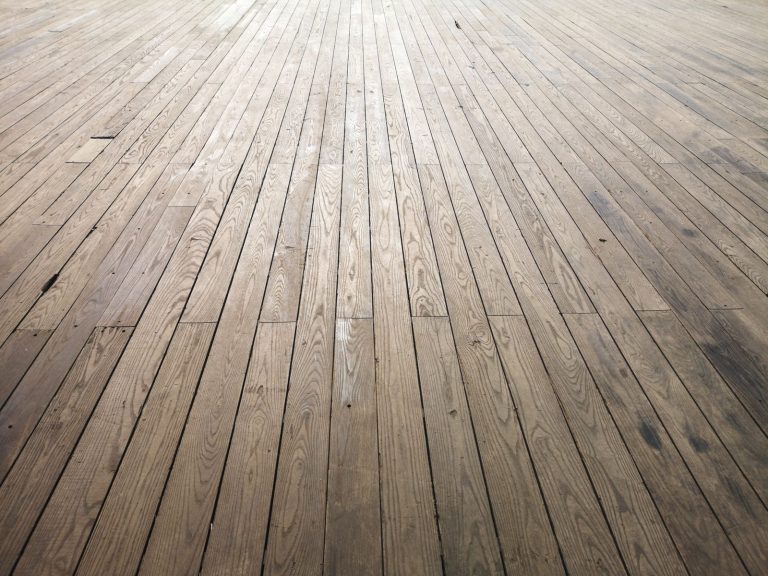
Water-Damaged Timber Floors: Cupping, Crowning and Saving Them
Cupped or lifting floorboards after a leak don't always mean replacement. Here's what cupping and crowning mean, how timber floors are dried, and when they can be saved.
Read the guide →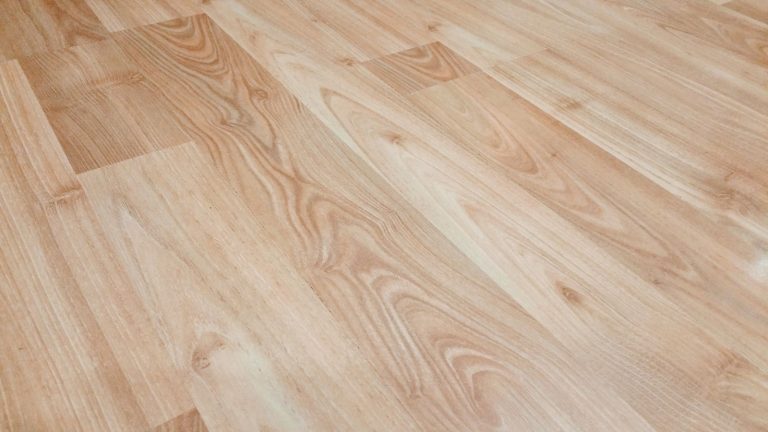
Water Under Laminate or Hybrid Flooring: Signs and What to Do
Water can spread a long way under laminate and hybrid floors without showing on top. Here's how to spot it, what to do first, and when the boards need lifting to dry…
Read the guide →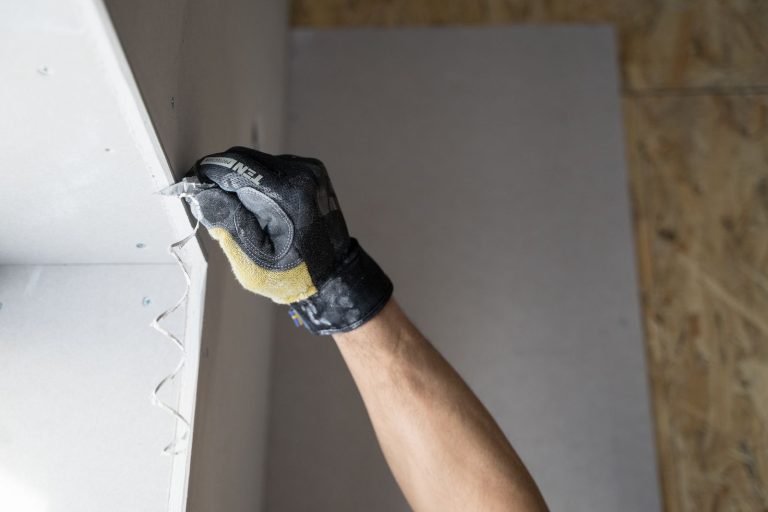
Wet Walls After a Leak: Can Plasterboard Be Dried or Must It Be Replaced?
Wet plasterboard isn't automatically a write-off. Here's how to tell whether your walls can be dried in place or need to be cut out and replaced.
Read the guide →
Hiring a Dehumidifier vs Professional Structural Drying: Which Do You Need?
A hired dehumidifier can handle a small, recent spill. Bigger or older leaks need measured drying. Here's how to tell which side of the line you're on.
Read the guide →